Inside Haradhah Damt Volcanic Crater: Place Where Yemeni Daredevil Known as 'Spider-Man' Dies After Fall
Haradhah Damt Volcanic Crater, which drew thrill-seekers, ultimately became the final climb for Yemeni's daredevil climber known as 'Spider-Man.'
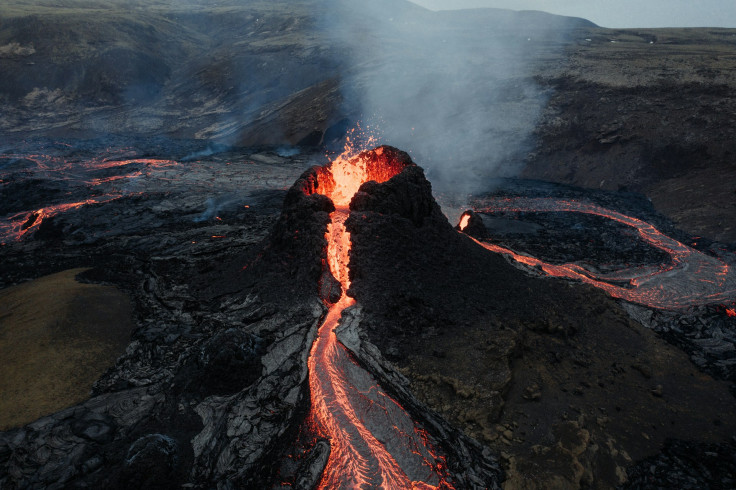
A Yemeni climber widely known online as the 'Spider-Man of Yemen,' identified as 30-year-old Al Qa'qa' bin Antar, died after falling into the Haradhah Damt volcanic crater in Al Dhale province on Friday.
His death occurred during a rope-free ascent attempt of the crater's steep walls, a location estimated to be around 120 metres deep, where rescue teams later recovered his body following a near 24-hour operation, per Gulf News.
The incident has brought attention to the Haradhah Damt volcanic crater, a remote and dangerous natural site known for its steep cliffs and unstable rock, which has recently attracted thrill-seekers and social media climbers.
The Final Climb Attempt
Bin Antar, also known locally as Antar Al Absi, was not a professional mountaineer in the formal sense, but rather part of a growing online community of self-taught climbers in Yemen who document high-risk ascents on social media.
His videos often showed him scaling near-vertical rock faces and descending into volcanic structures without ropes or harnesses, earning him both admiration and concern from viewers.
طارد القمم الشاهقة، وتسلق الجبال، واقترب من فوهات البراكين بحثاً عن المغامرة.
— مأرب الورد (@mareb_alward) June 12, 2026
لكن مغامرته الأخيرة انتهت بسقوطه داخل فوهة بركان دمت. https://t.co/hL7Dj466rM
According to officials and local reports, the fall occurred during one such climb inside the Haradhah Damt volcanic crater. Rescue teams described the recovery effort as complex, with steep access routes and unstable ground slowing progress. Specialist units worked for nearly 24 hours before his body was retrieved from within the crater.
بحسب أحد المصورين الذين شاهدوا جثمان القعقاع بن عنتر عقب انتشاله من عمق 31 متراً، فقد بدت آثار إصابة في منطقة الرأس، كما شوهدت آثار دماء على الوجه وخروج دم من الأذن، فيما لم تظهر على الجثمان علامات الانتفاخ رغم بقائه في الأعماق. https://t.co/AyeJHswXKI pic.twitter.com/T5K94Yci0r
— مأرب الورد (@mareb_alward) June 13, 2026
Authorities have not released a detailed technical breakdown of the actual cause of his death. But according to posts, 'there appeared to be traces of an injury in the head area, with bloodstains observed on the face and blood coming from the ear, while the body showed no signs of bloating despite having remained in the depths.'
The Haradhah Damt Volcanic Crater
Haradhah Damt volcanic crater lies in Yemen's Al Dhale governorate, a mountainous region shaped by ancient volcanic activity and tectonic movement along the Arabian Peninsula's rift systems. The crater is believed to be part of a volcanic field near the town of Damt, an area known for hot springs, basalt formations, and deep geological fissures.
Unlike more formally recognised hiking or climbing destinations, the crater is not developed for tourism. There are no safety railings, marked trails, or managed viewing platforms. Its appeal comes almost entirely from its raw, exposed geology. Steep basalt walls drop sharply into the crater interior, with loose rock and uneven surfaces making ascent and descent unpredictable.
Geologists note that volcanic craters in this region were formed through explosive eruptions and collapse events over thousands of years, leaving behind hollowed-out chambers and brittle rock structures. In practical terms, that means sections of the crater walls can be unstable, especially under weight or vibration, increasing the risk of sudden rock failure.
Attracting Reckless Adventurers
Local accounts suggest the site has become a magnet for adventurous climbers and content creators in recent years, partly due to the rise of social media exposure.
However, the lack of formal oversight or rescue infrastructure makes accidents particularly dangerous, as emergency response times can be slowed by geography and limited access routes.
In bin Antar's case, Civil Defence teams had to deploy specialised equipment and lighting systems to reach the crater floor. The operation reportedly required navigating narrow paths and steep inclines before recovery could be completed. His death has made people look more closely at the growing trend of risky, unofficial climbing in the area, where people often chase social media fame without fully thinking about safety.
Places like the Haradhah Damt volcanic crater may look impressive, but they are extremely dangerous and do not forgive mistakes.
© Copyright IBTimes 2026. All rights reserved.
- Recommended For You