

How Did Saudi Prince Abdullah Al Saud Die? What We Know About His Cause of Death
A young prince who had seemingly done everything asked of him in treatment still could not outrun the one reckless night that cost him his life.
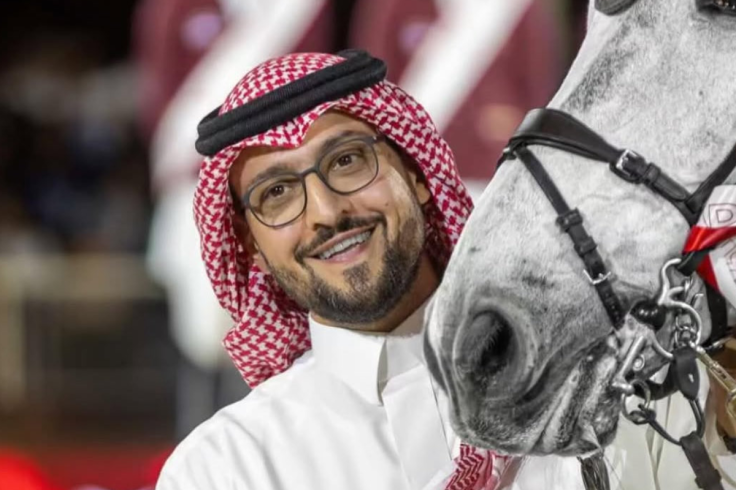
Prince Abdullah Al Saud died in a £600‑a‑night London hotel after consuming alcohol alongside several drugs, resulting in cardiac arrest, a UK coroner has ruled. The 29‑year‑old royal was found unresponsive in the bathroom of his room at the Marriott Hotel in Kensington on 25 November last year, Westminster Coroner's Court heard on Thursday.
The inquest was told that Prince Abdullah Al Saud, whose full name is Abdullah bin Fahad bin Abdullah bin Abdulaziz bin Jalawi Al Saud, had previously received treatment for substance misuse and had spent time in two high-end rehabilitation clinics in the months before his death. Despite apparently successful detox programmes in both London and Merseyside, he was alone in his hotel room when he drank heavily and took several substances, with no clear sign that he intended to end his life.
How Prince Abdullah Al Saud Was Found in His London Hotel
The court heard that a hotel maid discovered the prince in his bathroom at the Kensington Marriott. Emergency services were called, but paramedics were unable to revive him and he was pronounced dead at the scene.
Toxicology tests later revealed his blood alcohol concentration was 0.222 per cent nearly three times the UK legal drink‑drive limit of 0.08 per cent. In addition to the heavy drinking, there were traces of gamma‑hydroxybutyrate, or GHB, sometimes used as a party or 'club' drug, and the prescription anti‑anxiety medication Xanax in his system.
Alcohol, GHB and benzodiazepines can significantly increase the risk of respiratory and cardiac complications when taken together.
A post‑mortem examination concluded that Prince Abdullah Al Saud died from cardiac arrest. Pathologists reported no acute or chronic illnesses that might otherwise explain his sudden collapse. The post-mortem found no acute or chronic illness that explained the death, leading the coroner to conclude that the substances had caused the fatal cardiac arrest.
British authorities told the inquest they did not believe he intended to kill himself. There was no suicide note, no clear sign of planning and nothing in the CCTV footage from the hotel to suggest he was preparing for self-harm. The last images of him alive showed the prince stepping outside the hotel to smoke a cigarette, then returning to his room.
Prince Abdullah Al Saud's Recent Battle With Addiction
Prince Abdullah Al Saud had undergone structured treatment for substance misuse and mental health issues. The inquest was told that just three months before his death, Prince Abdullah Al Saud had been admitted to the Priory Clinic in Roehampton, one of Britain's best-known private mental health hospitals.
In a statement read to the court, consultant psychiatrist Dr Victoria Chamorro said the prince had 'engaged well' with his detox programme at the Priory, which covered alcohol, benzodiazepines and the drug pregabalin, another medication used to treat anxiety and nerve pain.
'He was supportive and kind to his peers, making friends,' Dr Chamorro said, according to The Telegraph. She described him as having symptoms of low mood and anxiety on admission, but said he completed his treatment without physical complications.
When he was discharged, she said, he was not considered to be at risk of suicide and left the clinic with a friend. Follow‑up care had been arranged through online Zoom appointments, but he failed to attend them. Even so, Dr Chamorro told the inquest there had been 'no concern for him' at the time of discharge, emphasising again that he had completed the programme as planned.
After leaving the Priory, Prince Abdullah Al Saud travelled to Merseyside for a further stay at Rainford Hall clinic in St Helens. He left that facility on 14 October, a little over six weeks before he was found dead in London. Staff there also believed he had recovered sufficiently to be discharged.
The inquest did not hear evidence pointing to any particular trigger between his release from Rainford Hall and his final stay at the Kensington Marriott. The period between his discharge and death was approximately six weeks.
Saudi Royal Court Confirms Death of Prince Abdullah Al Saud
Back in Riyadh, the Saudi Royal Court confirmed the prince's death in a formal statement, saying he had 'passed to the mercy of God Almighty... outside the Kingdom.' It added that funeral prayers for Prince Abdullah Al Saud would be held after the Asr prayer at the Imam Turki bin Abdullah Mosque in the capital.
'May Allah bless him with His mercy, forgiveness and acceptance, and grant him a spacious abode in His Paradise, for we belong to Allah and to Him we shall return,' the Royal Court said.

The coroner concluded that Prince Abdullah Al Saud died after consuming alcohol together with GHB and Xanax, with no evidence that he intended to take his own life.
The inquest heard evidence from medical professionals, toxicology experts and investigators. No evidence of foul play was presented, and the Saudi Royal Court has since confirmed the prince's death.
© Copyright IBTimes 2026. All rights reserved.