Blue Origin Rocket Explosion Marks 'Worst Failure' in Company History
Blue Origin has not indicated when New Glenn could return to flight after the explosion at Cape Canaveral
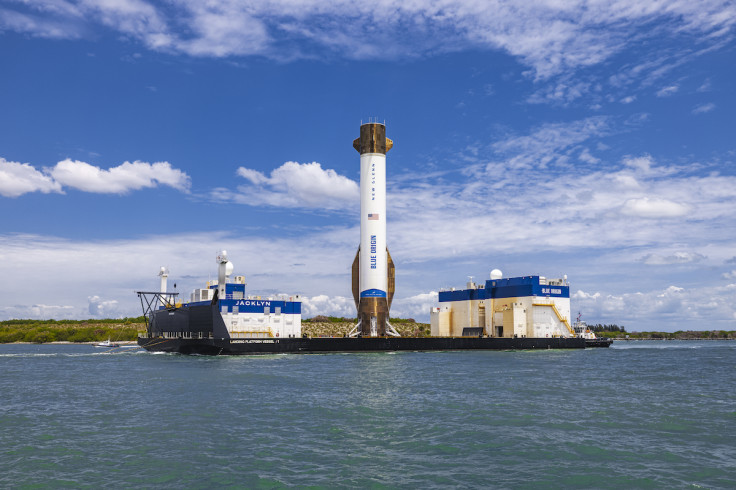
Blue Origin's New Glenn rocket exploded during a static fire test at Cape Canaveral Space Force Station in Florida on 28 May, destroying the launch vehicle and prompting an investigation into what TechCrunch described as the 'worst failure' in the company's history.
The explosion occurred during preparations for what would have been the rocket's fourth flight. According to TechCrunch and Ars Technica, New Glenn was undergoing a routine pre-launch engine test when a failure occurred shortly after ignition, producing a large explosion at Launch Complex 36.
Blue Origin confirmed that all personnel were accounted for and no injuries were reported. Founder Jeff Bezos later said it was too early to determine the cause of the incident but pledged that the company would rebuild damaged infrastructure and resume operations.
Here's our video of the explosion at Launch Complex 36. It happened about 9 pm ET (0100 UTC) as Blue Origin was beginning a static fire test of its New Glenn rocket.
— Spaceflight Now (@SpaceflightNow) May 29, 2026
Watch live views: https://t.co/tm2wZQmAVD pic.twitter.com/PmbgQC6Qmq
All personnel are accounted for and safe. It’s too early to know the root cause but we’re already working to find it. Very rough day, but we’ll rebuild whatever needs rebuilding and get back to flying. It’s worth it.
— Jeff Bezos (@JeffBezos) May 29, 2026
Launch Test Ends in Explosion
The rocket involved was a new New Glenn first-stage booster powered by seven BE-4 engines. The vehicle was being prepared for a mission expected to launch Amazon's Project Kuiper internet satellites in the coming weeks.
Because static fire tests are typically conducted with a fully fuelled rocket, the resulting explosion caused extensive damage to the vehicle and surrounding launch infrastructure. The exact extent of the damage has not yet been officially confirmed.
In a statement following the incident, Blue Origin described the event as an 'anomaly' and said teams were already working to identify the root cause. The Federal Aviation Administration said it was aware of the explosion and confirmed there was no impact on air traffic. A formal investigation is expected before New Glenn can return to flight operations.
We experienced an anomaly during today's hotfire test. All personnel have been accounted for. We will provide updates as we learn more.
— Blue Origin (@blueorigin) May 29, 2026
NASA is aware of the anomaly that occurred tonight at Launch Complex 36 involving Blue Origin’s New Glenn rocket at Cape Canaveral Space Force Station. ⁰⁰Spaceflight is unforgiving, and developing new heavy-lift launch capability is extraordinarily difficult. We will work with…
— NASA Administrator Jared Isaacman (@NASAAdmin) May 29, 2026
The setback comes only weeks after Blue Origin completed an investigation into a separate upper-stage failure that affected the rocket's third mission in April.
Impact on Future Missions
The loss of the vehicle is likely to delay Blue Origin's plans to increase the frequency of New Glenn launches during 2026. The rocket is a central part of the company's strategy to compete in the commercial heavy-lift launch market, where it has been seeking to challenge SpaceX after spending more than a decade developing the programme, according to Bloomberg.
The upcoming mission was expected to be the first of multiple contracted launches supporting Amazon's satellite internet network. Amazon later confirmed that no operational satellites were onboard during the test.
I’ve already spoken with @NASAAdmin Jared Isaacman regarding the explosion of Blue Origin’s New Glenn rocket tonight at Cape Canaveral’s Space Force Station. I am grateful there were no reported injuries and thankful for the first responders, engineers, and launch crews who acted… https://t.co/m0IAerHZan
— Congressman Mike Haridopolos (@RepHaridopolos) May 29, 2026
The incident may also have implications for future government and scientific missions assigned to New Glenn. NASA recently selected the rocket for upcoming lunar delivery missions and has identified Blue Origin as an important partner in future Artemis programme activities.
NASA Administrator Jared Isaacman said the agency would support a thorough investigation and assess any impacts on planned missions as more information becomes available.
Recovery Effort Begins
Before the explosion, New Glenn had completed three flights and successfully demonstrated key capabilities, including recovery and reuse of its first-stage booster. The programme had become a key part of Blue Origin's efforts to expand its role in commercial, scientific and national security launches.
While the cause of the failure remains under investigation, Blue Origin has not indicated when New Glenn could return to flight.
The company's immediate priority is determining what caused the explosion and assessing the extent of any damage to its launch infrastructure.
© Copyright IBTimes 2026. All rights reserved.
- Recommended For You