

Bat Rabies Death Horror: Boy, 11, Dies After Waking With Bat Covering His Mouth and His Family Made One Tragic Mistake
Experts warn any direct contact with a bat should be treated as high risk
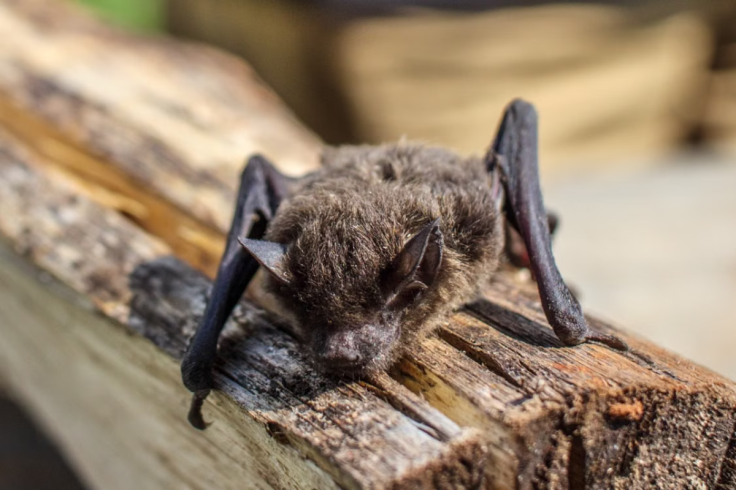
An 11-year-old Canadian boy died from rabies after waking to find a bat covering his nose and mouth while staying at a family cottage in northern Ontario, in a heartbreaking case that has prompted fresh warnings from health experts about the dangers of any direct contact with bats.
Because the child had no visible bite marks and the bat did not appear to be behaving unusually, his family did not seek immediate medical attention. Weeks later, he developed neurological symptoms that rapidly worsened before doctors confirmed he had contracted rabies.
The case, detailed in the Canadian Medical Association Journal, highlights how a seemingly harmless encounter can result in a fatal rabies infection if post-exposure treatment is not given before symptoms begin.
Bat Encounter Led to Fatal Bat Rabies Death
According to the medical report, the incident occurred during a visit to a cottage in northern Ontario in 2024. The boy awoke after feeling a bat on his face, with the animal covering his nose and mouth. Startled, he knocked the bat away, while his father caught it in a cooking pot before releasing it outside.
Because the child had no obvious bite or scratch, and the bat did not appear sick or aggressive, his parents believed there was little risk of infection and did not seek medical advice.
Nineteen days later, the boy began experiencing tingling and numbness on the right side of his face. He also developed facial swelling and lost his appetite. Over the following days, his symptoms continued to worsen, signalling the early stages of a disease that is almost always fatal once clinical symptoms appear.
Doctors Initially Suspected Another Illness
Four days after his symptoms began, the child attended an urgent care clinic, where he was prescribed antiviral medication after doctors suspected Bell's palsy caused by the herpes virus.
Three days later, he was taken to an Ontario hospital emergency department after developing painful swallowing and vomiting. Medical staff also found ulcers on his gums and mild impairment of the nerve responsible for facial sensation and chewing.
Although the family informed doctors about the earlier bat encounter and public health officials were notified, the child was discharged with a presumed diagnosis of herpes gingivostomatitis.
He returned to hospital the following morning with weakness on the right side of his face, reduced sensation and slurred speech.
While awaiting admission, his condition rapidly deteriorated. He developed a fever, difficulty swallowing, confusion and visual hallucinations before being transferred to the paediatric intensive care unit and placed on a ventilator.
Doctors wrote: 'When we saw the patient in the PICU, we strongly suspected rabies.'
A PCR test confirmed rabies on the fourth day of his hospital admission, while the Canadian Food Inspection Agency identified a bat rabies virus variant. The boy died on his 17th day in hospital.
Experts Warning
The tragic case has reinforced public health guidance that any direct contact with a bat should be treated as a potential rabies exposure, even if no bite is visible.
Rabies attacks the central nervous system and is almost always fatal once symptoms develop. The virus is commonly spread through the bite or scratch of an infected animal, but it can also be transmitted if infected saliva enters the eyes, nose, mouth or an open wound. Because bat bites can be extremely small, they may go unnoticed.
The report noted that this was the first locally acquired human rabies case recorded in Ontario since 1967. Although human rabies remains rare in Canada, bats are now the leading source of human rabies infections in the Americas following the widespread control of dog-transmitted rabies.
The doctors stressed: 'Bats may or may not show classic signs of rabies; hence, any direct human contact with bat is considered high risk.'
Health authorities advise anyone who has direct contact with a bat to seek immediate medical assessment. Prompt post-exposure prophylaxis, which includes rabies vaccination and rabies immune globulin before symptoms develop, can prevent infection. Once symptoms begin, however, there is no established effective treatment, and the disease is almost always fatal.
© Copyright IBTimes 2026. All rights reserved.