

10 Photos of Mackenzie Shirilla After Bodycam Video Captures Father Calling Her a 'Dumb 18-Year-Old'
Newly released police video reveals the emotional confrontation between Mackenzie Shirilla's father and officers

Fresh bodycam footage has thrust the Mackenzie Shirilla case back into the spotlight, revealing a tense exchange between her father and police officers in the aftermath of the crash that claimed the lives of two young men.
The newly released video offers a rare glimpse into the chaotic hours following Shirilla's arrest, capturing her father's desperate attempts to prevent officers from questioning his daughter. The footage has reignited public interest in one of Ohio's most controversial murder cases, particularly as renewed attention surrounds Netflix's true crime documentary, 'The Crash'.
Father Confronts Officers After Arrest
The newly released bodycam video centres on a heated conversation between Steven Shirilla and police officers shortly after his daughter was taken into custody.
In the footage, Steven repeatedly insists that officers should not speak with Mackenzie without legal representation present. He can be heard telling officers that a lawyer had instructed police not to question her.
'I need to speak to my daughter,' he says in the recording. 'You guys aren't allowed to speak with her at all.'
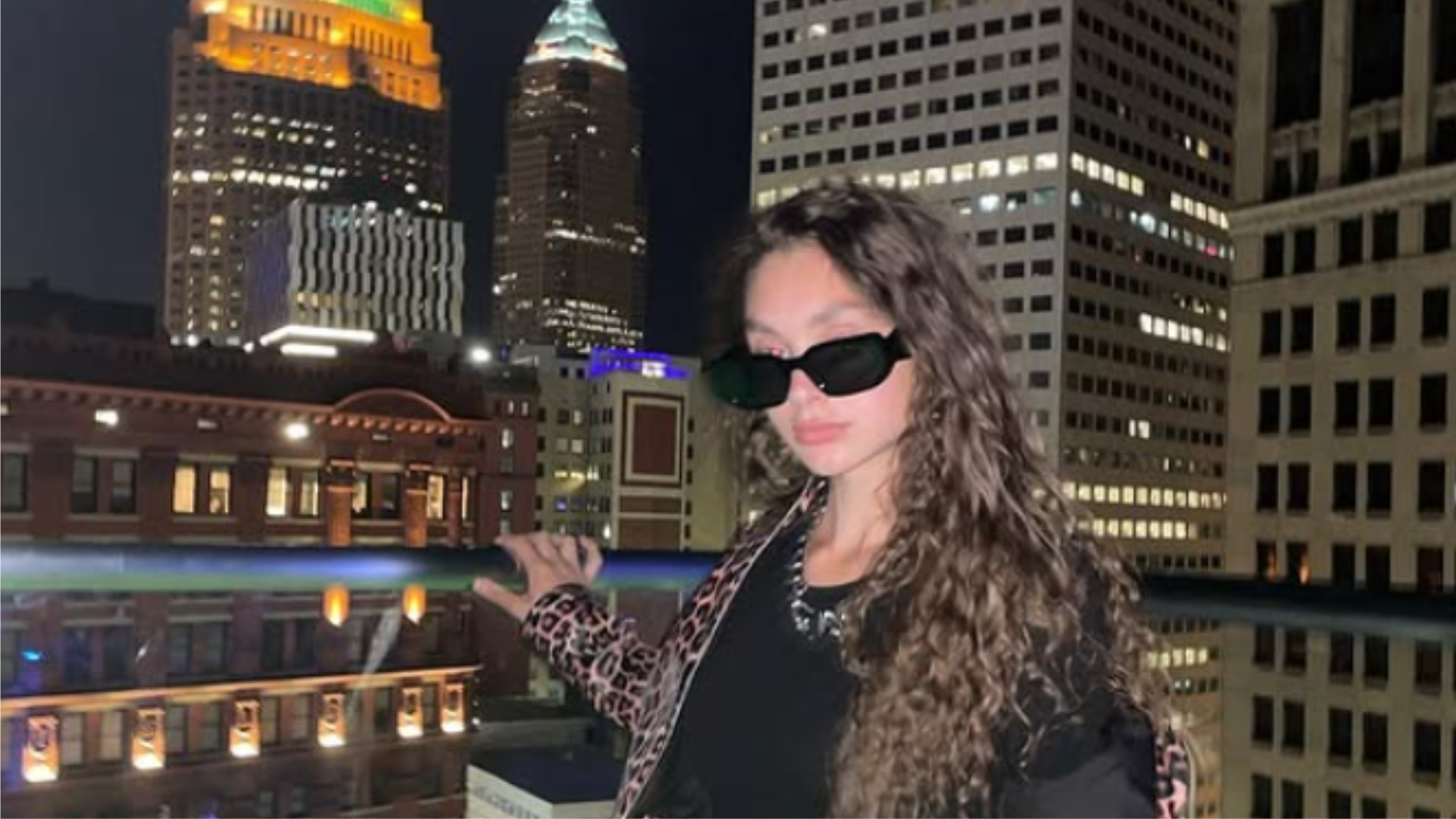








The exchange quickly became more emotional when officers pointed out that Mackenzie was legally an adult and could make her own decisions. Steven responded with a remark that has since attracted widespread attention.
'Yeah, but she's a dumb 18-year-old that just turned 18,' he told officers.
The comments have sparked debate online, with many viewers interpreting them as a father's attempt to protect his daughter during an overwhelming and traumatic situation.
The Crash
The footage arrives nearly four years after the devastating crash that transformed Mackenzie Shirilla's life forever.
On 31 July 2022, police responded to reports of a serious collision in Strongsville, Ohio. Investigators found that a Toyota Camry had crashed into a brick commercial building on Alameda Drive.
Shirilla, who was 17 at the time, survived and was airlifted to hospital. Her boyfriend, 20-year-old Dominic Russo, and their friend, 19-year-old Davion Flanagan, died from injuries sustained in the crash.
According to court records, investigators relied heavily on vehicle data and location tracking information. Prosecutors alleged that the vehicle was travelling approximately 90 mph (144 km/h) in a 35 mph (56 km/h) zone shortly before impact.
Authorities also stated that the accelerator was fully engaged in the moments leading up to the collision and that there was no evidence of braking.
Those findings became central to the prosecution's argument that the crash was intentional rather than accidental.
Why Prosecutors Called It Murder
The case eventually became known across the United States due to its unusual and deeply disturbing circumstances. During trial proceedings, prosecutors argued that Shirilla deliberately drove the vehicle into the building. They claimed the evidence pointed to a calculated act rather than reckless driving.
Judge Nancy Margaret Russo ultimately agreed with that assessment when she found Shirilla guilty. 'This was not reckless driving. This was murder,' the judge said during sentencing.
Shirilla was convicted on multiple murder-related charges and received two concurrent prison sentences of 15 years to life. She is currently serving her sentence and is expected to become eligible for parole consideration in 2037.
Despite the conviction, Shirilla has consistently maintained that the crash was not intentional. The case earned the nickname 'Hell on Wheels' and continues to divide public opinion, with supporters and critics remaining sharply split over the evidence and verdict.
Relationship Texts Add New Questions
Interest in the case has grown even further following the release of previously unseen text messages between Shirilla and Russo. Representatives managing Shirilla's social media accounts recently shared digital correspondence that they say provides additional context about the couple's troubled relationship.
The messages reveal frequent arguments, emotional confrontations and repeated attempts to end the relationship. In one exchange, Russo described Shirilla as a 'violent, evil person until proven otherwise' and expressed frustration with her family.
Other messages showed escalating tensions between the pair, including emotional statements from Shirilla and discussions that reflected significant strain within the relationship.
Investigators reportedly reviewed tens of thousands of text messages and phone calls during their inquiry. Portions of that material were later examined by filmmakers behind Netflix's 'The Crash', which has introduced the case to a wider audience.
The renewed attention generated by both the documentary and the newly released bodycam footage has once again placed Mackenzie Shirilla at the centre of a case that continues to provoke strong reactions.
© Copyright IBTimes 2026. All rights reserved.