

Israel Reportedly Preparing to Move Palestinians Into 'Fenced Shelters' Guarded by Foreign Force Within Weeks
Israel's plan to establish fenced humanitarian zones in Gaza raises concerns among humanitarian groups and analysts
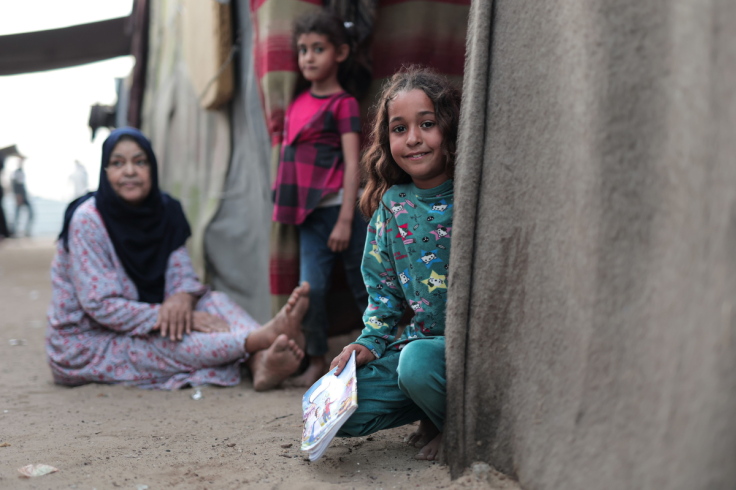
A reported Israeli plan to move Palestinian civilians into fenced humanitarian zones in southern Gaza within weeks has triggered alarm among humanitarian groups, analysts and critics, with some describing the proposal as a dramatic escalation in Israel's strategy for the war-torn territory.
Israel's Planned Humanitarian Zone in Tel al Sultan Near Rafah
According to reports published by Israeli newspaper Israel Hayom, Israeli authorities are preparing to establish a system of controlled humanitarian zones that would initially be located in the Tel al Sultan area near Rafah in southern Gaza.
Under the reported proposal, unarmed Palestinian civilians would be directed into designated fenced areas outside Hamas control. These zones would reportedly be secured by a multinational force known as the the International Stabilisation Force, or ISF, operating under a US-supported initiative called the 'Board of Peace'.
The reported plan suggests that the first operational zone could begin functioning within weeks. Infrastructure work has already begun, including the construction of facilities for foreign personnel and logistical support centres.
Officials cited in the reports said the designated zones would receive humanitarian aid, temporary housing units and caravans for displaced civilians. However, reports also indicated that construction materials needed for permanent rebuilding efforts, including concrete, would not initially be permitted into these areas.
Fenced Shelters and Civilian Movement
Critics have pointed to reports describing the proposed humanitarian zones as heavily monitored environments featuring checkpoints, controlled access and extensive surveillance measures. Some commentators have compared the concept to historical systems of forced civilian concentration, although such characterisations remain contested and politically charged.
The concerns have been amplified by previous reporting from investigative outlet Drop Site News, which described leaked planning documents outlining what it characterised as a heavily surveilled and tightly controlled civilian settlement system in southern Gaza.
Humanitarian organisations have repeatedly stressed that any relocation of civilian populations during armed conflict must comply with international humanitarian law and ensure that civilians retain access to basic rights, services and freedom of movement.
Others have questioned whether the establishment of controlled humanitarian zones could evolve into a longer-term strategy for managing Gaza's civilian population rather than serving as a temporary wartime measure.
🚨 Israeli Plan to Herd Palestinians Into Controlled “Shelters” to Begin “Within A Matter of Weeks”
— Drop Site (@DropSiteNews) July 1, 2026
🔸Israel is preparing to channel Palestinians into fenced “humanitarian shelters” in areas outside Hamas’s control, policed by a foreign force, while its military deepens its… https://t.co/rUv8HREx1F
Israel's Strategy to Separate Gaza's Population From Hamas
According to Israel Hayom, Israeli officials view the proposed humanitarian zones as part of a broader military strategy aimed at weakening Hamas' operational capabilities.
The newspaper described the strategy as a 'pincer movement', whereby Israeli military forces would continue expanding operational control over additional areas of Gaza while simultaneously relocating civilian populations into designated humanitarian sectors.
Under this approach, Israeli officials reportedly hope that Hamas would become increasingly isolated from the civilian population and lose access to resources, territorial control and logistical support networks.
An unnamed political source quoted by the newspaper reportedly stated that Israeli military operations would continue while remaining below levels that could trigger significant international backlash.
The proposal comes nearly 1,000 days after the Hamas-led attack on Israel on 7 October 2023, which killed approximately 1,200 people and resulted in the taking of hundreds of hostages. Since then, according to Gaza health authorities, tens of thousands of Palestinians have been killed during Israel's military campaign in the territory.
Although a ceasefire agreement took effect in October 2025, military operations and deadly incidents have continued to occur across parts of Gaza.
No official public blueprint detailing the full scope of the proposed programme has yet been released by Israeli authorities or the US government.
© Copyright IBTimes 2026. All rights reserved.