Court Rejects Bondi Shooter's Plea to Keep Family's Identity Anonymous Amid Mass Shooting Trial
A legal battle over identity puts public interest against private grief.
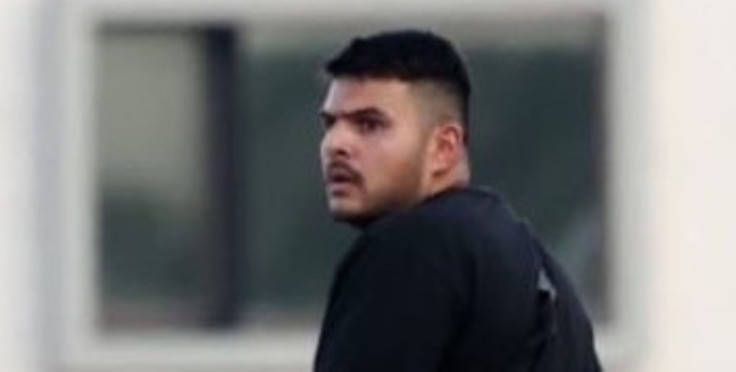
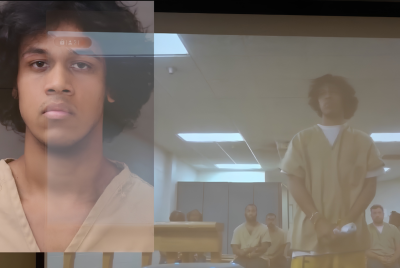
A court has refused a bid to shield the family of Naveed Akram, the man accused in the Bondi mass shooting, intensifying the focus on a case that has already shaken Australia. The decision means the identities of his relatives can now be reported as legal proceedings move forward.
The ruling comes as the trial begins to explore not just what happened, but who is affected beyond the victims. For the defence, the request was framed as an attempt to protect innocent family members from public backlash.
The court, however, took a different view. It held that open justice must come first, even when the impact and consequences reaches far beyond the accused.
The Ruling that Set the Tone
The Downing Centre local court rejected an application for a 40 year suppression order that would have kept the identities of the accused Bondi attacker Naveed Akram's family private. Judge Hugh Donnelly said there was not enough evidence to justify restricting public access to details such as the names, addresses and workplaces of his mother, brother and sister, despite concerns raised about safety and security.
According to The Guardian, the court stressed that transparency sits at the core of the legal system. It found that the potential distress to family members did not outweigh the importance of open reporting.
That decision sets a clear tone for what follows. The trial will play out in full public view, without extra layers of protection for those connected to the accused.
Who is the Accused?
The man at the centre of the case is 24 year old Naveed Akram. He faces serious charges tied to the Bondi Beach mass shooting, an incident that sent shockwaves through Sydney and beyond.
Authorities allege the attack took place during a Jewish Hanukkah celebration in Sydney, Australia in December and was both deliberate and targeted, though the full details is still being investigated in court. As reported by BBC News, the case is under intense scrutiny because of its scale and impact.
Akram's legal team argued that naming his family could expose them to harassment or harm. They said the relatives had already faced abuse and could become targets for vigilantes. They also stressed that the family had no involvement in the alleged crime.
Akram himself faces 59 charges, including 15 counts of murder and one count of committing a terrorist act, after Australian authorities said the incident was inspired by the Islamic State.
A Tragedy that Shook a Community
The Bondi shooting left several people dead and others injured, turning a busy public setting into a place of fear and confusion. Emergency services responded quickly, but the damage had already been done.
The aftermath brought widespread grief and anger across the country. Communities held vigils, and officials urged calm and unity in the days that followed.
As reported by Sky News, the attack has also reignited debate about public safety and how violent incidents are handled in urban areas. It stands as one of the most disturbing events in recent memory for the region.
Privacy Versus Public Interest
The court's decision has prompted mixed reactions. Some believe families of accused individuals should be shielded from exposure, especially when they have no link to the crime.
Others argue that transparency matters more. They say limiting information risks undermining trust in the legal process.
That tension runs through the case. It raises difficult questions about where compassion ends and accountability begins.
The Emotional Impact Beyond the Courtroom
Even though the trial focuses on evidence and legal arguments, the emotional toll continues to spread outward. Families of the victims are seeking justice, while the accused man's relatives now face intense public attention they did not ask for.
The refusal to grant anonymity means their lives could change overnight. They could also face public scrutiny and judgement, and even hostility may follow.
At the same time, the court's position reflects a broader principle. Justice must be seen as well as carried out, even when it brings discomfort.
A Case Still Unfolding
The Bondi shooting trial is far from over. More details are expected to emerge as proceedings continue, shedding light on the events that led to the attack.
For now, the ruling has added another layer to an already complicated case. It shifts attention not only to the accused, but also to those around him.
In a trial shaped by tragedy, the question of who carries the weight of public exposure may prove just as challenging as the question of guilt.
© Copyright IBTimes 2025. All rights reserved.
- Recommended For You