

Former Prosecutor Warns Supreme Court Will Face New Democratic House Check After Shadow Docket Wins
The former federal prosecutor outlines possible reforms, including court expansion, term limits and changes to the cases the justices can hear
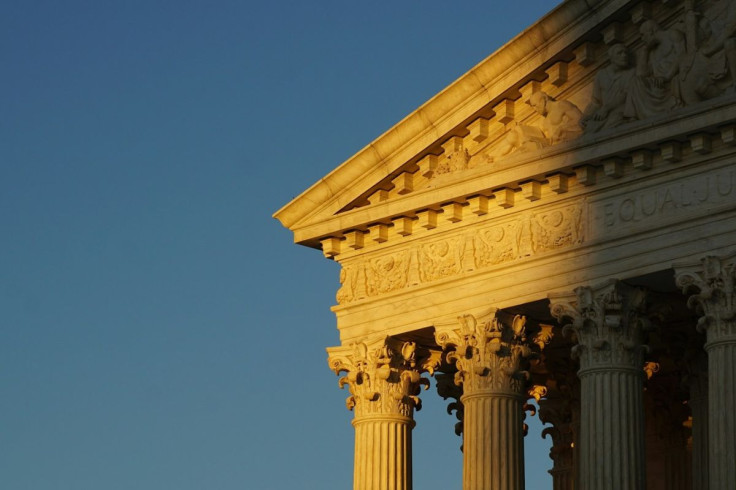
Former prosecutor James D. Zirin argues the new Democratic House taking office in January could challenge the US Supreme Court over its use of emergency orders. Donald Trump had reportedly won 24 of 32 cases on the court's emergency docket by 1 October 2026, according to figures Zirin cited.
During Trump's second term, federal district judges have blocked or delayed administration measures they found likely to be unlawful, Zirin wrote. In some of those disputes, the justices allowed Trump to proceed without settling the underlying question of whether the measures were lawful.
Why Supreme Court Emergency Orders Matter to District Judges
Zirin, a former federal prosecutor in the Southern District of New York, distinguished Trump's record on the emergency docket from his record in other disputes. He cited rulings against Trump on tariffs, birthright citizenship, the National Guard and his efforts to dismiss a Federal Reserve governor.
The 75 per cent figure Zirin cited applies to the 32 emergency cases. On this part of the court's docket, also known as the shadow docket, the justices issue interim orders without full briefing or oral argument. They offer little explanation for some orders and none for others, Zirin wrote.
For district judges, the difficulty extends to the next case. According to Zirin, the Supreme Court has told lower courts to treat those orders as guidance in similar disputes, even when the justices have given judges little indication of how they reached a decision.
Two Supreme Court Justices Address Defiance
After the Supreme Court allowed Trump to cancel $783 million in research grants, Justices Neil Gorsuch and Brett Kavanaugh addressed the obligations of lower court judges in an opinion.
'Lower court judges may sometimes disagree with this Court's decisions, but they are never free to defy them,' the justices wrote.
Zirin contrasted their rebuke with the Supreme Court's response to Trump's criticism of district judges on Truth Social and to Trump-backed impeachment threats in Congress. The justices had largely let those attacks pass without comment, he argued. In his view, the district courts had 'done the job of upholding the rule of law' during Trump's second term.
What Congress Might Change About the Supreme Court
For roughly a quarter of a century, Zirin argued, the justices had little reason to expect Congress to challenge their decisions. For decades, he wrote, Congress did not target the court's jurisdiction or budget or challenge its interpretations of laws Congress had passed. Zirin attributed the restraint in later years to ideological agreement between Republicans in Congress and the court.
Zirin described the incoming Democratic majority as the largest in the House this century. He identified three options for Congress. Lawmakers might expand the court's membership, impose term limits on justices or regulate which cases the court hears. Zirin left open which, if any, of those changes Democrats would pursue when the new House takes office.
'Now, there's a sense that we have lost our way. As the country enters a post-Trump era, we will see which court reforms are enacted in the next decade,' Zirin said.
© Copyright IBTimes 2026. All rights reserved.