Why Did Dr Anthony Fauci Invoke the Fifth Amendment During Rand Paul's Senate Hearing?
A blanket presidential pardon clashes with a shocking refusal to testify in a Capitol Hill showdown.

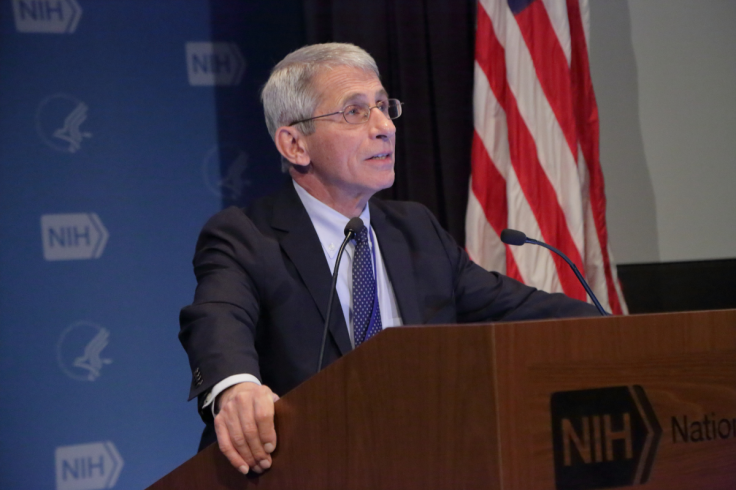
Former White House medical adviser Dr Anthony Fauci invoked his Fifth Amendment right against self-incrimination during a fiery Senate Homeland Security and Governmental Affairs Committee hearing in Washington on Wednesday. The move shocked Senator Rand Paul and prompted immediate threats of a contempt vote, setting the stage for a constitutional clash over presidential pardons and congressional oversight.
To recall, the news came after former President Joe Biden granted the doctor a sweeping preemptive pardon just before leaving office. The clemency order effectively immunised the infectious disease expert from prosecution for any offences arising from his government work between 2014 and the end of the presidential term on Jan. 19, 2025.
'Bewildered' by Fauci's Action
Paul, a Republican from Kentucky who chairs the committee, expressed his bewilderment during an interview with Katie Pavlich. Paul noted that the men have shared numerous combative exchanges in the past, making this sudden refusal to testify all the more striking.
'I was kind of surprised, you know, he's been granted a very broad pardon, a 10-year pardon,' Paul replied when asked about the decision. 'The only person that I know of in history who's gotten a pardon this broad has been Hunter Biden, maybe not the best category or company to keep, but yeah I was surprised. He's been given a pardon,' he added.
It is a wild twist in a political saga that has dragged on for years. One has to wonder if this theatrical showdown is about actual justice or just compelling television, though the stakes for public trust remain undeniably high. The idea that a fully pardoned official would refuse to answer questions is highly unusual, especially given the bitter history between these two men.
When you step back and look at the sheer spectacle of a prominent medical figure invoking his right to silence while holding a ten-year get-out-of-jail-free card, the entire scenario feels entirely unprecedented in modern political history.
Legal Questions Surround the Testimony of Dr Anthony Fauci
The core of the current dispute revolves around newly unveiled diary entries and long-standing questions regarding the origins of the COVID-19 pandemic and gain-of-function research.
Ahead of the Wednesday panel, Paul released over 1,000 pages of personal journals belonging to the former director of the National Institute of Allergy and Infectious Disease. The contents of these documents remain a point of intense scrutiny, though IBTimes UK cannot independently verify these claims, so take everything lightly.
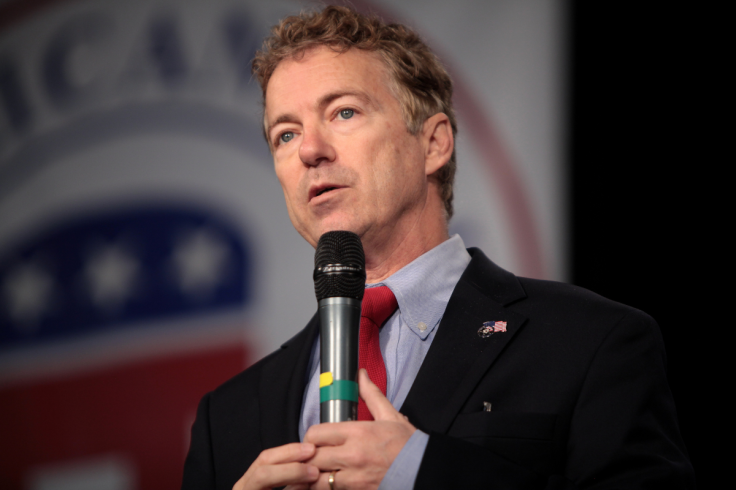
The intersection of a blanket presidential pardon and the Fifth Amendment creates a fascinating legal puzzle. The Fifth Amendment is designed to protect individuals from providing testimony that could lead to their own criminal prosecution. Because Biden already shielded the doctor from federal charges related to his official duties, legal experts and lawmakers alike are debating whether the constitutional protection against self-incrimination still applies.
Paul told reporters after the hearing that his committee believes the immunity from criminal liability nullifies the need to hide behind the Fifth Amendment. He suggested that the protection might not attach when a pardon is already in place.
The senator acknowledged that this will ultimately become a complex legal question for the courts to resolve, but he confirmed his intention to push forward with a contempt referral next week regardless of the clemency.
What the Contempt Threat Means for Anthony Fauci Next
The bitter dynamic between the Kentucky senator and the nation's former top infectious disease expert is well documented. Paul has consistently pressed the health adviser on the origins of the coronavirus, repeatedly accusing him of covering up United States involvement in a potential laboratory leak in China that could have released the virus into the global population.
The sheer volume of the released journals suggests a deep dive into the private thoughts of a man who served as the face of the American public health response during an unprecedented global crisis. For critics of the response, these documents are seen as a potential treasure trove of evidence that could validate years of suspicion. For supporters, the ongoing investigations appear to be an exercise in political retaliation rather than genuine legislative oversight.
The atmosphere in the hearing room was tense long before the refusal to testify. Witnesses described a palpable animosity between the committee members and the witness table. When one of the attorneys representing the doctor was abruptly escorted out of the chamber after attempting to speak up on his client's behalf, it underscored the complete breakdown of traditional congressional decorum.
The escalation to a potential contempt vote signifies that the Republican-led committee is unwilling to let the matter drop, even with the protective shield of a presidential pardon firmly in place.
Whether a contempt charge can actually stick to a man who holds a blanket pardon from the highest office in the land remains to be seen, leaving legal scholars and political pundits bracing for a protracted battle in the courts next week.
© Copyright IBTimes 2026. All rights reserved.
- Recommended For You