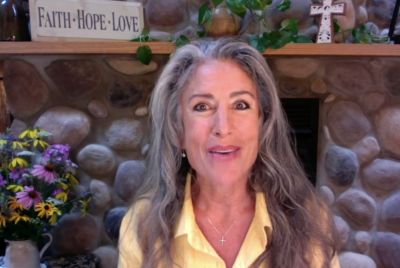
10 Photos Of Elizabeth Smart: 'Shock' Bodybuilding Transformation Reveals How Former Abduction Victim Reclaims Control
From abduction survivor to bodybuilding advocate, Elizabeth Smart redefines her narrative through strength and resilience.

Elizabeth Smart, widely known for her 2002 abduction and subsequent advocacy work, has revealed a bodybuilding transformation that she describes as both 'shocking' and profoundly empowering. The former abduction victim, now a leading voice in child safety and recovery, said the process has helped her reconnect with her body after years of trauma. Her comments, shared in a recent interview, have prompted broader discussion about healing, control and resilience, and how survivors reclaim their lives in unexpected ways.
Smart has spent more than a decade working with survivors of violence through the Elizabeth Smart Foundation, but her latest chapter signals a more personal evolution. The physical discipline of bodybuilding, she said, offered a new dimension of strength, one rooted not in survival alone, but in choice and control.
A Personal Transformation Rooted In Control And Discipline
Smart disclosed that her decision to pursue bodybuilding was initially unexpected, but it quickly became a structured and meaningful pursuit. She said that the experience was 'empowering', emphasising how physical training allowed her to regain a sense of ownership over her body.
She explained that after surviving abduction at age 14 and enduring prolonged trauma, reconnecting with her physical self remained complex. 'There were times when I felt very disconnected from my body,' she said, adding that bodybuilding helped rebuild that relationship through discipline and consistency.
The process involved rigorous training routines, strict nutritional planning and mental resilience. These elements, she noted, provided a framework that contrasted sharply with the loss of control she experienced during her abduction.
From Survivor Advocacy To Personal Healing
Smart's public identity has long been defined by her advocacy work, particularly following her rescue in March 2003. Court records from the trial of her captors, Brian David Mitchell and Wanda Barzee, detail the severity of her ordeal, which included months of captivity and abuse. Mitchell was later sentenced to life imprisonment in 2011, while Barzee received a 15-year sentence in 2010.
In the years since, Smart has worked extensively with lawmakers, law enforcement and survivor networks. Through the Elizabeth Smart Foundation, she has supported prevention education and recovery programmes, often speaking publicly about resilience and healing.
However, her bodybuilding journey represents a shift from external advocacy to internal transformation. She described the experience as 'something just for me', underscoring its role in personal recovery rather than public messaging.
Public Reaction And Broader Implications For Survivors
Images of Smart's transformation have circulated widely, prompting both admiration and reflection among supporters. Many have pointed to the symbolism of her physical strength as a continuation of her long-standing message of resilience.
In her interview, Smart acknowledged that the term 'shock' was not intended to sensationalise her transformation but to reflect how unexpected the journey had been, even to herself. 'It wasn't something I ever imagined doing,' she said, noting that the process challenged her assumptions about her own capabilities.
Survivor advocates have also responded to her comments, highlighting the importance of diverse recovery pathways. Not all survivors pursue physical transformation, but Smart's experience adds to a broader understanding of how healing can take many forms.
Her story also intersects with growing public interest in fitness as a tool for mental health. According to NHS guidance, regular exercise can reduce symptoms of anxiety and depression, while also improving self-esteem and overall wellbeing.
Reclaiming Narrative Through Strength And Visibility
Smart's transformation is not merely physical; it represents a reassertion of narrative control. For years, her story has been framed through the lens of victimhood and survival. Bodybuilding, she suggested, allows her to redefine that narrative on her own terms.
She continues to engage in advocacy, including public speaking and policy work, but she has also emphasised the importance of personal fulfilment. 'You can survive something terrible and still find ways to grow,' she said.
The visibility of her transformation also carries symbolic weight. By sharing her journey publicly, Smart contributes to a broader cultural shift that recognises survivors as multidimensional individuals rather than solely defined by their trauma.
Her story resonates beyond individual experience, reflecting ongoing conversations about resilience, identity and recovery in the aftermath of violence.
Elizabeth Smart's bodybuilding transformation underscores a powerful truth: survival is not the endpoint, reclaiming control is.
© Copyright IBTimes 2026. All rights reserved.
- Recommended For You