

'Cancer Changes You in So Many Ways': Kate Middleton Opens Up About the Physical, Emotional Aftermath
The Princess of Wales explained that while people may assume life quickly returns to normal after treatment ends, the reality can be very different.
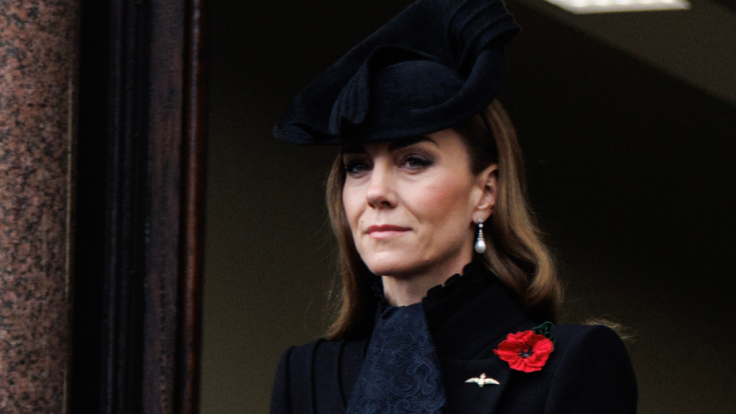
The Princess of Wales has offered one of her most candid reflections yet on life after cancer treatment, speaking openly about the lasting physical and emotional impact of her health journey.
During a visit highlighted by HELLO!, Kate Middleton discussed the realities of recovery, explaining that the end of treatment does not necessarily mark a return to normal life. Instead, she suggested that the process of healing can continue long after medical interventions have concluded.
'Cancer changes you in so many ways,' the Princess said, offering a rare personal insight into the challenges faced by patients navigating life after treatment.
Her comments resonated with many cancer survivors who have spoken about the often-overlooked period between completing treatment and adapting to a new normal.
Recovery Can Be More Complex Than People Expect
Kate explained that while people may assume life quickly returns to normal after treatment ends, the reality can be very different.
'You put on a sort of brave face, stoicism through treatment,' she said. 'Treatment's done, then it's like, 'I can crack on, get back to normal,' but actually [that's not the case].'
The Princess described the adjustment period as a significant challenge, noting that patients are no longer under constant clinical supervision yet may still be dealing with the effects of illness and treatment.
The Emotional Toll Of Life After Treatment
In addition to the physical effects, Kate spoke about the emotional and psychological adjustments that can follow cancer treatment.
The Princess suggested that recovery is rarely a straightforward process and often involves navigating uncertainty while gradually rebuilding confidence and routine.
Health experts frequently note that cancer survivors may continue to experience fatigue, anxiety, emotional distress, and other long-term effects even after treatment has ended.
Kate's comments align with experiences shared by many patients who describe recovery as a journey rather than a single milestone.
Cancer Puts Life Into Perspective, Says Princess Kate
The Princess of Wales expanded on the profound impact cancer can have on every aspect of a person's life during a surprise visit to The Christie NHS Foundation Trust in Manchester, where she met patients currently undergoing treatment and spoke openly about her own recovery journey.
Kate, 44, who announced earlier this year that she is in remission following treatment for an undisclosed form of cancer, spent time with patients and carers at the hospital's Oak Road Treatment Centre. Throughout the visit, she reflected on how a cancer diagnosis can reshape priorities and alter a person's outlook long after treatment has ended.
During one conversation, a patient explained the crucial role his wife had played throughout his illness, telling the Princess that he 'couldn't have done it without the support of my wife.'
Kate responded by acknowledging the often-overlooked impact on family members and carers.
'I was just saying, it's hard for the loved ones,' she said.
The Princess went on to discuss the physical and emotional changes that accompany a cancer diagnosis and recovery, explaining how the experience can fundamentally alter a person's relationship with themselves and the world around them.
'You need to support yourself alongside all the things you can't control. Your body changes so much, not just physically, emotionally, but the deeper side of ourselves.
'It puts so much in perspective and you hold onto what's important.'
The Christie, one of Europe's leading cancer centres, provides care for more than 60,000 patients each year and serves approximately 3.2 million people across Greater Manchester and surrounding regions. The facility also offers a range of complementary services for patients and carers, including therapies designed to help manage stress, anxiety, and other emotional challenges often associated with cancer treatment.
Later in the visit, Kate met former patient Neil Neaverson, who described how acupuncture had supported his recovery and wellbeing following treatment. The discussion prompted the Princess to reflect on the importance of personalised support and the different ways patients navigate life after a diagnosis.
'Cancer diagnosis is deeply personal, being able to tailor it to the patient's needs is fantastic and allows you to live a happy, healthy life beyond treatment and diagnosis. Cancer changes you in so many ways, emotionally and physiologically, too. It changes you in mind, body, and spirit.'
The conversation continued in the hospital's art room, where the Princess met resident artist Patricia Mountford and joined a creative session with patients. Speaking about the role creativity can play during recovery, Kate highlighted the value of self-expression as individuals process the changes brought about by serious illness.
'Finding ways, whatever they may be, to explore the change that cancer diagnosis brings and how that deeply personal journey.
'Trying to understand that deep sense of self, creativity is such a wonderful way to explore that. Everyone's cancer journey is so deeply personal.'
The remarks offered one of the clearest insights yet into Kate's own experience with cancer and recovery, reinforcing her message that healing extends far beyond medical treatment and often involves emotional, psychological, and personal growth long after a patient leaves hospital care behind.
Continuing A Gradual Return To Public Duties
Kate has steadily increased her public engagements following her treatment while maintaining a measured approach to her return to official duties.
Her latest comments offer a reminder that recovery is an ongoing process, even for those whose treatment has formally ended.
By sharing her experiences, the Princess of Wales has contributed to a broader conversation about survivorship, resilience and the realities of living beyond cancer.
For many patients and families, her message was both simple and powerful: recovery does not end when treatment stops, and adapting to life afterwards can be one of the most challenging parts of the journey.
© Copyright IBTimes 2026. All rights reserved.