Outrage as 86-Year-Old With Parkinson's Convicted Over Unpaid DVLA Car Tax After Daughter Missed Renewal
Single Justice Procedure criticised for overlooking mitigating circumstances
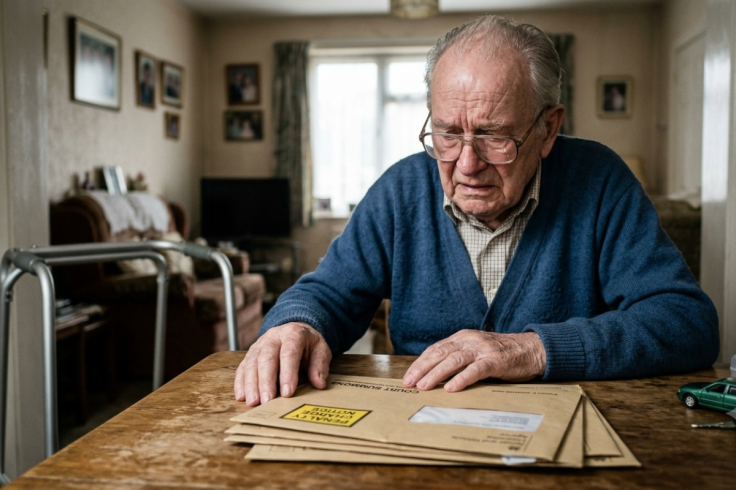
An 86-year-old man with Parkinson's disease has been convicted in a Single Justice Procedure court in Lincoln over a missed DVLA car tax payment that ultimately boiled down to £3.34 in compensation, after his daughter accidentally failed to renew the tax on his Ford Fiesta while moving house from their home near Newcastle.
The pensioner told the court, in writing, that he has Parkinson's and that his 86-year-old wife has Alzheimer's. Their daughter, he explained, holds lasting power of attorney for both their finances and their health and welfare, and usually handles the administrative tasks most households rely on someone to remember.
The annual £20 DVLA car tax on his silver Ford Fiesta fell due in January, but the renewal was overlooked while his daughter was moving address, with the family believing any reminder had gone to her old home. The DVLA launched a criminal prosecution covering a six-week spell between February and mid-March when the vehicle was untaxed.
Pensioner Had Already Paid a Penalty Before Conviction
By the time the paperwork landed, the man had already paid an £80 financial penalty that he thought settled the matter. In his note to the court, he questioned why he was now facing a criminal conviction as well.
He pleaded guilty in writing to using a vehicle without a valid licence, explaining in his mitigation that his daughter 'has control of my financial and health and welfare as lasting POA' and 'has to do much on keeping on top of everything for my wife and I.'
He added that the car is being sold, as he is no longer capable of driving, and asked that his daughter be contacted 'to confirm this matter is resolved with no further action necessary.'
How the Single Justice Procedure Handles Cases
The Single Justice Procedure, or SJP, allows a single magistrate to deal with minor, non-imprisonable offences on paper, behind closed doors, with no lawyers present and no defendant in the room.
It was designed as an efficient way of clearing routine cases, but prosecutors, including the DVLA, do not routinely see letters of mitigation like this one before a conviction is entered, which means health issues, caring responsibilities or simple human error can be missed.
In this case, magistrate Lynda Briggs considered the written plea and mitigation and chose not to impose a further fine, instead recording a conviction, ordering £3.34 in compensation to the DVLA, and granting an absolute discharge.
Thousands Prosecuted Every Week for Untaxed Vehicles
On the same day, the same magistrate dealt with 60 other DVLA car tax cases, imposing fines, costs, court fees and compensation totalling almost £25,000. According to court data, 1,950 people across England and Wales were prosecuted in the SJP last week alone for keeping or using a vehicle while untaxed.
Officials at HM Courts and Tribunals Service insist the SJP is an 'accessible, proportionate, effective and more efficient way' to hear low-level cases that will not lead to prison.
In practice, cases like this one, involving an 86-year-old carer with Parkinson's drawn into the criminal courts over a missed £20 renewal and a £3.34 shortfall, have raised questions about whether that proportionality holds up.
Promised Safeguards for Vulnerable Defendants Stalled
The Labour government consulted last spring on possible changes to the SJP, including a mandatory prosecution check after defendants submit mitigation, so agencies such as the DVLA would have to review any new information before cases go to conviction.
The DVLA has supported that proposal, but since the consultation closed in May last year there has been no public announcement on whether reforms will proceed.
At present, the procedure continues to involve a single magistrate considering paperwork in private for thousands of low-level cases each week, without defendants attending court.
© Copyright IBTimes 2026. All rights reserved.
- Recommended For You