

TikToker Jailed After Falsely Claiming Ghana's President Sacrificed 32 Cows To Win Election
TikToker Camilla Alhassan claims that President John Mahama sacrificed 32 cows to win the 2024 election.
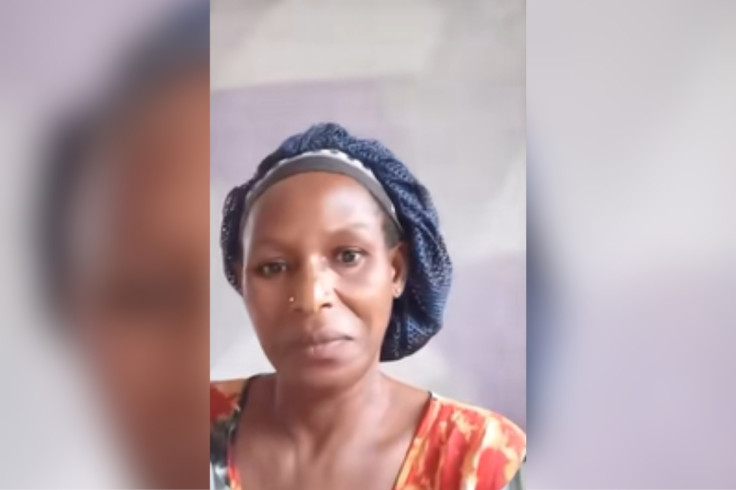
A Ghanaian TikToker has been sentenced to one year in prison after admitting to publishing false claims that President John Mahama sacrificed 32 cows in a ritual to secure victory in the country's 2024 presidential election.
Camilla Alhassan, 43, was convicted by a court in Ghana after pleading guilty to charges of offensive conduct and publication of false news over a series of videos shared on TikTok, where she has more than 70,000 followers.
Authorities have increasingly warned that fabricated online claims can undermine public trust, while civil liberties advocates have urged the government to ensure efforts to tackle false information do not erode constitutional protections for free expression.
False Claims About Ghana's President Led to Jail
According to prosecutors, Alhassan uploaded multiple videos last month and earlier this month alleging, without presenting any evidence, that Mahama had sacrificed 32 cows as part of a ritual intended to secure his election victory. She also claimed that a government programme distributing sanitary pads to women affected by recent flooding was designed to distract the public from the alleged ritual.
The allegations spread widely across social media before Alhassan was arrested earlier this month.
During sentencing, the court rejected a plea for a more lenient punishment. The judge ruled that a custodial sentence was appropriate because it would discourage similar conduct and help address what the court described as the growing prevalence of false information circulating on social media.
@officialutvghana Incarceration of Camilla Alhassan and Arrest of others: Minority demands repeal of sections 207 & 208 of criminal offences act #UTVNews
♬ original sound - UTV Ghana - UTV Ghana
Prosecutors argued that the videos contained false and defamatory allegations against the president and had the potential to mislead the public. Alhassan pleaded guilty to the charges, leaving the court to determine an appropriate sentence rather than contesting the allegations.
Her conviction has reignited debate over where Ghana should draw the line between combating online misinformation and protecting freedom of speech in one of West Africa's most established democracies.
Ghana Steps Up Campaign Against Online Misinformation
The latest prosecution is not an isolated case.
Ghanaian authorities have increasingly pursued criminal cases involving social media content that they believe could incite panic or threaten public order.
Last September, TikTok creator David Kwodwo Prah Afful, better known online as Kwame Nkrumah II, was sentenced to seven months in prison after being convicted of making death threats and engaging in offensive conduct likely to cause a breach of the peace.
His conviction followed a viral video in which he threatened to kill Mahama and members of parliament.
The government has also been laying the groundwork for legal reforms aimed at tackling misinformation online.
Last year, President Mahama announced that his administration was considering measures to 'sanitise' social media and warned that authorities would identify and prosecute individuals responsible for spreading false information, hate speech or messages capable of causing fear and panic.
Communications Minister Samuel Nartey George later confirmed that the government intended to introduce legislation establishing a legal framework to combat misinformation while preserving legitimate freedom of expression.
Crackdown Divides People of Ghana
Supporters argue that stronger enforcement is needed as fabricated content becomes increasingly widespread across online platforms. Critics, however, have cautioned that any new powers should be narrowly drafted to avoid discouraging legitimate criticism of public officials or restricting lawful political speech.
Ghana continues to enjoy a reputation as one of West Africa's strongest democracies, with constitutional guarantees protecting freedom of expression and an active independent media sector. Even so, the country's expanding social media reach has brought challenges as officials seek to respond to viral misinformation without undermining the very freedoms that distinguish its democratic system.
Alhassan's case now stands as one of Ghana's most prominent prosecutions involving false information shared on TikTok.
© Copyright IBTimes 2026. All rights reserved.