'I Would Have Killed Myself': Prince Harry Reveals Shocking Veteran Confessions Behind TIME100 Triumph
At the heart of Prince Harry's latest accolade lies a stark claim from wounded veterans who say a week of competition gave them a reason to stay alive.

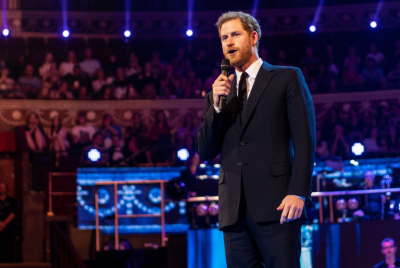
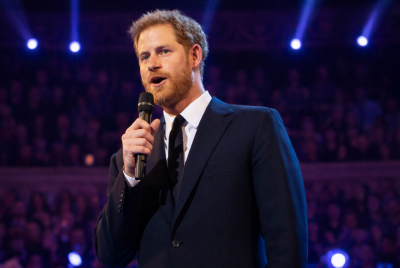
Prince Harry has been named by Time magazine as one of the world's 100 most influential people in sport for 2026, with the Duke of Sussex topping the 'Leaders' category in recognition of his Invictus Games work, according to the publication's newly released inaugural sports list.
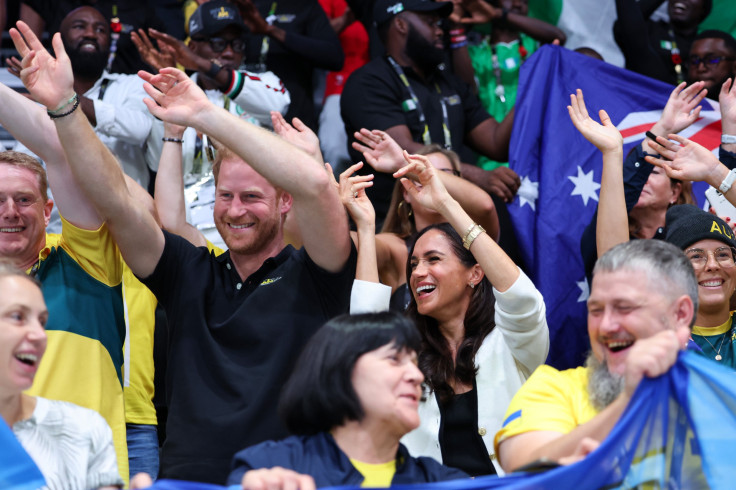
Prince Harry using sport as his chosen way to stay connected to the Armed Forces community he once served alongside. For those who have not followed his post-royal trajectory closely, Invictus began in 2014 as a relatively modest international tournament for wounded, injured and sick servicemen and women. It has since grown into a global movement that blends elite competition with rehabilitation, mental health support and a certain defiant camaraderie that more conventional sporting events simply do not attempt to carry.
In Time's new sports-focused edition, which is divided into Icons, Titans, Innovators and Leaders, Prince Harry is placed in the latter bracket. The magazine positions him less as a celebrity dabbling in sport and more as an organiser who has bent an entire sporting concept around a specific, vulnerable group. Appearing first in the Leaders section is a statement of intent from Time, and a not-so-subtle reminder that influence in sport is no longer confined to owners' boxes and stadium boardrooms.
This is not Harry's first appearance on a Time power list. He previously featured in 2018 among the Leaders, and again in 2021 under Icons alongside his wife, Meghan Markle. Back then, the focus was on royal disruption and their media ventures. This time, the emphasis is narrower and arguably more substantive. The veteran community and the role sport plays in keeping many of its members alive, in more than just the metaphorical sense, sits at the heart of the citation.
Prince Harry Says He Wouldn't Have Stayed in School If It Wasn't for One Thing https://t.co/bcjONUaZBc
— People (@people) June 9, 2026
Prince Harry and the Power of Invictus
Prince Harry told the magazine that the idea for Invictus formed when he watched wounded personnel competing and saw what it did to them in real time. 'I thought, Wow, look at the power of sport, look at how it is literally changing lives in front of my very eyes,' he recalled. His instinct was to scale it. 'It was so clear to me. Let's invite as many countries as possible to make it international, because clearly more countries need to benefit from this.'
The Games, now a travelling event with host cities bidding for the right to stage them, are designed to fill a particular void. As Harry put it, when a soldier takes off the uniform for good, 'When you are wearing your nation's flag on your arm, on your chest, once that's removed, there's something that's missing.' In his telling, Invictus is one attempt to replace that missing piece. 'What we've managed to achieve through Invictus over the years is not only to give people their purpose and their meaning back but give them their identity back.'
Invictus athletes and their families have long spoken in similarly stark terms about the stakes. Harry himself described the project as a lifeline built on something that kept him going in darker moments. 'Sport held me together,' he admitted, adding that he had been 'one of those kids at school who did not enjoy classroom work' and that without 'the sports field, and the amount of sports that were on offer, there's no way I would have stayed in school.'

Influential Prince Harry Eyes Bigger Invictus Future
The Time recognition lands as Prince Harry openly plots the next phase of the Invictus Games. He told the magazine he wants to grow his 'passion project' further and floated the idea of expanding the competition from one week to two. The logic is simple enough: more days mean more events and more slots for veterans who, in some cases, have already waited years for a chance to compete.
Harry's most striking claim in the interview, and the one that strips away any lingering sense this is mere royal hobbyism, concerns what Invictus participants tell him privately. 'One thing that we really celebrate at Invictus is not only do we change lives, but we save lives as well,' he said. The Duke then linked that assertion directly to the voices he hears on the ground. 'That's not based on anything other than the amount of individuals that come up to me and say, If it wasn't for Invictus, I would have killed myself.'
"We are honoured our Founder and Patron has been recognised in the @TIME 100 Sports list.
— Invictus Games Foundation 💛🖤 (@WeAreInvictus) June 9, 2026
Thank you to TIME for shining a light on the work of the #InvictusGames Foundation and the extraordinary community behind it.
Sport has the power to change lives and, in some cases, to… pic.twitter.com/83j9AhUzcp
If that sounds brutally direct for a glossy magazine spread, that is precisely the point. It underlines why Time has grouped him with other sports figures whose influence is measured less in trophies and more in how they reshape the culture orbiting the games people play. Those testimonies are, of course, personal accounts rather than audited data, and nothing in Harry's remarks amounts to a formal study of suicide prevention. Still, taken at face value, they explain why he talks about the Games in language closer to emergency medicine than entertainment.
Away from the awards and magazine lists, the project continues to roll on. King Charles's younger son is due back in the UK in July for a 'one-year-to-go' event ahead of the 2027 Invictus Games in Birmingham. That edition is set to add three new disciplines to the programme: esports, laser run, and the fast-growing racket game pickleball. Each addition is meant to open another door for injured service personnel who might not see themselves in traditional track or pool events.
© Copyright IBTimes 2026. All rights reserved.
- Recommended For You