King Charles III, Prince William Under Pressure as Epstein-Linked Claims Resurface — Camilla's Past Hits Kate
Old choices, new scrutiny and quiet tensions reshape the future of the monarchy.
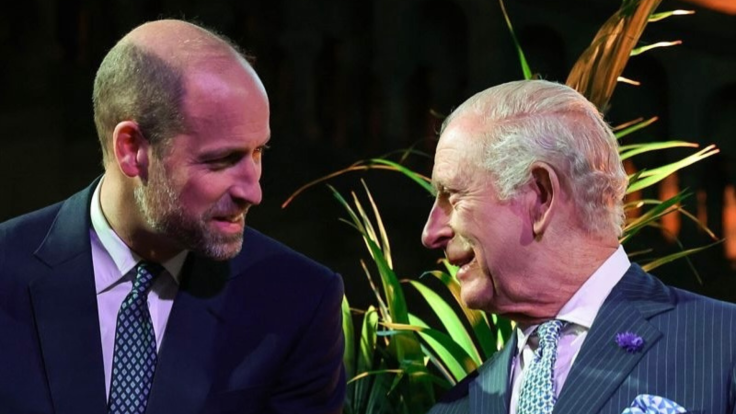
The royal family is once again under intense scrutiny, as old controversies and new claims resurface in ways many thought had eased. Questions tied to past associations with Jeffrey Epstein, along with long examined personal decisions, have returned to the conversation, placing King Charles III and Prince William in an uncomfortable spotlight.
For William, the strain feels as personal as it is public. The impact of his father's earlier choices, especially around relationships and duty, now sits alongside rising expectations for him to lead a monarchy that feels more modern and accountable. It is a careful balance, and it is becoming harder to hold.
As renewed claims and familiar questions surface, the monarchy finds itself walking a fine line between private tension and public unity. Official appearances may project calm, but behind them is a family still shaped by its past while trying to steady its future.
A Royal Decision That Shaped William's View on Love
Long before he became king, Charles made a decision that continues to echo through the next generation. His choice not to marry Camilla Shand in the early 1970s has often been linked to how William approached his own relationship with Kate Middleton.
According to Marie Claire, royal expert Russell Myers said William grew up aware of the complications that followed his father's early romance with 'the love of his life,' Camilla Shand. Drawing from Myers' book William and Catherine: The Monarchy's New Era: The Inside Story, that history of delayed romantic commitment appears to have made William more cautious when it came to his own relationships.
His long courtship with Kate reflected that mindset. He wanted certainty, not just affection, before stepping into marriage under constant public attention. Myers said that when the Prince and Princess of Wales briefly separated in 2007, William was 'having second thoughts,' noting that the 43-year-old future king did not want to repeat what he saw as his father's mistake.
What followed was a slower, more deliberate path. Despite the uncertainty, William eventually reached out and asked Kate if they could talk. She agreed, giving the relationship another chance and allowing it to move forward rather than fade beyond repair.
Some see that period as a quiet response to the instability that once surrounded his father's personal life. It also seems to have shaped how William approaches commitment, with a clear sense of caution in his own romantic decisions.
Epstein-linked Claims Bring New Pressure
While that personal history lingers, new controversy has added to the strain. Questions have been raised about Princess Beatrice and Princess Eugenie and their reported travel to the United States with their mother Sarah Ferguson shortly after Epstein's release from prison.
As reported by The Express, the claims have intensified calls for clarity around the roles and future status of the two princesses within the royal family. Royal expert Robert Jobson said King Charles and Prince William should 'make a call' and consider stripping them of their titles, pointing to what he described as a simple principle.
'In the end, the rule should be simple you work for the Crown, you keep the title,' Jobson stated. 'You don't, you don't. Charles and William need to make that call.'
The issue has added pressure on both King Charles and Prince William, while also reviving broader concerns about past associations and the monarchy's ability to distance itself from damaging headlines.
For William, the timing is difficult. He is trying to present a more modern and accountable monarchy while facing questions linked to events outside his direct control.
A Softer Public Image With Kate and Camilla
Amid the issues, recent royal appearances have taken on added weight. During a state visit by Nigerian President Bola Ahmed Tinubu and First Lady Oluremi Tinubu, William and Kate stepped slightly away from tradition by hosting a banquet.
The evening included a warm moment between Kate and Queen Camilla that did not go unnoticed, Cambridge News noted. Their interaction felt relaxed and genuine, offering a glimpse of unity at a time when the headlines suggest strain.
For many royal observers, it seemed like a deliberate effort to show stability at a time when headlines suggest otherwise. The monarchy has long relied on such moments to reassure the public, and this one carried particular a significant meaning given the tensions surrounding the royal family.
A Portrait Meant to Send a Message
The image from that evening was carefully crafted. Prince William and Kate Middleton also commissioned a portrait by British Nigerian photographer Christianah Ebenezer.
According to People, the photograph showed the couple in formal 'flag dressing' attire, with Kate wearing an Andrew Gn emerald dress along with a tiara. The image balanced tradition with a more modern, outward looking feel.
The choice of photographer and styling carried quiet meaning. It reflected an effort to connect with a wider audience while still honouring royal tradition.
For William, the portrait was more than a formal image. It formed part of a broader attempt to shape how the monarchy is seen as expectations shift.
Balancing Legacy and Expectation
Meanwhile, these moments show a royal family in transition. Prince William stands between the weight of past decisions and the expectations of a more questioning public.
His 77-year-old father, King Charles III, still casts a long shadow, with earlier choices continuing to shape public perception. At the same time, new controversies are testing the monarchy's ability to adapt.
There are signs of careful adjustment. Public gestures, from state events to symbolic images, suggest an awareness that trust and image are now closely linked together
For William, the challenge is not only to respond to events as they come, but to redefine what the monarchy represents. That means balancing history, duty and a future that feels increasingly uncertain.
© Copyright IBTimes 2026. All rights reserved.
- MOST POPULAR IN Royals