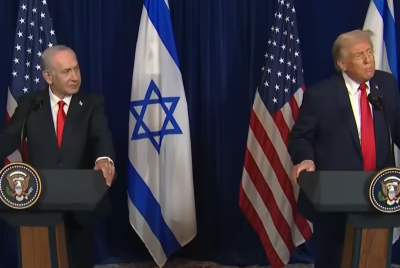
Trump Was Informed, Not Consulted — Netanyahu on Israel's Iran Operation
Israeli PM Netanyahu informed Trump of Iran strike plans without seeking approval

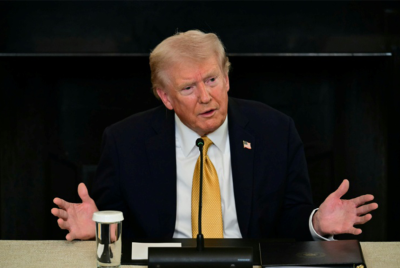
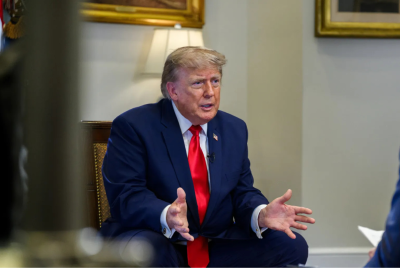
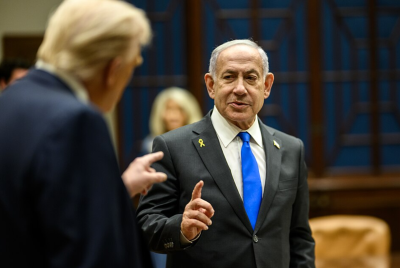
Israeli Prime Minister Benjamin Netanyahu has said he informed President Donald Trump of Israel's intentions before launching its major military operation against Iran last year, rather than seeking consultation or approval. The disclosure came on Wednesday during his address to the Muni Expo conference for local authorities in Tel Aviv.
Netanyahu framed the exchange as a simple briefing to a key ally about an action Israel deemed necessary to address an existential threat. The comments shed light on the dynamics between the two leaders during the planning of what Israel termed Operation Rising Lion and arrive amid continued US diplomatic engagement with Iran.
Netanyahu Informed Trump Of Iran Plans
In his speech, Netanyahu recalled informing the US president with the words 'We are going into Iran.' He made clear that he did not request permission for the operation. 'I did not ask for permission. I simply informed him of our plan,' Netanyahu stated.
Netanyahu expressed satisfaction that Trump joined the effort toward the end of what he described as a very important action. The prime minister reiterated that while Israel keeps its allies updated on security matters, it alone determines the steps required to safeguard its people from declared enemies. He pointed to past decisions, including operations in Gaza despite US advice against them, as examples of this approach.
Operation Rising Lion Targeted Nuclear And Missile Threats
Operation Rising Lion began on 13 June 2025 with a large-scale Israeli air campaign that extended over 12 days. More than 200 fighter jets conducted precision strikes on over 100 targets inside Iran, focusing on nuclear enrichment facilities such as Natanz, ballistic missile arsenals and production sites, air defence networks and senior military command centres.
The opening phases resulted in the deaths of several high-ranking Iranian officials, including commanders from the Revolutionary Guard and nuclear programme experts. The strikes were part of a broader effort to degrade Iran's ability to threaten Israel and its allies. Netanyahu later assessed that the operation had pushed back the prospect of Iran possessing atomic bombs aimed at Israel's destruction and neutralised the immediate risk from thousands of ballistic missiles.
US military involvement included additional strikes on hardened nuclear sites as the campaign progressed, contributing to the overall degradation of Iranian capabilities before a ceasefire took effect on 24 June.
Remarks Come Amid US Iran Ceasefire Talks
The remarks follow a period of heightened tension in June 2026, during which Iran launched missiles at Israel in response to earlier Israeli actions, prompting President Trump to urge restraint and emphasise the need for diplomatic progress first reported by Axios .
Negotiations between the United States and Iran have advanced toward an interim agreement to halt hostilities, though Israeli officials have expressed reservations about the terms. The prime minister has consistently argued that military strength underpins Israel's security posture. Netanyahu's account of the previous year's operation reinforces Israel's doctrine of preemptive action against threats from Tehran, independent of broader alliance considerations.
It also reflects ongoing differences in how the two countries prioritise military responses versus negotiated settlements in dealing with Iran. The statement from Netanyahu serves as a clear articulation of Israel's autonomous approach to its security challenges. As US-brokered talks with Iran continue in the coming weeks, the prime minister's recollection of events from last year highlights the persistent emphasis on self-reliance in Jerusalem's strategic calculations.
© Copyright IBTimes 2026. All rights reserved.
- Recommended For You