'Football Is for the People': Nigel Farage Backs UEFA and Demands FIFA's Gianni Infantino Resign
Farage's intervention puts the spotlight on FIFA's private investment row
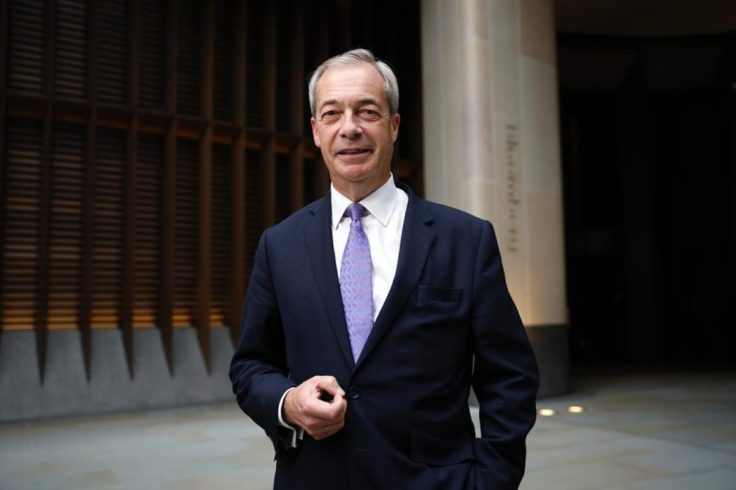
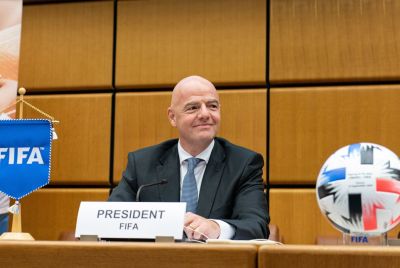
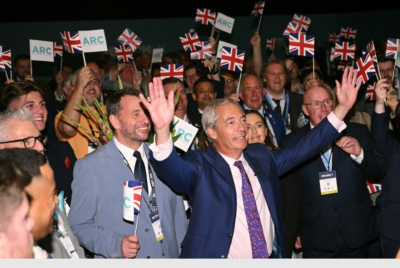
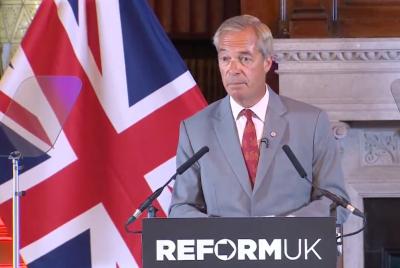
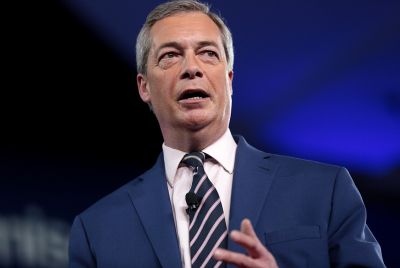
Nigel Farage has called for FIFA president Gianni Infantino to resign, backing UEFA in a widening row over the direction and politics of world football. In a post on X, the Reform UK figure wrote: 'Football is for the people. UEFA are right to take a stand and Gianni Infantino must resign.'
The comment lands as UEFA is already in open dispute with FIFA over Infantino's leadership and plans for the game. UEFA accused the FIFA chief of placing 'private political interests' above his responsibilities after he arrived more than two hours late for a FIFA congress in Paraguay, prompting a walk-out by European delegates including FA chair Debbie Hewitt.
Football is for the people. UEFA are right to take a stand and Gianni Infantino must resign. https://t.co/VGX3GRjvOy
— Nigel Farage (@Nigel_Farage) July 30, 2026
UEFA and FIFA in Conflict
UEFA's criticism is not a one-off complaint. The European governing body has repeatedly pushed back against Infantino, and it has reacted furiously to FIFA proposals to seek private investment in competitions including the World Cup.
In that response, UEFA said football's institutions should not cross a line by treating the World Cup like an asset to be sold. BBC Sport also reported that FIFA wants to raise more than £7.4 billion ($10 billion) for football development, while the scheme could generate tens of millions of pounds for Infantino if it goes ahead.
Farage's Political Intervention
Farage's post injects a political edge into a row that has already gone beyond football. By saying 'Football is for the people', he backs the argument that the game has drifted too far from ordinary supporters and into the hands of powerful decision-makers.
The intervention taps into growing public frustration with football governance, particularly at a time when fans across Europe have protested against rising ticket prices, ownership models, and the increasing commercialisation of the sport. Farage's message lands squarely in that wider discontent, framing the FIFA-UEFA dispute as another example of football's elite losing touch with those who fill the stands.
It is also easy to see why the post has generated significant online attention. Within hours of being published, the message had accumulated thousands of engagements, with supporters and critics alike weighing in on the Reform UK leader's unexpected entrance into football politics.
A Wider Fight Over Football
The row is about more than one resignation demand. It sits inside a wider fight over the future of world football, including who controls the money, who makes the decisions and how much influence political figures and outside investors should have.
UEFA's anger over FIFA's investment plan has only sharpened the stand-off, with the European body arguing that 'none of us are owners of the World Cup'. Farage's intervention adds another public voice to a dispute that is already drawing criticism from football officials and political leaders.
The underlying tension reflects a broader realignment in global sport, where traditional governing bodies increasingly find themselves competing with private equity, sovereign wealth funds, and politically connected investors. FIFA's push to raise private capital for its flagship tournament represents a significant departure from the non-commercial ethos that has long defined the World Cup, and UEFA's resistance suggests the battle lines are hardening.
Online Response to Farage's Call
Farage's post quickly drew a wave of replies on X, with many users questioning his role in the row despite agreeing that FIFA should put fans first. One verified account, @FootballPolitics, argued that in the metaphor Farage was using, he himself was closer to Infantino, accusing his funders of acting like 'shady investors' trying to take the game away from ordinary people.
— Sam (@SamCKx) July 30, 2026
Others suggested Farage should focus on his own position, with one user saying he 'should resign as MP for Clacton' and another pointing out that he had already stepped down. A further reply said calling for Infantino's resignation was 'easy' and that the real test was whether FIFA would actually 'put fans before cash'.
Nigel Farage should resign as MP for clacton
— Sam - Investor- 💷 (@Saminvests98) July 30, 2026
Oh wait he already has
Calling for Infantino’s resignation is easy. Getting FIFA to put fans before cash is the actual test. 🇬🇧
— Wilson & Blackett Archive (@WilsonBlackett) July 30, 2026
Some responses were openly dismissive or mocking. Several users questioned why anyone should listen to Farage at all, describing him as having 'zero influence' and joking that he was 'nothing right now' compared with other political figures. Others doubted Infantino would pay attention to the post and noted that Farage's intervention was unlikely, on its own, to force change at the top of FIFA.
The mixed reaction underscores the difficulty of translating social media activism into real-world political or institutional change, particularly in a sport as insular and resistant to outside pressure as football governance.
So what? Farage is a cornerboy criminal with zero influence. Is he shagging you?
— Slim Pickens (@SlimPickens1212) July 30, 2026
What Farage's Call Means for Infantino's Future
For now, Farage's post does not change FIFA's position, but it adds more pressure on Infantino at a sensitive moment. UEFA has already made clear it is willing to oppose him publicly, while member associations are expected to weigh the next steps in the fallout from FIFA's proposals.
Infantino's future still looks uncertain, even though he remains powerful enough within FIFA to ride out controversy. Farage's call for him to resign shows how a football row has spilled into a wider public argument over who the sport is really for.
The coming weeks will be critical for Infantino. UEFA's open rebellion, combined with growing scrutiny from political figures and the media, could force FIFA to reconsider its approach to investment and governance. Whether Farage's intervention accelerates that process remains to be seen, but it has already ensured the debate reaches far beyond the corridors of football administration.
© Copyright IBTimes 2026. All rights reserved.
- Recommended For You