North Korea Calls US–South Korea Military Drills 'Invasion Rehearsals' and Responds With 10 Ballistic Missiles
North Korea fired 10 ballistic missiles into the sea after US–South Korea joint drills, raising regional tensions and concerns over diplomacy in East Asia.
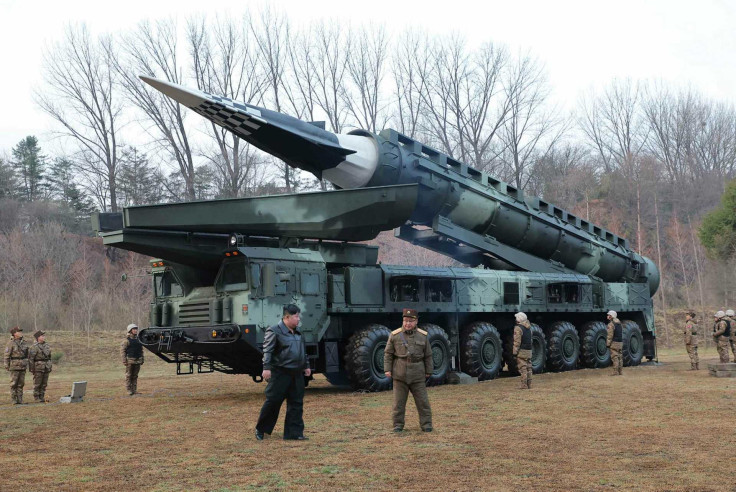
North Korea has dramatically escalated tensions on the Korean Peninsula by firing about 10 ballistic missiles into the sea. It's a response to the annual Freedom Shield joint military exercises being held by the United States and South Korea.
According to South Korea's military, the missiles were launched from the Pyongyang area and travelled eastward, landing in waters outside Japan's exclusive economic zone without causing any damage or casualties.
Pyongyang condemned the drills, which began on 9 March and ran through 19 March, as 'invasion rehearsals.' They believe the exercises are preparation for aggression rather than routine defensive training.
Ballistic Missiles As a Message
According to Sky News, the launch of around ten ballistic missiles was reported on 14 March 2026.
South Korean officials described it as a show of force coinciding with the largest multilateral drills in recent years. These missiles travelled roughly 350 km (about 220 miles) before splashing into the eastern sea.
North Korea's state media and official statements have often linked increased weapons tests to joint exercises on the peninsula, viewing them as a threat to its sovereignty and security. Analysts note that Pyongyang's missile demonstrations, including this volley, are intended both to signal displeasure with the drills and to project strength domestically and abroad.
Even though the missiles didn't hit anyone or cause damage, the launches show how fragile security is in the region. The missile attack also raised concerns among nearby countries like Japan, because the missiles landed close to its protected waters.
What Freedom Shield Means to Each Side
Freedom Shield is one of several large‑scale exercises conducted regularly by the US and South Korea to improve joint defence capabilities, particularly against potential threats from the North. They include simulated scenarios involving land, sea, air, and cyberspace operations, designed to ensure interoperability between the allied forces.
From Washington's and Seoul's perspectives, the drills are meant to be defensive. They are designed to stop attacks and reassure allies, especially as North Korea continues to expand its nuclear weapons and missile programmes. The exercises involve thousands of troops and advanced equipment to prevent war, not start it.
North Korea sees things differently. Its leaders, including Kim Yo Jong, describe the drills as practice for invading their country. They call the exercises a direct threat to their safety and use them to justify their own military tests and weapons development.
The Aftermath of North Korea's Ballistic Missiles
The missile launches could have effects that go beyond just showing military strength. Experts warn that these actions may make diplomatic talks harder, as they increase distrust and reduce the chances of negotiation.
Countries near North Korea, like Japan and Australia, watch missile activity carefully. Even when missiles land in the sea, it can change how prepared militaries are and influence decisions about defence systems and alliances.
South Korea has said the joint drills with the US will continue as planned, stressing that the exercises are for defence, not attack. This puts Seoul and Washington in a tricky position: they need to show they are ready without making tensions worse.
South Korea and North Korea on High Alert
North Korea firing missiles in response shows how deep the security concerns are on the Korean Peninsula. What one side calls routine training, the other sees as a threat.
With the Freedom Shield exercises still happening, both sides are on high alert. Military planners prepare for worst-case scenarios, while diplomats try to keep talks going. If incidents like this happen again, they could make regional security even more unstable and complicate efforts to find a peaceful solution.
© Copyright IBTimes 2026. All rights reserved.
- MOST POPULAR IN World