

Trump Admin Warns Broadcasters: Back Iran War Narrative or Lose Your Media Licence
FCC Chairman Brendan Carr warns broadcasters to alter their coverage or face license renewal challenges.
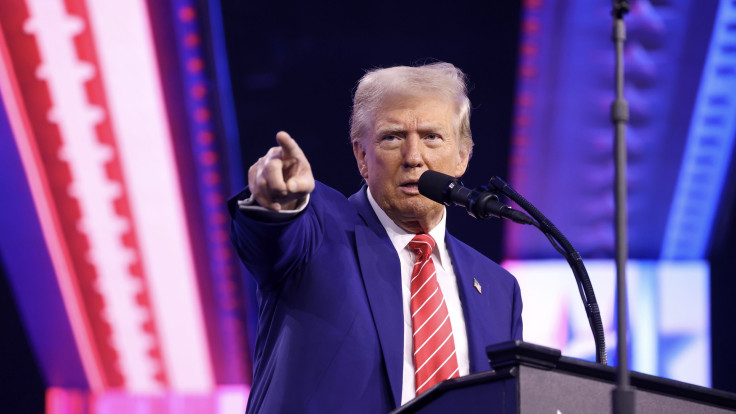
The Trump administration has issued a warning to domestic media organisations over their coverage of the ongoing conflict in Iran, with the Federal Communications Commission (FCC) indicating that broadcasters could face regulatory consequences if their reporting does not better reflect the administration's position on the military campaign.
The move has drawn immediate constitutional challenges, with critics arguing that threatening a broadcaster's licence over its coverage of overseas military action represents a direct attack on press freedom.
FCC Chairman Threatens Licence Renewals
FCC Chairman Brendan Carr has said that broadcasters need to reassess their coverage of the Iran conflict, taking specific aim at networks the administration accuses of spreading misinformation and distorting the news. He indicated that outlets have a limited window to change course before their licence renewals come under review. The warning follows President Trump's public criticism of media coverage that, in his view, disproportionately focuses on American troop casualties at the expense of the broader military strategy.
The result is that domestic broadcasters now face a difficult tension between editorial independence and regulatory compliance.
Legal Justification for Government Intervention
The FCC is using its authority over the public airwaves to press for changes in editorial standards, with federal officials arguing that broadcast networks, as users of public infrastructure, carry an obligation to serve the national interest during armed conflict.
Carr has said the regulatory mandate is legally sound under current statutes. 'Broadcasters must operate in the public interest and they will lose their licences if they do not,' he said. He also argued that changing course was in the commercial interests of the networks themselves. 'Trust in legacy media has now fallen to an all-time low of just 9% and our ratings disasters,' Carr said.
Broadcasters that are running hoaxes and news distortions - also known as the fake news - have a chance now to correct course before their license renewals come up.
— Brendan Carr (@BrendanCarrFCC) March 14, 2026
The law is clear. Broadcasters must operate in the public interest, and they will lose their licenses if they… https://t.co/7bBgnsbalw
First Amendment Concerns
Constitutional scholars and journalism advocates have described the development as a significant challenge to press freedom. The First Amendment prohibits the federal government from taking action against news organisations on the basis of their editorial viewpoints, and legal experts argue that conditioning licence renewals on favourable war coverage would test that prohibition in the courts.
If the FCC follows through, the consequences could reshape how international conflicts are reported to the American public. Broadcasters face fines of up to $500,000 (approximately £375,000) per violation, placing considerable pressure on corporate broadcast executives. Some media lawyers have already indicated that a legal challenge would be likely should the FCC move to act on its warnings. Media companies may also choose to limit critical coverage to avoid regulatory proceedings that could prove financially damaging.
The Battle for the Narrative
As the conflict in Iran continues, major newsrooms are consulting legal counsel to assess their exposure to regulatory action. The reliance on independent reporting as the primary source of war coverage is under strain, with prominent journalists warning that state pressure toward favourable coverage risks obscuring the realities of the conflict.
How broadcasters respond is expected to become one of the defining press freedom questions of the current administration, and a precedent for how wartime media coverage is handled.
© Copyright IBTimes 2026. All rights reserved.
- MOST POPULAR IN World


