

'Just Literally Bomb Them': Trump Discloses Apocalyptic Retaliation Orders If Iran Succeeds in Assassinating Him
Former President Trump outlines drastic measures in response to potential threats from Iran.
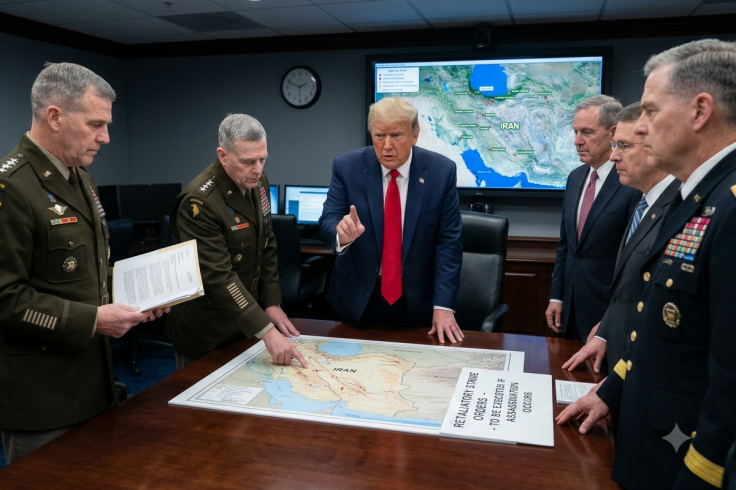
President Donald Trump stated that he has left explicit instructions for the United States to retaliate against Iran in the event of his assassination, specifying that the response should be to 'literally bomb them at levels that they've never seen before.' These remarks were made in an interview published on 10 July 2026, in which Trump again portrayed Iran as a longstanding and ongoing threat to his life.
Trump and the Iran Threat
The news came after reports that Israel had passed intelligence to Washington about a possible Iranian attempt on Trump's life, though Trump dismissed the idea that this amounted to a fresh or imminent plot. 'I've been on their list for a long time. That's what we're dealing with,' he told reports, underlining that he sees the danger as enduring rather than new.
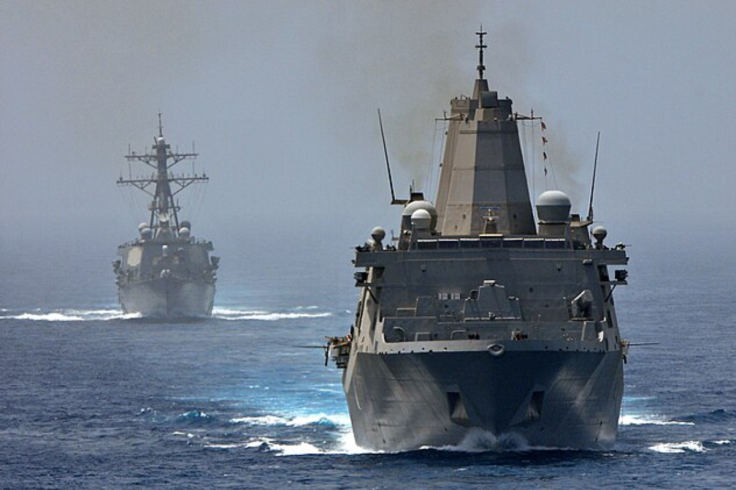
The hostility between Trump and Tehran is rooted in the January 2020 drone strike that killed Iranian commander Qasem Soleimani, an operation authorised by Trump during his first term. Iran has repeatedly threatened retaliation over that killing, and Trump's latest remarks drag that old feud straight back to the surface.
The president's language was characteristically blunt, and, frankly, a bit mad in its escalation. He said he had already set out what should happen if an assassination bid succeeded, leaving no doubt that he wants any retaliation to be overwhelming rather than symbolic.
Bomb Them Orders and Fallout
In an interview, Trump's exact wording was that he had left instructions to 'just literally bomb them at levels that they've never seen before' if anything happened to him. The statement is not a confirmed policy announcement from the Pentagon or the White House, but a direct claim from the president in an interview, and it lands like a warning shot rather than a diplomatic note.
The remarks also arrive at a time when Washington and Tehran are already in a brittle, uneven standoff. Trump said on Friday that the two countries had agreed to continue negotiations, but also declared that their ceasefire was over after renewed hostilities, a description that suggests the diplomatic track remains fragile at best.
That matters because the president's public posture has become increasingly combustible around Iran. Earlier reports have already shown him threatening military action if talks collapse, while Iranian officials have repeatedly warned that any aggression against them would bring severe consequences.
Security Questions Around Trump
The interview also sits beside fresh questions about Trump's own security arrangements. He recently travelled back from this week's NATO summit in Ankara aboard an older presidential aircraft before later transferring to the newly refurbished Boeing 747 donated by Qatar at a US airbase in Britain, a sequence that prompted speculation about whether the replacement jet was ready for full presidential use.
Trump has publicly said the newer aircraft had flown ahead so service members could tour it, but separate reporting raised concerns about whether the hurriedly converted plane had all the defensive systems expected for travel during a heightened threat environment.
There is also a wider security backdrop that makes the timing awkward. In June, federal prosecutors said they had disrupted an alleged plot against the UFC Freedom 250 event on White House grounds, with eight men later indicted over accusations that included conspiracy to provide material support to terrorists and conspiracy to commit murder. The Justice Department did not connect that case to Iran, and the allegations remain only that, allegations.
The White House plot case involved claims of explosive-laden drones, snipers and high-value targets, including Trump, Vice President JD Vance, Israeli Prime Minister Benjamin Netanyahu and Elon Musk. Whether any of that ever stood a chance in court is for prosecutors and juries to decide, but the picture it paints is ugly stuff, and it only feeds the sense that the president is talking in a climate where threats, real or imagined, are no longer abstract.
© Copyright IBTimes 2026. All rights reserved.