Trump Admits Sending Guns to Iranian Protesters as Weapons 'Lost' to Militias in Explosive Claim
Trump's revelation about US arms raises serious concerns over foreign policy and regional stability
A bombshell admission from Donald Trump has sparked outrage after he openly claimed that the United States sent weapons to Iranian protesters, only for them to allegedly vanish into the hands of Kurdish militias.
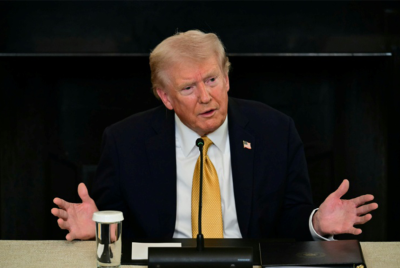
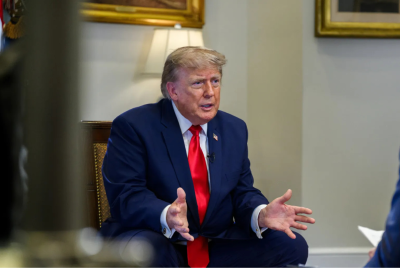
Speaking candidly in a televised interview, Trump revealed that guns were supplied during the height of anti-government unrest in Iran, but suggested the plan may have backfired. His blunt statement that the weapons were likely kept by intermediaries has raised serious questions about oversight, foreign policy, and the risk of fuelling instability in an already volatile region.
Guns Were Sent But Never Reached Protesters
In his remarks, Trump confirmed that the US attempted to arm demonstrators opposing the Iranian government. The weapons were reportedly routed through Kurdish groups operating in the region.
He said, 'We sent them a lot of guns. We sent them through the Kurds. And I think the Kurds kept them.'
The statement has triggered immediate backlash, with critics pointing to the dangers of sending weapons into complex conflict zones with multiple armed actors. Trump doubled down on the claim, repeating that large quantities of arms were dispatched but may never have reached their intended recipients.
The admission effectively confirms direct US involvement in the unrest, something that had long been speculated but never publicly acknowledged at this level.
Iran Protests Turned Deadly and Nationwide
The unrest in Iran began on 28 December 2025, after a dramatic collapse of the national currency triggered widespread anger.
Initially sparked by economic hardship, including soaring inflation and failing public services, protests quickly spread from Tehran's Grand Bazaar to cities across the country. Demonstrators called for sweeping political change and an end to the current system.
The situation escalated rapidly into violent clashes. According to reports, thousands were killed during the crackdown. Ali Khamenei acknowledged significant casualties before his own death in February 2026.
Independent estimates suggested the death toll could be far higher, highlighting the severity of the crisis that unfolded as protests turned into a full-scale national uprising.
Kurdish Militias Caught in the Middle of Claims
The controversy has also placed focus on the Kurdish groups accused of intercepting the weapons.
The Kurdish people are a large ethnic minority spread across several countries, including Iran, Iraq, Turkey, and Syria. Without a state of their own, Kurdish factions have long navigated complex political and military relationships in the region.
In Iran, Kurdish communities have historically clashed with the central government over demands for autonomy and rights. Armed groups have operated in border regions for decades, sometimes engaging in conflict with Iranian forces.
Trump's suggestion that Kurdish intermediaries kept the weapons raises difficult questions about trust, coordination, and the risks of relying on non-state actors in sensitive operations.
The fallout from Trump's comments has been swift, with observers warning that such admissions could have serious diplomatic consequences.
Sending weapons into a protest movement already marked by violence carries significant risks, especially if those weapons are diverted. Critics argue that the claim highlights a lack of control over where the arms ultimately ended up.
There are also concerns about how such actions may impact relations across the Middle East, where tensions remain high and alliances are fragile.
© Copyright IBTimes 2026. All rights reserved.
- Recommended For You