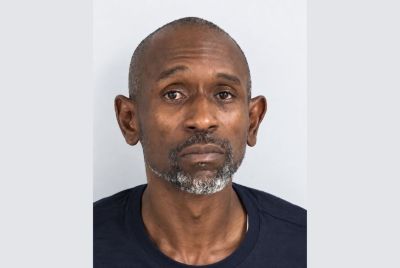
Idaho Shooting Hero Drew Gun After Being Shot, Family Says He Feared Police Misidentification
New police video shows Austin James drew his handgun after being wounded but never fired during the Twin Falls attack
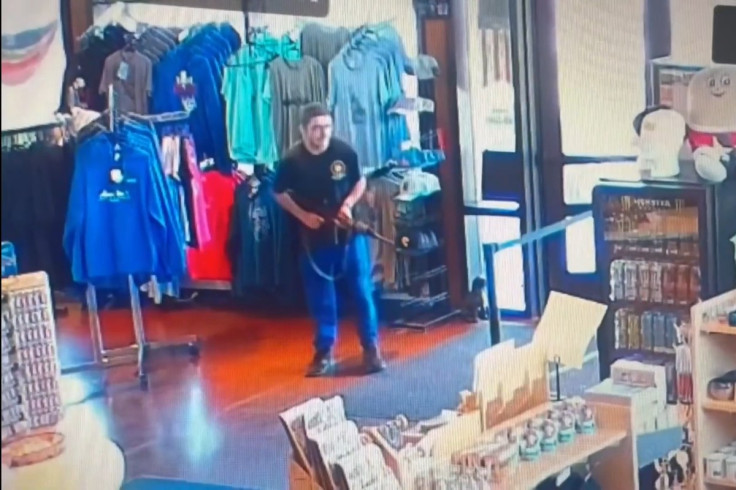
Twin Falls police have released new video of the 1 August Idaho shooting, showing that former officer Austin 'A.J.' James drew his handgun only after he was shot. Police confirmed that James never fired the weapon during the attack that left three people dead and seven others wounded.
James' family said he had kept the gun holstered as he ran towards the shooting, with his father saying that James feared police might mistake him for the attacker. The newly released footage provides the clearest picture yet of the former officer's actions during the chaotic mass shooting at a newly opened In-N-Out restaurant.
Police Timeline Shows James Drew His Gun After Being Shot
Twin Falls Police Chief Matthew Hicks said James ran towards the sound of gunfire, drawing on his previous service with the Twin Falls Police Department and Idaho State Police. Police said he encountered the attacker and became the third person shot, with the updated timeline released on 7 August.
James then drew a pistol from his waistband but did not fire, Hicks said, as bystanders pulled him into a vehicle because he was bleeding heavily. The police update also clarified James' role in the response, noting he was not the off-duty Idaho State Police trooper who exchanged gunfire with the attacker outside the restaurant.
James' father, Marcus James, said his son was armed when he approached the gunfire but 'intentionally did not draw his firearm' at first because he feared police might mistake him for the shooter. His family said the bullet shattered the bone in his upper arm and severed an artery, with his wife, Connie, and a friend treating him at the scene. Both women are emergency room nurses.
James later underwent emergency surgery, according to his family, with a fundraiser set up for him saying he faces further treatment and rehabilitation. The page indicates he could spend months away from work as he recovers from his injuries.
New Video Reconstructs Deadly Twin Falls Attack
The shooting began at about 2:29 pm on 1 August at the newly opened In-N-Out restaurant in Twin Falls, with police saying the 24-year-old gunman opened fire in the drive-through area. The attacker then moved through nearby areas as people tried to escape, ultimately killing three people and wounding seven others.
Police identified the victims as Ashley Garibay, 23, of Stockton, California; Christopher Claunch, 59, of Hagerman, Idaho; and Dale Schultz, 66, of Salt Lake City, Utah. The gunman later died from a self-inflicted gunshot wound near the Snake River Canyon, with investigators believing he acted alone.
The newly released footage shows several people trying to stop or slow the attacker, including an off-duty state trooper who exchanged gunfire with him outside the restaurant. The trooper also helped people escape from the danger zone.
Another armed civilian fired at the attacker after he moved towards Blue Lakes Boulevard, while police also highlighted a bystander who confronted him on a trail near the Twin Falls Visitors Centre. Hicks said that confrontation delayed the gunman, and the pause gave other people time to move away from danger.
Police Continue Search for Gunman's Motive
Investigators have not established a motive for the shooting, with the FBI and Idaho State Police assisting Twin Falls authorities with the investigation. Police continue reviewing evidence and witness accounts, and authorities have not indicated that another suspect was involved.
Hicks said officials would stop using the gunman's name during public updates, stating that the focus should remain on the victims and survivors. The latest police timeline confirms that James eventually drew his handgun after he was wounded, with his family's account explaining why he initially kept it holstered.
Police confirmed that James never fired his weapon during the incident, reinforcing his family's position that his restraint was a deliberate choice rather than hesitation. Law enforcement analysts say that in active shooter situations, civilian restraint can be critical to avoiding misidentification by responding officers.
The investigation into the shooting continues as authorities work to determine what motivated the attack. Police have urged anyone with information to come forward.
© Copyright IBTimes 2026. All rights reserved.
- Recommended For You