

Idaho Is the Only US State to Make Firing Squad Its Default Execution Method — Now It Needs Volunteers to Pull the Trigger
State seeks law enforcement volunteers for firing squads as lethal injection faces challenges
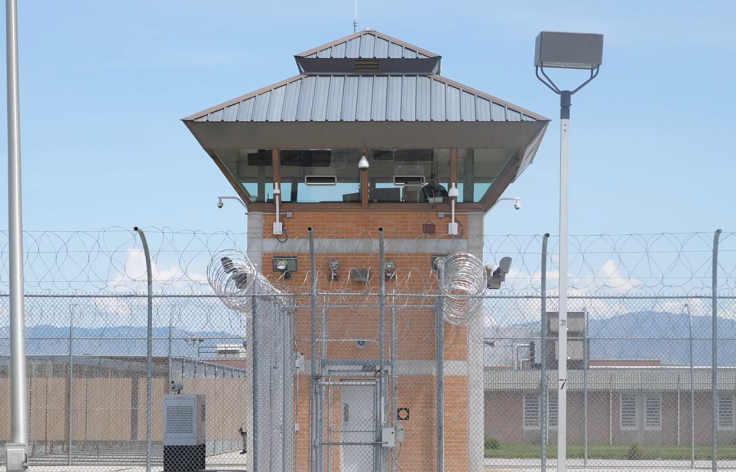
Idaho has become the first and only US state to make death by firing squad its default method of execution, and it is now recruiting trained law enforcement officers willing to volunteer as shooters.
The policy, which took effect on 1 July, marks a shift away from lethal injection after years of botched procedures and difficulties obtaining the drugs required to carry out death sentences. While state officials say the move is intended to create a more reliable and legally compliant system, critics argue it revives a method many associate with an earlier chapter of American history.
The policy has also created a challenge for prison officials: finding trained officers willing to pull the trigger. Under Idaho's newly published execution protocols, the state is seeking specially qualified law enforcement personnel to serve on firing squads, with eligibility requirements designed to ensure accuracy, professionalism and anonymity.
Why Idaho Switched To Firing Squads
Idaho's decision stems largely from problems with lethal injection. Momentum for the change accelerated after the state's failed attempt to execute death row inmate Thomas Eugene Creech in February 2024. Execution personnel spent so much time attempting to establish an intravenous line before the procedure was abandoned, prompting renewed debate over whether lethal injection remained a practical method.
Lawmakers responded by passing House Bill 37, signed by Governor Brad Little in 2025, making firing squads the state's primary execution method from 1 July 2026. Lethal injection remains available only if a firing squad execution cannot be carried out.
State lawmakers backing the legislation argued that firing squads offer a more dependable method of carrying out court-ordered executions, particularly as many states continue to face shortages of lethal injection drugs and legal challenges surrounding their use. Opponents have described the move as a step backwards that risks normalising an execution method many consider unnecessarily violent.
Who Can Volunteer?
Unlike popular portrayals of firing squads, Idaho is not asking members of the public to volunteer. Only certified law enforcement personnel are eligible. The Idaho Department of Corrections will recruit six volunteers consisting of three primary shooters, two alternates and one squad leader responsible for supervising the team and preparing the firearms.
To qualify, volunteers must have at least three years of POST certification, demonstrate advanced firearms proficiency and pass live-fire marksmanship tests that simulate the conditions of an actual execution.
Additionally, the volunteers should not have firearms- or use-of-force-related disciplinary action within the previous 12 months. They should not have any blood or legal relationship to either the condemned inmate, the inmate's family or the victim's relatives.
How Are Volunteers Selected?
Meeting the minimum qualifications does not guarantee selection. Applicants must pass a live-fire qualification in which they are required to hit a target matching the size and position of the execution target without missing. Any volunteer who fails to place a single accurate shot is immediately disqualified.
Those chosen are then required to participate in regular training sessions and execution rehearsals using state-issued rifles. Once an execution warrant is signed, rehearsals become more frequent, with multiple training exercises scheduled in the days immediately before an execution.
The identities of all firing squad members are protected by law and are known only to the director of the Idaho Department of Corrections and one senior deputy, a measure intended to shield volunteers from public scrutiny and potential retaliation.
How Are Volunteers Selected?
Meeting the minimum qualifications does not guarantee selection. Applicants must pass a live-fire qualification in which they are required to hit a target matching the size and position of the execution target without missing. Any volunteer who fails to place a single accurate shot is immediately disqualified.
Those chosen are then required to participate in regular training sessions and execution rehearsals using state-issued rifles. Once an execution warrant is signed, rehearsals become more frequent, with multiple training exercises scheduled in the days immediately before an execution.
The identities of all firing squad members are protected by law and are known only to the director of the Idaho Department of Corrections and one senior deputy, a measure intended to shield volunteers from public scrutiny and potential retaliation.
© Copyright IBTimes 2026. All rights reserved.