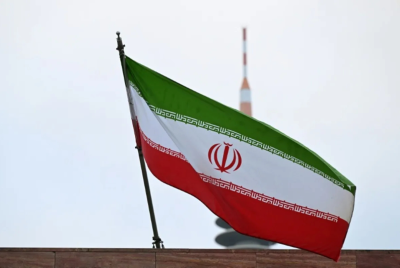
Rubio Calls Iran's Hormuz Blockade Illegal — Warns It Will Reopen 'One Way or the Other' as US Strikes Iran Again
US military actions and diplomatic negotiations intensify over the strategic Strait of Hormuz

US Secretary of State Marco Rubio warned that the Strait of Hormuz 'has to be open, one way or the other' following recent American strikes targeting Iranian military assets near the strategic waterway. His remarks came as tensions between Washington and Tehran escalated again despite ongoing diplomatic negotiations aimed at easing the conflict.
The Strait of Hormuz remains one of the world's most critical shipping corridors, carrying a significant portion of global oil exports. Any disruption in the passage can immediately affect energy markets, shipping operations, and international trade.
Rubio's latest comments signaled that the United States considers unrestricted navigation through the strait a non-negotiable priority.
US Defends New Military Action
According to the US Central Command, American forces launched what officials described as 'defensive' strikes against Iranian targets in southern Iran, which, according to the US Central Command, were meant 'to protect our troops from threats posed by Iranian forces.'
The attacks reportedly hit boats allegedly involved in laying naval mines and missile launch sites believed to threaten US aircraft and maritime traffic near the Strait of Hormuz.
Navy Captain and Central Command spokesperson Tim Hawkins said in a statement, 'US Central Command continues to defend our forces while using restraint during the ongoing ceasefire,' per Reuters.
Another Reuters report indicates that Iran accused Washington of violating a fragile ceasefire arrangement that had reduced hostilities for several weeks. Iranian officials argued that the latest strikes undermined ongoing negotiations intended to restore calm and reopen commercial shipping routes in the Gulf region.
Rubio Says Hormuz Must Stay Open
Speaking to reporters while travelling in Jaipur, India, Rubio stressed that maritime access through the strait could not remain restricted. He said that negotiations with Iran were still underway and acknowledged that reaching a final agreement may take several more days.
SECRETARY RUBIO: The straits have to be open. What’s happening there is illegal. It’s unsustainable for the world and it’s unacceptable. pic.twitter.com/5lQHIxjnNK
— Department of State (@StateDept) May 26, 2026
'The straits have to be open, they're going to be open one way or the other, so they need to be open,' Rubio said to reporters via Reuters.
Although Rubio did not explicitly outline additional military plans, his statement suggested that the United States is prepared to ensure the waterway remains operational regardless of Iranian resistance.
Global Concerns Over Energy Supplies
The renewed confrontation has intensified concerns about global oil markets. Analysts and governments have closely monitored developments in the Strait of Hormuz because a large share of the world's crude oil and liquefied natural gas passes through the narrow channel connecting the Persian Gulf to international waters.
Oil prices have fluctuated sharply in recent weeks as investors reacted to reports of military exchanges, ceasefire talks, and possible shipping disruptions. International observers fear that a prolonged standoff could further strain global fuel supplies and increase transportation costs across the globe.
Diplomacy Continues
Despite the recent violence, diplomatic talks involving US and Iranian representatives reportedly continue in Doha. Negotiators are working on a framework that could reopen shipping lanes, reduce military tensions, and potentially address disputes involving Iran's nuclear activities and sanctions relief.
Rubio indicated that discussions remain active, though he cautioned that finalising the language of any agreement would require more time. Meanwhile, Iran has continued to criticise US military operations while demanding guarantees related to sanctions and frozen financial assets.
© Copyright IBTimes 2026. All rights reserved.
- Recommended For You