From WAG to Mogul: The Billion-Dollar Brand Empire Behind the World's Ultimate Football Partners
Once defined by proximity to fame, modern football partners are now independent digital powerhouses commanding six-figure sums for global brand campaigns.
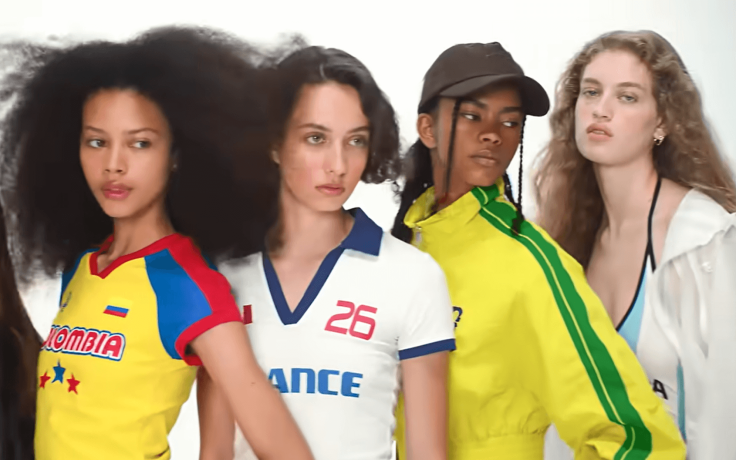
The days of football partners simply cheering from the stands are long gone. Today, the world of WAG influencer economy has evolved into a highly structured digital market where attention serves as the primary currency.
For the modern generation of partners linked to elite athletes, the stadium is no longer just a venue for a match; it is a launchpad for football partner brand endorsements that now generate millions in annual revenue.
In this high-stakes arena, Instagram sponsorship rates for top-tier creators often range from £4,000 to over £20,000 per post, depending on audience engagement and niche alignment. Yet, for the most prominent figures, these numbers are merely the entry point. When bundled into long-term luxury brand partnerships, total campaign values frequently climb into the six and seven-figure territory.

A Hidden Economy Built On Visibility
Influencer marketing experts cited in recent reports note that top-tier football partners can command five to six-figure deals when posts are bundled into campaigns. These include sponsored appearances, lifestyle content, and long-term brand ambassadorships.
This is the foundation of WAG social media earnings: a system in which exposure at stadiums, travel moments, and curated personal lives become monetisable assets. What looks like lifestyle content is often structured as brand inventory.
Lindsey Cook, Co-CEO of The Digital Dept, explained that social platforms have 'opened up the possibilities tenfold' for this generation of partners, turning match-day visibility into global reach.
The Market Map Behind WAG Influencer Money
The WAG ecosystem can be understood as a layered economy rather than a single category. At the top are globally recognised figures with established fame. Beneath them are mid-tier influencers with strong regional followings. At the base are emerging partners building audiences through consistent lifestyle content.
Money flows through three main channels: direct brand partnerships, agency-managed campaigns, and long-term ambassador contracts.
This structure drives the modern market for footballers' wives and girlfriends influencers, where agencies now actively package athletes' partners as media-ready talent.
Why Football Dominates The Influencer Economy
Football creates a uniquely global stage. Unlike most sports, it has an audience that spans Europe, South America, the Middle East, and, increasingly, the United States. That global visibility amplifies every personal narrative attached to elite players.
This is why the rise of sports influencer culture is most visible in football compared to other leagues. Stadium appearances are broadcast, social media engagement is constant, and transfer culture ensures continuous relocation and fresh audiences.
Brands follow that attention cycle closely, especially in fashion, beauty, and luxury sectors.
From Shop Floors To Global Campaigns
Few transformations illustrate this economy more clearly than Georgina Rodríguez.
Georgina Rodríguez began her career working in retail in Madrid. Today, she is a global ambassador for luxury brands, a subject on Netflix, and a fashion-industry presence with millions of followers.
Her trajectory reflects the full potential of football partner-brand endorsements, where visibility attached to elite players becomes a launchpad for an independent commercial identity.
Another major figure is Antonela Roccuzzo.
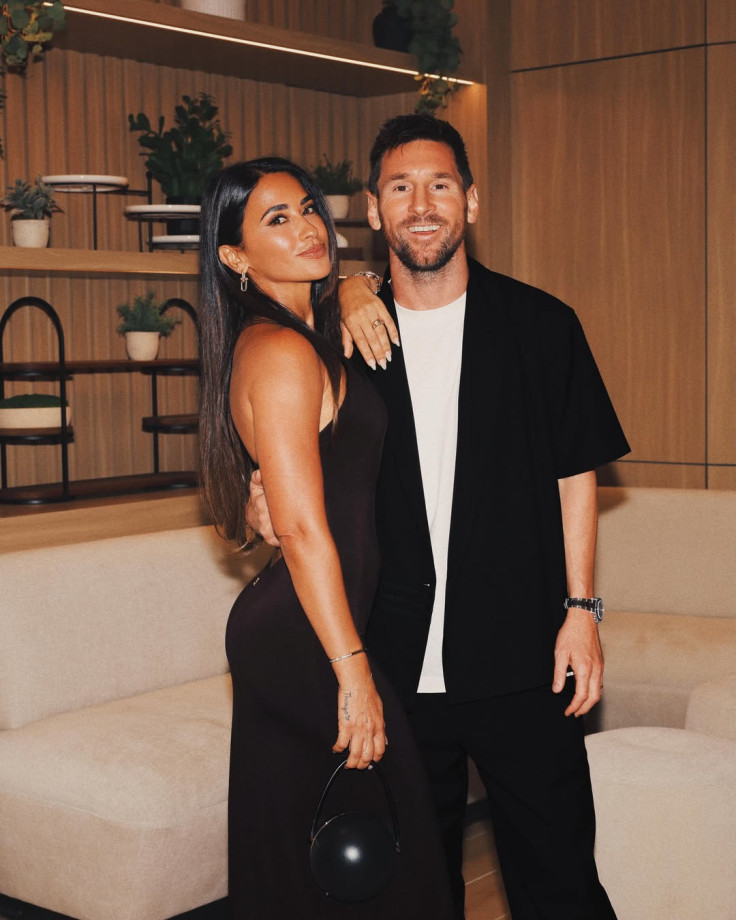
Antonela Roccuzzo has built a strong personal brand alongside Lionel Messi's global career. Her partnerships with Adidas, Louis Vuitton, and Alo Yoga demonstrate how long-term visibility translates into sustained commercial positioning.
Meanwhile, Brazil's Bruna Biancardi has built an audience around motherhood and lifestyle content.
Bruna Biancardi represents a growing category of WAG influencers who rely less on luxury aesthetics and more on relatable digital storytelling.

The Tier System Shaping Earnings
Within the WAG influencer space, earnings vary dramatically. Mid-tier creators may earn thousands per post, while top-tier influencers with millions of followers can secure bundled deals reaching six figures.
These differences depend on engagement, audience geography, and brand alignment rather than follower count alone. Agencies increasingly evaluate WAG influencers like traditional media assets, not lifestyle personalities.
Controversy And Credibility In The WAG Economy
Despite its growth, the industry is not without tension. Some public figures resist the influencer label entirely, even while participating in brand partnerships. This contradiction highlights the blurred line between personal identity and monetised visibility.
There is also ongoing debate around whether WAG fame represents empowerment or proximity-based influence. Critics argue that visibility remains tied to male athletes, while supporters point to entrepreneurial independence and financial autonomy.
The WAG influencer economy is strongest in Europe and South America, where football is deeply embedded in cultural identity. In contrast, American sports culture has not produced the same scale of monetised football partner visibility.
The Future Of WAG Influencers
As football continues to globalise, the WAG influencer economy is expected to expand further. Rising interest in players, combined with algorithm-driven social media platforms, ensures sustained demand for personal, behind-the-scenes content.
What began as passive visibility has become a structured financial system. And for many, the path from stadium stands to global brand campaigns is no longer exceptional; it is increasingly the blueprint.
© Copyright IBTimes 2026. All rights reserved.
- Recommended For You