

Victor Willis Dies Aged 74: How Village People's 'YMCA' Star Embraced the Song's Unlikely Political Revival
Victor Willis: YMCA co-writer leaves behind global disco and cultural legacy
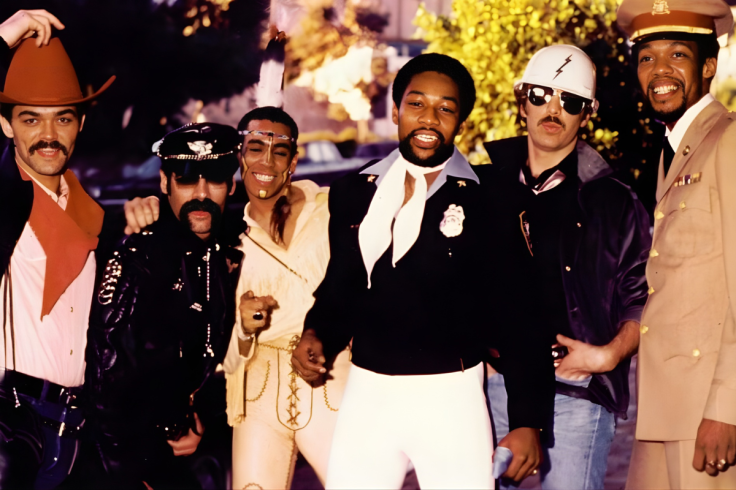
Victor Willis, the lead singer and co-writer of the Village People's global disco hit 'YMCA,' has died aged 74 following an illness, according to reports confirming his passing.
His death marks the end of a career that helped shape one of the most recognisable songs in modern pop culture and later saw the track take on an unexpected political life decades after its release.
Willis was best known as the original voice behind 'YMCA', the 1978 single that became a worldwide hit and remains one of the most enduring songs of the disco era. It has amassed hundreds of millions of streams and views across platforms and continues to feature prominently at sporting events, public celebrations and cultural gatherings in the United States, the United Kingdom and Australia.
Victor Willis and the Rise of YMCA with Village People
Willis helped establish the Village People's musical identity at the height of the disco movement, serving as the group's lead singer during its breakthrough years.
Co-written by Willis, 'YMCA' quickly became a defining anthem of the late 1970s, achieving international chart success and cementing the group's place in pop culture history.
The song's popularity extended far beyond radio airplay, becoming a fixture at stadiums, parties and public events around the world. Its simple choreography and call-and-response chorus helped ensure its longevity, with audiences still performing its signature arm movements decades after its release.
YMCA's Global Longevity and Cultural Staying Power
More than 45 years after its release, 'YMCA' remains a staple of global entertainment culture. The track continues to rank among the world's most recognisable party anthems and regularly attracts significant streaming numbers, particularly during major sporting events and international tournaments.
Its enduring appeal has kept the Village People firmly embedded in popular culture long after their commercial peak, with 'YMCA' frequently resurfacing in viral videos, advertisements and large-scale public events.
How YMCA Became an Unlikely Political Anthem
In recent years, 'YMCA' took on an unexpected second life as a political rally anthem, particularly in the United States. The song became a regular feature at campaign events, where its upbeat energy and audience participation made it a popular soundtrack for large gatherings.
Its use in this context created a striking contrast with its original disco-era roots, prompting renewed debate about how popular music can be reinterpreted in different cultural settings.
Victor Willis' Response to Political Use of YMCA
Willis publicly acknowledged the song's political use in interviews and public statements, noting its continued popularity while maintaining that 'YMCA' was originally intended as a light-hearted, dance-focused song rather than a political statement.
His comments reflected the evolving identity of the track, which has moved between entertainment, sport and politics while retaining its status as one of the world's best-known pop songs.
Legacy of a Disco-Era Cultural Landmark
Beyond 'YMCA', Willis' work with the Village People helped define one of the most distinctive acts of the disco era, renowned for its theatrical performances and broad appeal.
The group's success contributed to the worldwide popularity of disco during the late 1970s and early 1980s, while the enduring success of 'YMCA' continues to highlight Willis' lasting influence on popular music.
A Song That Outgrew Its Era
Victor Willis' death at 74 closes the chapter on a musician whose work extended far beyond its disco origins.
'YMCA' remains one of the most recognisable songs in modern music history, continuing to feature across entertainment, sporting and political events in the UK, US and Australia. Its lasting cultural presence ensures Willis' legacy will continue to resonate with audiences for generations to come.
© Copyright IBTimes 2026. All rights reserved.