Catfish Victim Wins £10K After Woman Used Her Photos to Trick Men Into Believing She Was Their Girlfriend
Welsh student secures landmark High Court compensation as online impersonator admits to years of calculated harassment
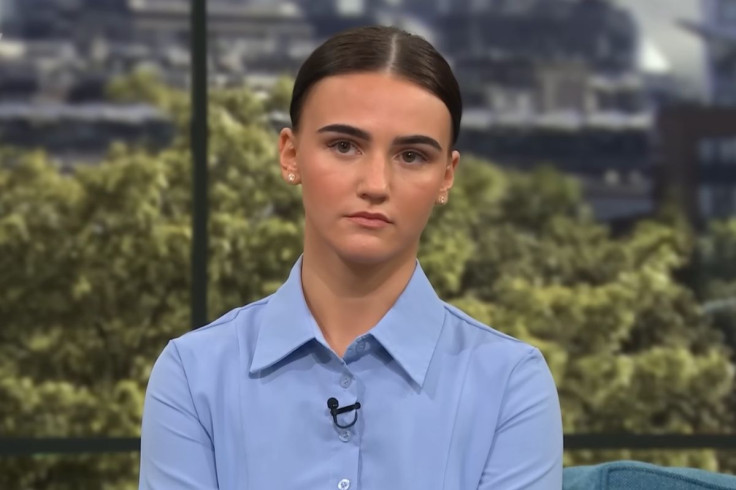
A 19-year-old student from Aberdare, Wales, Sasha-Jay Davies, has been awarded £10,000 in damages following a High Court battle against a persistent online impersonator who stole her identity to deceive thousands of social media users.
The settlement marks a significant moment in the fight against online identity theft in the UK, as the defendant, Elha Mai Weston, admitted to a four-year campaign of harassment that involved creating fake profiles on platforms including Tinder, Instagram, and TikTok.
Court documents state that the victim's photos were used across social media and dating platforms, attracting more than 100,000 followers and leading to several confrontations, per BBC.
For Davies, the ruling provides a measure of closure after years of living in fear, with the court acknowledging the 'very significant distress and suffering' caused by the deception. While the legal victory offers financial compensation, it also highlights the harrowing reality of how easily personal images can be exploited in the digital age, leaving victims to face the emotional fallout of reputations stolen by strangers.
The case has drawn attention to the lasting impact of 'catfishing,' a term for when someone creates a fake identity online using another person's photos to deceive others.
Four Years of Online Impersonation
The High Court in London heard that Weston, also 19, admitted carrying out a campaign of impersonation against Davies lasting four years. After apologising, Weston agreed to pay Davies £10,000 in damages, and she is prevented from further contacting Davies or repeating the offence.
According to reports, Weston's impersonation of Davies began when the victim was only 16 years old. Court documents show that fake profiles using her photographs appeared on platforms such as Tinder, Instagram, Hinge, Snapchat, Facebook, and TikTok between 2022 and 2026 where Weston went by the names 'Sophie' and 'Sophie Kadare.' Weston also used AI-generated images that resembled Davies. All of the accounts used amassed a following of over 100,000 people.
Speaking to BBC, Davies said around 20 different men and women messaged her on social media saying they knew her. She said the confrontations have made her feel anxious every time she would get approached by strangers. 'I've had boys approach me in person, harassing me and accusing me of texting them, leading them on, or making plans to meet up, alongside conversations I never had,' she told BBC.
After flagging the first fake account on the platform TikTok in 2022, Davies made her personal accounts private, but Weston carried on posting old photographs of Davies, including AI-edited images. The social media comments have reportedly made Davies feel 'really uncomfortable' and 'violated.'
'The level of calculation and malice behind this is something I struggle to understand. They know absolutely everything about me,' Davies said.
Legal Action Finally Ends Abuse
Davies and her legal team from Cohen Davis Solicitors used open-source intelligence techniques to eventually identify Weston as the person behind the fake accounts after the impersonation continued despite flagging fake accounts to police and social media companies. Weston's identification paved the way for civil proceedings in the High Court in London.
The Court heard Weston admitting her role in the deception, saying that her 'conduct was wrongful,' while also admitting she had caused Davies 'very significant distress and suffering.' She also told the Court she 'deeply regrets her actions and apologises to Miss Davies wholeheartedly and unreservedly for everything she has been put through.'
The case has raised concerns about the ease with which photographs can be taken from social media and used to build convincing fake identities. Legal experts involved in the case noted that while 'catfishing' itself is not a standalone criminal offence in the UK, related conduct such as harassment, misuse of personal information and other unlawful acts can lead to civil or criminal action depending on the circumstances.
For Davies, the £10,000 settlement is a vital step in reclaiming her life, yet the case stands as a warning to social media users everywhere about the persistent dangers of digital identity theft.
© Copyright IBTimes 2026. All rights reserved.
- Recommended For You