Diane Abbott, Joani Reid Reinstated to Labour After Petition and China Spy Arrest Fallout
Two Labour MPs, two separate suspensions, one same-day return to the party.
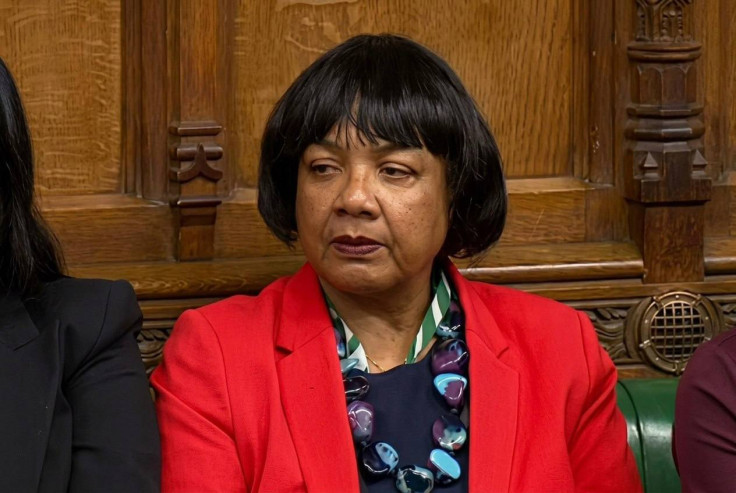
Labour MP Diane Abbott has had the party whip restored after a long-running row over her remarks on racism, as Labour also readmits Joani Reid following a separate China espionage controversy. The decision closes two sensitive party rows that had put both MPs under intense scrutiny.
Abbott had been suspended over comments about racism, while Reid stepped back after her husband was arrested on suspicion of spying for China. Labour confirmed both women would be readmitted to the parliamentary party.
BREAKING: Joani Reid and Diane Abbott have had their suspensions lifted by the Labour Party 🚨 pic.twitter.com/OCFvmDoU91
— The National (@ScotNational) July 30, 2026
Why Abbott's Suspension Dragged On
Abbott's case began in April 2023, when she wrote a letter to The Observer suggesting that prejudice experienced by Jewish, Irish and Traveller people was different from the racism faced by Black people. Labour suspended her after the letter, and she later apologised and withdrew the remarks.
The row did not disappear. In 2025, Abbott was suspended again after a BBC interview in which she stood by parts of the original argument, and Reuters reported that Labour moved again because the party wanted to be seen as consistent on racism and antisemitism.
This is the clip of my interview. pic.twitter.com/I5UR2yF2oL
— Diane Abbott (@HackneyAbbott) July 17, 2025
BBC Newsnight later said Labour's earlier investigation into Abbott's comments had been completed in December 2023, with the MP given a formal warning and asked to complete an antisemitism awareness course.
That detail helps explain why the issue remained unresolved in public debate and why her reinstatement has stayed politically sensitive. The investigation had concluded months before the second suspension, yet the party chose to act again when Abbott repeated elements of her original position on live television.
Abbott's return now brings that long-running internal dispute back into the parliamentary fold. It also removes uncertainty over whether the veteran Hackney North and Stoke Newington MP would remain outside the party for longer. Her supporters have long argued that she was treated more harshly than other MPs who made controversial statements, a claim Labour has never formally addressed.
Reid and the China Espionage Fallout
Reid, the MP for East Kilbride and Strathaven, had voluntarily suspended herself from the Labour whip in March after her husband's arrest on suspicion of spying for China. Reid's husband, David Taylor, was among three men arrested on suspicion of assisting a foreign intelligence service, police said at the time.
Reid said she had seen nothing to suggest he had broken the law. She told media she had 'never seen anything to make me suspect my husband has broken any law' and that she was not part of his business activities. BBC reporting also said she told journalists she had never been to China and was not under police investigation herself.
Reid said her family had been put through 'the worst few weeks' of their lives, and she insisted she was not under investigation herself. The episode was difficult both personally and politically, because it placed a sitting MP beside a national-security inquiry without any accusation against her personally.
A statement on my return to the PLP. pic.twitter.com/YyxwjngTAK
— Joani Reid MP (@JoaniReid) July 30, 2026
The case raised uncomfortable questions for Labour about how to handle MPs whose family members become entangled in serious criminal investigations. Reid's decision to step back voluntarily was seen by some as a pragmatic move to avoid the party being dragged into the security story, though it left her constituents without a Labour representative for months.
She was later readmitted to Labour alongside Abbott. That closed off two separate disciplinary rows at once and returned both MPs to the parliamentary party after months of scrutiny, headlines and speculation.
Labour Closes Two Rows at Once
The twin reinstatements bring together two separate disciplinary episodes that had become an embarrassment for Labour. Abbott's case centred on comments about racism, while Reid's was tied to the fallout from the China espionage arrests involving her husband.
For the party, the move draws a line under two internal investigations at a time when discipline and control remain politically important. Sir Keir Starmer has made cleaning up Labour's image a central pillar of his leadership, and these cases tested whether his commitment to zero tolerance on antisemitism would survive contact with a veteran MP and ally of Jeremy Corbyn.
For Abbott and Reid, it marks a return to the parliamentary party after months of scrutiny, headlines and speculation. Abbott, Britain's first black female MP and a figure of immense symbolic importance to the Labour left, now faces the question of whether she can rebuild her parliamentary career after two suspensions in quick succession.
Reid, a newer MP, must navigate the lingering public interest in her husband's case while resuming her constituency duties. Neither MP has indicated whether they will seek to challenge the party's leadership on the issues that led to their suspensions, but both are now entitled to vote on legislation and participate fully in parliamentary business.
Both MPs are now expected to return to parliamentary duties. But the political risks that surrounded their suspensions — Labour's handling of racism complaints and the security questions raised by Reid's husband's case — are unlikely to disappear entirely.
© Copyright IBTimes 2026. All rights reserved.
- Recommended For You