Keir Starmer Resigns as PM and Labour Leader, With Andy Burnham Emerging as Likely Successor
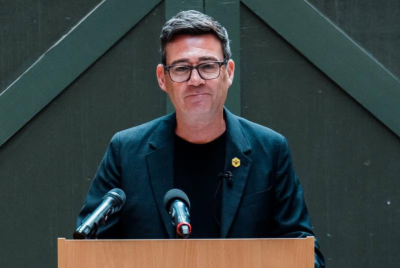
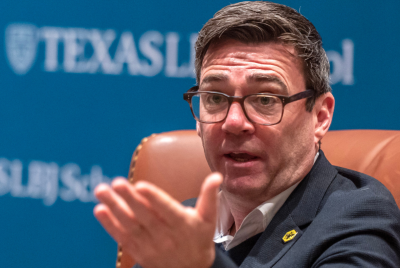
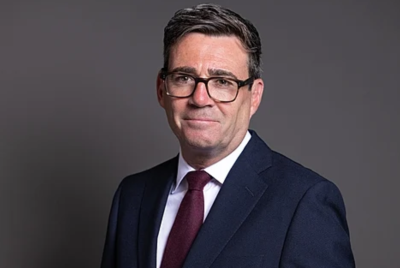
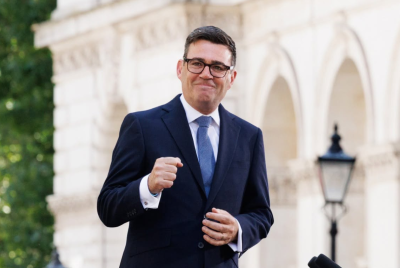
Andy Burnham emerges as the frontrunner to succeed Starmer after his unexpected resignation.
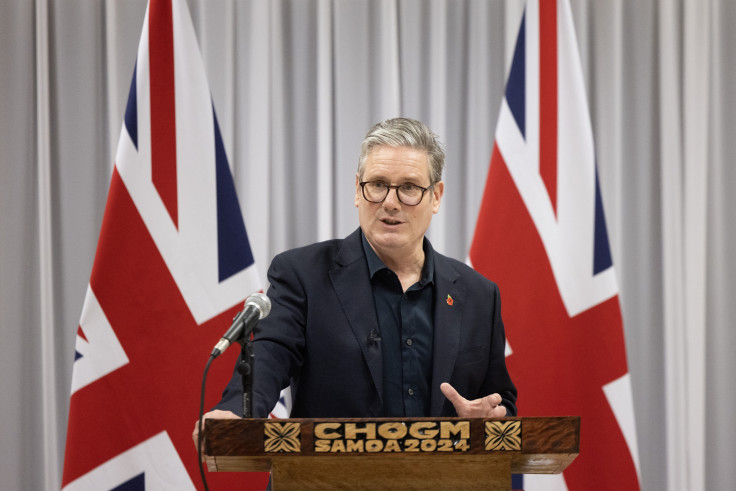
Keir Starmer has announced his resignation as prime minister and leader of the Labour Party, bringing an abrupt end to a premiership that began with Labour's landslide election victory in July 2024. He will remain in office as caretaker prime minister until Labour chooses a successor, with the party now expected to launch a leadership contest on 9 July and aim to have a new leader in place by September.
Speaking outside 10 Downing Street on Monday, Starmer said he would step aside after mounting pressure from within his own party. Labour's leadership contest is now expected to centre on who can secure the support needed to enter the ballot, while Andy Burnham's return to Westminster has made him the name most closely associated with the succession race.
Speculation about Starmer's future intensified over the weekend after growing numbers of Labour MPs publicly questioned whether he remained the right person to lead the party into the next general election. Burnham's Makerfield by-election victory, which brought him back into Westminster, sharpened those conversations and fuelled expectations of a swift transition rather than a drawn-out leadership battle.
Standing outside Downing Street alongside his wife, Victoria, Starmer reflected on his journey to power and the achievements he believes defined his leadership, saying that walking up Downing Street two years ago had been 'the proudest moment of my life.'
The outgoing prime minister also defended his record in office, arguing that he inherited a Labour Party that was 'politically, financially and morally bankrupt' and saying he had rebuilt public trust in key areas including the economy, defence and national security.
Most notably, Starmer pointed to his efforts to reform Labour internally, saying he had succeeded in 'ripping out the poison of anti-Semitism' from the party.
Keir Starmer Accepts Labour's Verdict
The pivotal moment came when Starmer acknowledged that many within Labour no longer believed he was the best person to lead the party into another election campaign.
He said the question facing Labour was whether he remained best placed to lead the party into the next general election.
'I have heard the answer,' Starmer said. 'And I accept that answer with good grace.' He added that every major decision he had taken while in office had been guided by one principle.
'Every decision I have taken has been about putting the country I love first.'
In his resignation speech, Starmer thanked his wife, whom he described as a 'rock,' and spoke about his desire to spend more time with his family.
He said he wanted to be 'the best dad I can be to my beautiful children, who are my pride and joy'.
Even some allies who had urged him to consider stepping aside acknowledged that the move represented a remarkable political reversal just two years after his election victory.
BBC political correspondent Nick Eardley described it as extraordinary that a prime minister who had delivered such a decisive general election win was now leaving office so soon afterwards.
Andy Burnham Becomes the Focus of Labour's Future
Attention is already shifting towards what comes next and, more specifically, towards Andy Burnham.
The newly elected MP for Makerfield is expected in Westminster on Monday to be formally sworn into the House of Commons following last week's by-election victory. Inside Labour, many figures reportedly anticipate what has been described as a 'coronation', meaning Burnham could emerge as the sole serious candidate to replace Starmer.
Several Labour MPs have publicly argued for a smooth transition rather than a divisive leadership contest.
Labour MP Anna Dixon said she hoped Starmer would step aside without triggering a lengthy battle, arguing that Burnham had already demonstrated his credentials through decades in politics, previous cabinet experience, and nine years as Mayor of Greater Manchester.
While no formal timetable for a leadership transition has yet been announced, discussion within Labour has centred on the possibility of Burnham taking over around the party's conference season later this year. Some of his supporters, however, are said to favour a faster handover.
For now, the only certainty is that Starmer's resignation closes one chapter of Labour's recent history while opening another. The party that celebrated a commanding return to power in 2024 must now decide who will carry its project forward.
© Copyright IBTimes 2026. All rights reserved.
- Recommended For You