Deadly Week for Extreme Sports: Yemen's 'Spider-Man' Falls into Volcanic Crater as Brazil Bungee Horror Unfolds
Two viral extreme-sports tragedies in Yemen and Brazil unfolded within 48 hours of each other.
Two extreme-sports tragedies on opposite sides of the world have gone viral within days of each other, reigniting debate about risk-taking, safety standards, and the growing influence of social media on adventure culture.
In Yemen, 30-year-old free solo climber Al-Qaqa Ibn Antar—known online as the 'Spider-Man of Yemen'—died after falling into a volcanic crater while scaling its steep walls without safety equipment on 12 June.
Just a day later in Brazil, 21-year-old student Maria Eduarda Rodrigues de Freitas was killed during a rope-jumping excursion when instructors allegedly launched her from a bridge without attaching the safety cord, triggering a criminal investigation.
Yemen's 'Spider-Man' Dies After Volcano Fall
Antar, 30, built a large online following by scaling cliffs, mountains, and volcanic formations across Yemen without ropes, harnesses, or other safety equipment.
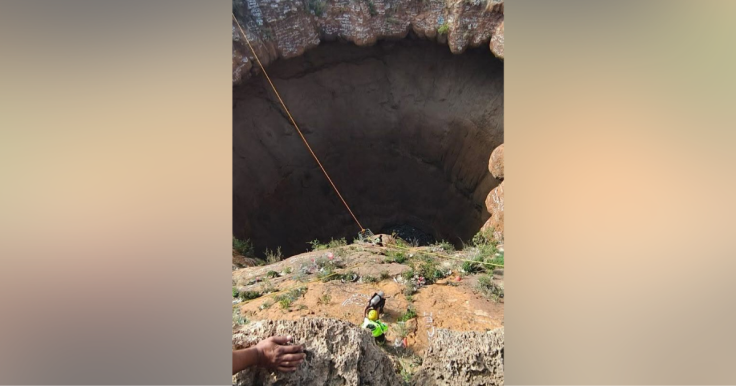
His fatal accident occurred on 12 June at the Hardah Dam volcanic crater near Damt in Yemen's southern Dhale province. The crater is approximately 120 metres (393 feet) deep and contains a sulphur-rich lake at its base.
🔴 A man known as "Spider-Man" in Yemen has died after falling while climbing inside the crater of an extinct volcano. pic.twitter.com/O1F8jiJyPx
— Daily Pulse 🌍 (@DailyPulse00) June 13, 2026
A video released by Yemen's Civil Defence Authority shows Antar climbing the crater's steep inner wall before suddenly losing his grip and plunging into the water below. The clip spread rapidly across social media platforms, drawing millions of views.
Rescue crews faced hazardous conditions, including steep terrain, hot, sulphurous water, and toxic gases rising from the crater. Authorities said that specialised teams eventually recovered his body from deep beneath the lake's surface after a lengthy operation.
Antar had climbed the site multiple times before and was widely admired for showcasing Yemen's natural landmarks through his daring stunts.
Brazil Bungee-Jumping Tragedy
Just a day later, another fatal accident shocked social media users in Brazil.
Maria Eduarda Rodrigues de Freitas, a 21-year-old physical education student, died during a rope-jumping excursion at Ponte do Esqueleto, or 'Skeleton Bridge,' in Limeira, São Paulo state.
According to investigators, Freitas was launched from the bridge in a Superman-style jump, but the safety rope had allegedly not been attached to her harness.
Videos circulating online show instructors lifting her into position moments before she fell approximately 40 metres (131 feet) to the ground below.
Witnesses and an off-duty nurse attempted lifesaving measures, but reportedly it was too late.
According to reports, Brazilian authorities initially detained six people for questioning. Three instructors or organisers have since been arrested and accused of homicide with eventual intent, a charge used when someone proceeds despite being aware of a substantial risk of death.
Tragedies Spark Debate Over Extreme Sports Risks
While the incidents are unrelated, their close timing has sparked widespread discussion about safety in adventure sports.
Antar's death highlights the dangers of free solo climbing, where participants intentionally climb without protective gear. The Brazilian case, meanwhile, has focused attention on oversight, training, and safety procedures in organised extreme-sports activities.
Both incidents generated global attention because of the dramatic videos that captured the moments before the fatalities.
Tributes have poured in for both victims, while officials in Yemen and Brazil have urged adventurers and operators to prioritise safety.
© Copyright IBTimes 2026. All rights reserved.
- Recommended For You