Charlie Kirk Investigation: Candace Owens Claims FBI is Using a 'Flawed' Forensic Technique Dropped in 2005
Candace Owens claims FBI uses flawed, discontinued bullet test in Kirk case

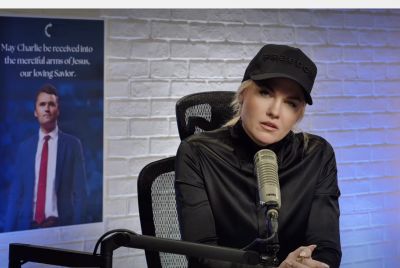
Political commentator Candace Owens has raised concerns over the ballistic evidence in the investigation of conservative activist Charlie Kirk's assassination, claiming in a recent episode on her YouTube page that the FBI is relying on a 'flawed forensic technique' she says was abandoned years ago.
Owens made the remarks while discussing the inconclusive results of ballistic testing in the case against Tyler Robinson, the 22-year-old charged with killing Kirk at a Turning Point USA event at Utah Valley University in September 2025.
Recent court filings show that ballistic analysis by the Bureau of Alcohol, Tobacco, Firearms and Explosives (ATF) could not conclusively link the bullet recovered from Kirk's body to the rifle recovered at the scene. The FBI is reportedly conducting additional testing to further examine the evidence, per WMBF News.
Owens' Claims on Forensics
Owens suggested in her YouTube episode that the inconclusive ballistic findings may indicate reliance on outdated or flawed methods. She referenced concerns historically associated with comparative bullet-lead analysis (CBLA), a technique once used in forensic investigations but discontinued by the FBI in 2005 after experts criticised its scientific validity.
Owens explained, 'We find out that the CBLA, the compositional analysis, is a discontinued forensic technique that analyzed trace elements- copper, arsenic in lead- to link crime scene bullets to suspects. It was primarily used by the FBI from the 1980s until 2004, but it was then abandoned in 2005 due to flawed scientific, statistical, and interpretive validity.'
While Owens frames her critique around this theory, there is no verified reporting confirming that the FBI has revived or is currently using the old technique in the Kirk case investigation. According to Forensic Magazine, inconclusive ballistic results are relatively common when bullets fragment on impact, as microscopic striation patterns may not be sufficient to produce a definitive match.
Public Reaction and Media Coverage
Owens has amplified her claims on social media and YouTube, questioning the handling of forensic evidence and suggesting that the bullet may not definitively link Tyler Robinson to the crime.
She elaborates, 'The ATF couldn't do it, so they're sending it to the FBI. And the FBI is using a comparative bullet lead analysis... a technique that was discontinued in 2005 because it was flawed - it literally put the wrong people in prison. They're trying to convince people this case is open and shut, but it isn't.'
Her commentary has prompted discussion among commentators and viewers online, with some echoing her calls for transparency and others cautioning that the technique's historical flaws do not alone prove innocence or guilt.
Looking Ahead in the Kirk Case
The investigation into Charlie Kirk's assassination continues to unfold, with defence attorneys requesting additional time to review ballistic and forensic materials. The ATF's summary report, combined with pending FBI testing, underscores the complexity of the case and the challenge of drawing definitive conclusions from the available evidence.
BOMBSHELL: Candace Owens Discovers the FBI Is Using a DISCONTINUED Forensic Technique in the Tyler Robinson Case
— CANDACE (@candaceoshow) April 1, 2026
"It was abandoned in 2005 due to flawed scientific, statistical, and interpretive validity." pic.twitter.com/8nRObD3nPj
Owens has called for increased transparency in the investigation, encouraging viewers to examine how forensic methods are applied in high-profile criminal cases. While her claims about the FBI's use of a discontinued technique remain unverified by independent reporting, the discussion highlights the importance of rigorous scientific standards and oversight in legal proceedings.
© Copyright IBTimes 2026. All rights reserved.
- Recommended For You