Why Do We Still Shame Muzzled Dogs? Here's How Public Misconceptions Harm Responsible Owners and Their Pets
Cultural stigma and pop culture tropes cast an unfair shadow over muzzled dogs, ignoring the versatile safety and health benefits of proper muzzle training
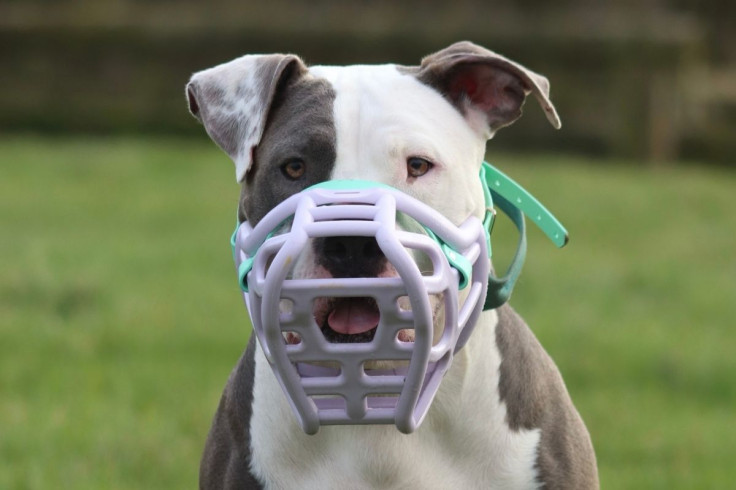
The modern perception of canine muzzles remains heavily influenced by sensationalised media, cinematic tropes, and outdated television representations.
Dogs wearing muzzles are frequently stereotyped as aggressive attack dogs rather than individuals receiving proactive care.
Consequently, muzzles are rarely viewed as common, helpful training instruments; instead, society often treats them as an overt form of punishment for uncontrollable pets.
Yet, many prevailing assumptions regarding muzzles rest entirely on persistent misunderstandings and widespread myths.
Muzzles Are Not Exclusively Used To Prevent Biting
Muzzles serve as exceptionally useful preventative tools designed to stop dogs from engaging in dangerous behaviours involving their mouths, extending far beyond the scope of aggression. While reactive or aggressive dogs benefit immensely from wearing muzzles, experts emphasise that all dogs can benefit from muzzle training at various stages of their lives.
Muzzles prove especially valuable for dogs with a penchant for scavenging non-food items during walks. Urban canine companions frequently encounter discarded waste, toxic objects, dead animals, or hazardous refuse on sidewalks and parks.
For many dog owners navigating large cities, muzzled walks prevent expensive emergency veterinary visits triggered by accidental ingestion—ranging from spoiled food to discarded recreational drugs like marijuana dropped on urban trails.
Dispelling the Myth: Muzzles Do Not Prove Past Biting
A common misconception assumes that any dog wearing a muzzle has a documented history of biting people.
Animal behaviour and training supervisors note that dogs communicate stress and fear through a continuum of body language cues. When vulnerable animals are repeatedly pushed past their comfort thresholds without receiving adequate space, they may ultimately resort to defensive biting.
Alison Schramel, an Animal Behaviour and Training Supervisor, believes. 'Dogs use a number of cues to let their caregivers know when they're stressed or scared. When continually pushed in this place of discomfort, they can resort to biting.'
Friendly Dogs Benefit Greatly From Muzzle Training
The assumption that friendly dogs have no reason to wear a muzzle is entirely false. Every dog should be conditioned to accept a muzzle comfortably due to its wide-ranging utility across different life scenarios.
- Veterinary Care: Muzzles utilised during clinical exams protect veterinary staff during routine blood draws, nail trims, and sensitive examinations.
- Grooming Sessions: Sensitive dogs benefit immensely during grooming appointments when specific areas—such as back paws or tails—require careful handling in a calm environment.
- Post-Surgery Recovery: Basket muzzles offer a humane alternative to traditional plastic cones, preventing dogs from licking or chewing surgical stitches and wounds without inducing the psychological distress of the recovery cone.

Muzzles Are Not Cruel When Properly Fitted
A properly sized and fitted basket muzzle causes zero pain or discomfort when introduced correctly. Simple positive reinforcement training methods help furry companions adapt smoothly to wearing their protective gear.
Once acclimated, dogs wearing a well-designed basket muzzle retain the full ability to pant, drink fresh water, and accept treats with ease.
Professionals distinguish between primary styles, noting that basket muzzles are ideal for walks, park outings, and long recovery periods since they allow normal canine behaviours like panting and barking. Conversely, restrictive soft muzzles severely limit mouth movement and should be reserved strictly for brief, short-term procedures under direct supervision.
Societal views regarding muzzles are gradually evolving as urban hazards make proactive muzzle-training more common. There is no valid reason for a muzzled dog to face unfair labels or social stigma.
Modern owners frequently personalise their pet's gear with colourful accessories and friendly labels, signalling to passersby that their dog is simply on routine 'poop patrol' or managing space.
Ultimately, embracing muzzles as a normal part of responsible pet care protects dogs, reassures communities, and dismantles an unnecessary cultural bias.
© Copyright IBTimes 2026. All rights reserved.
- Recommended For You