How Many UK PMs Have Resigned in the Last 10 Years? From Cameron to Starmer
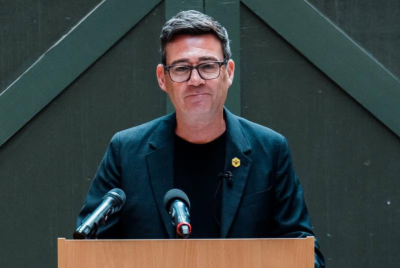
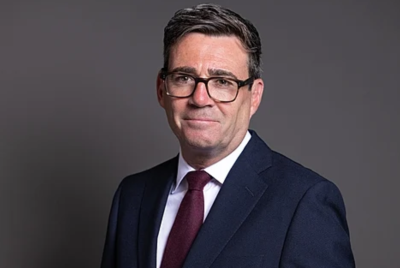
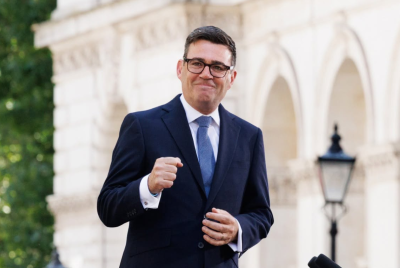
Andy Burnham gains significant support to succeed Keir Starmer as UK Prime Minister.
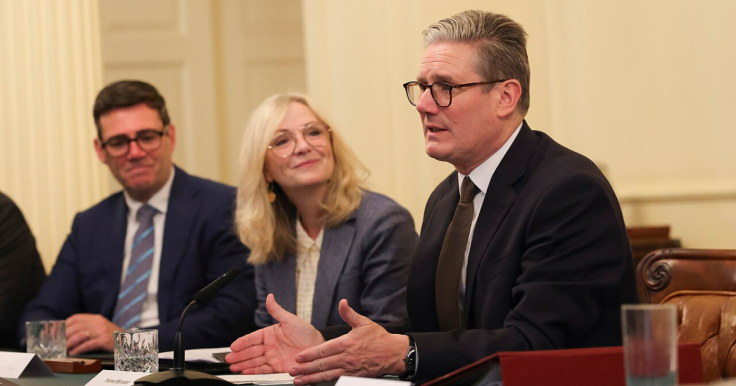
Five UK prime ministers have resigned in the past decade, highlighting a period of sustained political turbulence at Westminster that has repeatedly reshaped leadership at the highest level of government.
Since 2016, Downing Street has changed hands amid Brexit fallout, internal party conflict and political pressure, with successive departures marking one of the most volatile eras in modern British politics.
David Cameron Resigns After Brexit Referendum
David Cameron resigned as prime minister on 13 July 2016 after the United Kingdom voted to leave the European Union in the Brexit referendum. Cameron, who had campaigned for the UK to remain in the EU, stepped down shortly after the result, saying that new leadership was required to guide the country through the withdrawal process.
His resignation triggered a Conservative Party leadership contest, which was won by Theresa May.
Theresa May Steps Down After Brexit Deadlock
Theresa May became prime minister on 13 July 2016 but resigned on 24 July 2019 after repeatedly failing to secure parliamentary approval for her Brexit withdrawal agreement.
Her premiership was defined by efforts to pass a negotiated Brexit deal through a deeply divided Parliament. Despite multiple attempts, her agreement was rejected three times in the House of Commons, resulting in prolonged political deadlock.
Facing sustained pressure from within her own party, May announced her resignation in May 2019 and formally stepped down in July 2019.
Boris Johnson Resigns Amid Political Turmoil
Boris Johnson succeeded Theresa May on 24 July 2019 after winning the Conservative leadership contest and later secured a decisive general election victory in December 2019.
His time in office became increasingly unstable following a series of political scandals and a wave of ministerial resignations. By July 2022, Johnson had lost the confidence of senior Conservative MPs and Cabinet members.
He announced his resignation as Prime Minister that month, beginning the transition out of office and bringing an end to a premiership marked by both electoral success and sustained controversy.
Liz Truss Resigns After 45 Days in Office
Liz Truss became prime minister on 6 September 2022 after winning the Conservative leadership contest. Her time in office lasted just 45 days, making her the shortest-serving prime minister in British history.
Her government's mini-budget triggered severe financial instability, a collapse in market confidence and widespread political backlash. Under intense pressure from her own party, Truss announced her resignation on 20 October 2022 and formally left office on 25 October 2022.
Keir Starmer Announces Resignation as Prime Minister
Keir Starmer became prime minister in July 2024 following a general election victory. In 2026, he announced his resignation as prime minister and began the process of stepping down from office pending the selection of a successor.
His resignation marks the latest transition in a period defined by rapid leadership turnover at the highest level of UK government.
A Decade Defined by Political Instability
Taken together, these events show that five UK prime ministers have resigned within a ten-year period, highlighting a sustained era of political volatility at Westminster.
Since 2016, leadership changes have been driven by Brexit-related divisions, parliamentary deadlock, internal party conflict and economic instability.
David Cameron served just under six years as prime minister, Theresa May served three years, Boris Johnson served just under three years, Liz Truss served 45 days, and Keir Starmer's tenure ends in 2026 following his resignation process.
Together, these departures illustrate how rapidly political leadership has shifted in modern British politics.
© Copyright IBTimes 2026. All rights reserved.
- Recommended For You