

Elon Musk Heartbreak: SpaceX CEO Accused of Putting Mums and Families in Danger Over Belfast Riot Posts
Musk's posts linked to anti-immigration protests and violence in Belfast spark political debate.
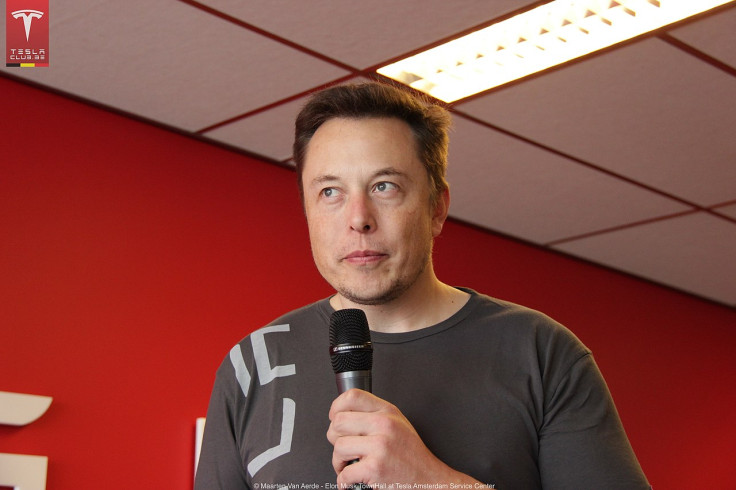
Elon Musk has been accused of helping inflame tensions surrounding anti-immigration unrest in Belfast after sharing social media posts linked to demonstrations that were followed by rioting, arson attacks and the displacement of families from their homes. The criticism comes as a 30-year-old Sudanese man charged with attempted murder following a knife attack in the city on 8 June was due to appear in court on Wednesday.
🚨 The Word - " You either fight back, or you die."
— Ramesh Tiwari (@rameshofficial0) June 9, 2026
-Elon Musk
This is no longer a warning. It is reality.
In North Belfast, a Sudanese asylum seeker was caught on video repeatedly slashing a local man in the head and neck with a knife a brutal, unprovoked attack that left… pic.twitter.com/1FsDXaGv93
The backlash has centred on posts Musk shared on X in the aftermath of the attack, with political leaders arguing that influential figures have a responsibility to encourage calm rather than amplify tensions. Critics say the consequences have been felt not online but in communities where residents have faced violence, damaged property and fears for their safety.
Musk Faces Criticism Over Belfast Posts
Musk became part of the controversy after sharing lists of possible protest locations on X, some of which had also been circulated by far-right activist Tommy Robinson, whose real name is Stephen Yaxley-Lennon. He also reposted a message from Restore Britain leader Rupert Lowe containing the phrase 'millions must go' alongside footage connected to the attack.
A 30-year-old Sudanese man, named Hadi Alodid, has appeared in court charged with attempted murder after a Belfast knife attack that sparked citywide disorder. Vehicles and shops were set alight amid anti-migration anger stoked online.
— Al Jazeera English (@AJEnglish) June 10, 2026
Al Jazeera’s Milena Veselinovic reports. pic.twitter.com/WzZNswA607
The posts drew fresh scrutiny as demonstrations spread across parts of Belfast and online debate intensified.
Labour chair Anna Turley told Times Radio that social media was playing a role in driving tensions and warned that 'bad faith actors' were helping inflame divisions from outside the communities most directly affected.
Asked whether Musk was among those figures, Turley said people with large online platforms should recognise the consequences their posts can have.
'It's mums and families and people living in those homes in Belfast and on the streets of Britain who are at risk,' she said.
The remarks placed Musk at the centre of a growing political debate over the role social media platforms and high-profile users play during periods of civil unrest.
Violence Follows Knife Attack
The disorder followed the circulation of footage relating to the knife attack, which prompted anti-immigration protests in several areas of Belfast.
According to Reuters, masked individuals set fire to homes and vehicles during the unrest, forcing some residents to flee their properties. Local reports also said a bus was torched and emergency services were called to multiple incidents across the city.
Police and local authorities spent much of the following day responding to the aftermath while community leaders urged residents not to allow the criminal investigation to become a trigger for wider disorder.
Concerns also emerged that some of the unrest may have been organised in advance. Messages reportedly circulated through WhatsApp encouraged men aged 18 and over to gather wearing dark clothing and to be prepared for confrontation or arrest.
The reports added to fears that tensions surrounding the attack were being deliberately escalated both online and on the streets.
Political Leaders Urge Restraint
Northern Ireland Justice Minister Naomi Long strongly condemned the violence and criticised those using social media to inflame tensions.
Speaking on BBC Radio 4's Today programme, Long urged online agitators to 'step away from their keyboards' and warned that many of those contributing to the rhetoric had little connection to Belfast itself.
Northern Ireland Justice Minister Naomi Long urges the public to remain calm and allow the justice system to takes its course https://t.co/PAiZ4D1jU3
— Sky News (@SkyNews) June 9, 2026
📺 Sky 501, Virgin 602, Freeview 233 and YouTube pic.twitter.com/iRmxJXIrp3
She said families were being targeted because of the colour of their skin and rejected attempts to portray the attacks as anything else.
'If people are being forced from their homes because of the colour of their skin, it's racism,' Long said.
Her comments echoed wider concerns among political leaders that legitimate public concern over a criminal investigation was being exploited to fuel hostility towards immigrant communities.
Liberal Democrat leader Sir Ed Davey also criticised the role of social media algorithms, arguing that extremists were using online platforms to spread hatred and division more effectively than ever before.
Ed Davey asks if there should be a crackdown on platforms like X as "extremists" exploit anger aided by “social media barons like Elon Musk” and their “algorithms”
— BBC Politics (@BBCPolitics) June 10, 2026
Keir Starmer says “we should all be calling for calm”#PMQs https://t.co/5kDSOmByNH pic.twitter.com/o0Foq94U4s
Meanwhile, police continued to appeal for calm as transport services were disrupted and roads remained blocked in some parts of the city.
Court Case Continues as Fallout Grows
Despite the political debate surrounding the unrest, the criminal case remains central to the story.
The 30-year-old Sudanese man charged with attempted murder was scheduled to appear in court on Wednesday, with investigators continuing to examine the circumstances surrounding the knife attack that sparked the demonstrations.
Prime Minister Sir Keir Starmer condemned the rioting as 'shocking and completely unacceptable,' joining other political leaders in calling for restraint and urging communities not to take matters into their own hands.
'The acts of violence and arson are totally unjustified'
— Sky News (@SkyNews) June 10, 2026
Sir Keir Starmer has begun PMQs by responding to the unrest in Belfast last night.https://t.co/ICFv7txcE2
📺 Sky 501 pic.twitter.com/ZDRFCcIYRn
For authorities, the challenge now extends beyond the courtroom. While the criminal case proceeds through the justice system, police and community leaders are also working to prevent further violence and reassure residents affected by the disorder.
The controversy surrounding Musk's posts has added another dimension to that effort, raising renewed questions about the influence of social media during fast-moving and emotionally charged events. As political pressure grows, the focus is increasingly shifting from what happened on Belfast's streets to whether those with vast online audiences bear responsibility for helping shape the reaction that follows.
© Copyright IBTimes 2026. All rights reserved.