Undercover Officer Who Posed as Helen Steel's Boyfriend Was Living Nearby in New Zealand All Along
Helen Steel's Journey to Uncover the Truth Behind Her Deceptive Relationship with an Undercover Officer
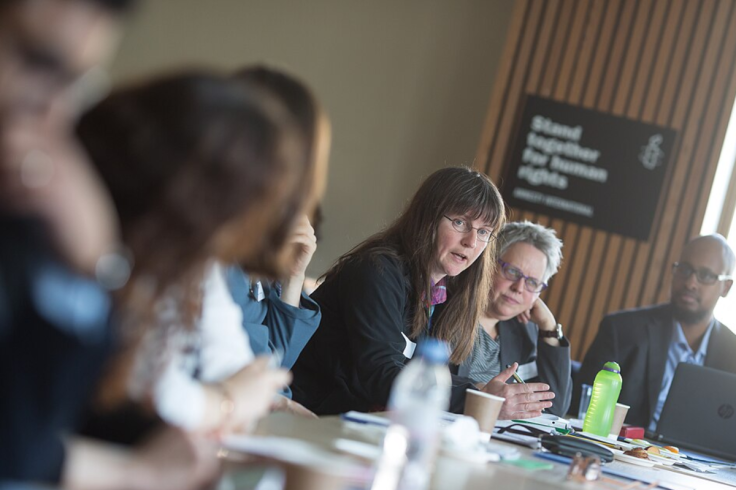
Helen Steel, the campaigner best known for the McLibel case against McDonald's, spent weeks in New Zealand in 2002 trying to trace the man who had deceived her into a two-year relationship. He was closer than she could have imagined.
John Dines, an undercover Metropolitan Police officer who used the false identity John Barker, had spied on Steel and her fellow campaigners throughout their relationship before quitting the force years later. What Steel did not know was exactly where he had gone.
The Life He Built in New Zealand — While She Searched
Dines had told Steel during their relationship that he had previously lived in New Zealand. That detail, according to evidence before the Undercover Policing Inquiry, turned out to be closer to the truth than she ever realised.
He moved there in 1995, shortly after quitting the Metropolitan Police, and was working as a barrister in Auckland by the time Steel arrived in the country in December 2002, the inquiry heard. She still knew him only as John Barker.
The senior officers who later authorised his relocation to Australia have told the inquiry they were unaware Dines had a sexual relationship with Steel, and did not question why she was so intent on finding him. Campaigners and lawyers involved in the inquiry have rejected that claim as implausible, noting that officers from the same undercover unit frequently entered sexual relationships with the women they were monitoring.
Steel explained what she’s found out since about the insane level of surveillance she was under for many years.
— COPS (@copscampaign) July 25, 2026
The police were so desperate to stop her/ anyone else discovering the truth about ‘John Barker’ & the #spycops unit that they set up ‘Operation Muscat’ in 2002. pic.twitter.com/WXfLV8RdcH
How Scotland Yard Tracked Her Every Move in New Zealand
Steel did not know any of this when she flew to New Zealand in December 2002 with her parents to visit her sister and friends. She spent part of the two-month trip quietly trying to trace people she believed could be relatives of her former partner, hoping they might reveal where he now was.
Unknown to Steel, Scotland Yard had already arranged for New Zealand police to monitor her movements during the visit, according to documents put before the inquiry. One police report set out plans to monitor Steel's movements whilst in New Zealand, adding that urgent inquiries were in place to fully identify her sister and family.
The same surveillance operation logged her phone calls, including contact with the chambers of Keir Starmer, who was then a barrister advising her during the McLibel trial. Steel and her parents were also delayed for an hour after landing at Auckland airport, the inquiry heard. The delay followed a secret warning placed on her file three weeks earlier that prompted a discreet customs search of her luggage.
A Relationship Built on Lies — and the Sadistic End
Dines had a sexual relationship with Steel for two years without disclosing his real identity or role, the inquiry has heard.
Steel has described the way he ended things as sadistic and callous psychological torture over a prolonged period, saying he repeatedly disappeared and returned while professing love for her, before vanishing for good in 1992 by claiming a mental breakdown. She has said she believed she was living an idyllic relationship with a man who had spoken of wanting six children and a life together.
It took Steel almost two decades of piecing together clues and archive visits to establish that her former partner had been an undercover police officer.
Helen Steel is an absolute hero. First fighting McDonald's, and now the #spycops https://t.co/5xzwevqVD9
— TomFranklin (@TomFranklin) July 25, 2026
£2.5m of Public Money to Protect One Officer's Cover
Once senior officers feared Steel was close to exposing Dines, they authorised approximately £2.5m in public funds to relocate him again, this time to Australia. According to evidence heard by the inquiry, the sum included help buying a house in Sydney worth four times more than his New Zealand property.
Steel told the inquiry she was really angry that she and her family had been placed under surveillance, describing the operation as protecting an illegitimate and undemocratic undercover policing programme that spied on more than a thousand political groups between 1968 and at least 2010.
The revelation that Dines was living under his own identity in the same country Steel was searching, while the operation to protect him was already under way, shows how far the state was prepared to go to shield an officer's cover rather than address the harm caused to the woman he deceived.
The Undercover Policing Inquiry continues to examine other cases involving women who unknowingly entered relationships with officers deployed to spy on political campaign groups, several of whom have given evidence of similar experiences.
© Copyright IBTimes 2026. All rights reserved.
- Recommended For You