How Did Clive Davis Die? The Final Words of Legendary 'Golden Ears' Exec, Who Discovered Whitney Houston, Revealed
Clive Davis, the record executive behind Whitney Houston and more, has died at 94.

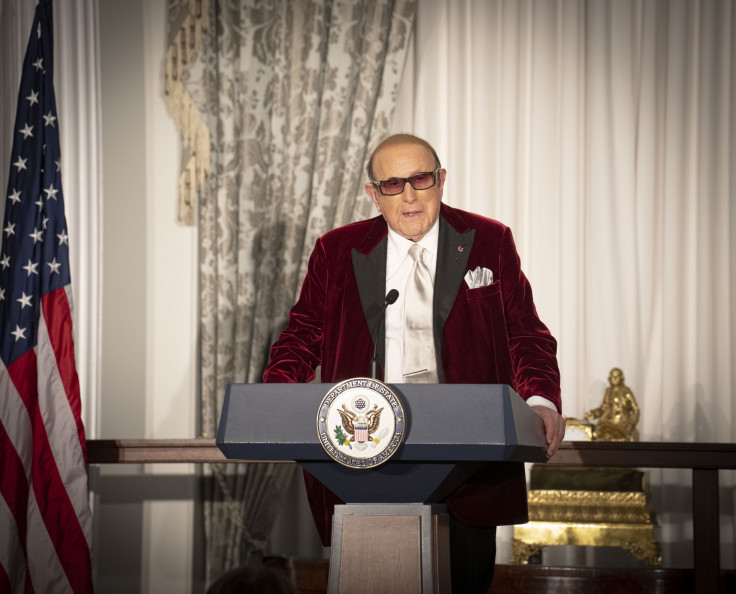
Clive Davis, the record executive whose instincts helped define the sound of mainstream pop for decades, has died at 94. His family confirmed his death in a statement posted to his official social media accounts, though no cause was given. For a figure who spent a lifetime turning hunches into hits, the final news was characteristically spare.
To recall, Davis was not simply another label boss with a sharp suit and a long résumé. He was the industry's self-styled listener-in-chief, the man repeatedly credited with hearing something in artists before the rest of the market caught up. In his own words, that began with trust. 'I trusted this instinct, this natural flow of energy that I felt when I was in the presence of someone extremely talented,' he said in a 2013 interview with World Cafe. 'And, you know, I began to build a track record.'
The Long Climb To The Top
Davis was born in Brooklyn's Crown Heights neighbourhood on 4 April 1932, the son of Herman, an electrician and salesman, and Florence Davis. His early life was marked by loss as well as ambition. While he was still a freshman at New York University on scholarship, both parents died from what he later described as complications linked to high blood pressure. The destitute student moved in with his sister to finish his degree.
That sort of beginning does not usually foreshadow a career in the upper reaches of the music business, but Davis had a knack for entering rooms before people knew they should make space for him. After graduating from Harvard Law with honours in 1956, he worked as a Midtown Manhattan lawyer drafting contracts and handling tax and estate planning. Then, at 28, he moved to Columbia Records, a client of the firm where he had been working, after a former colleague suggested his legal training could be useful.
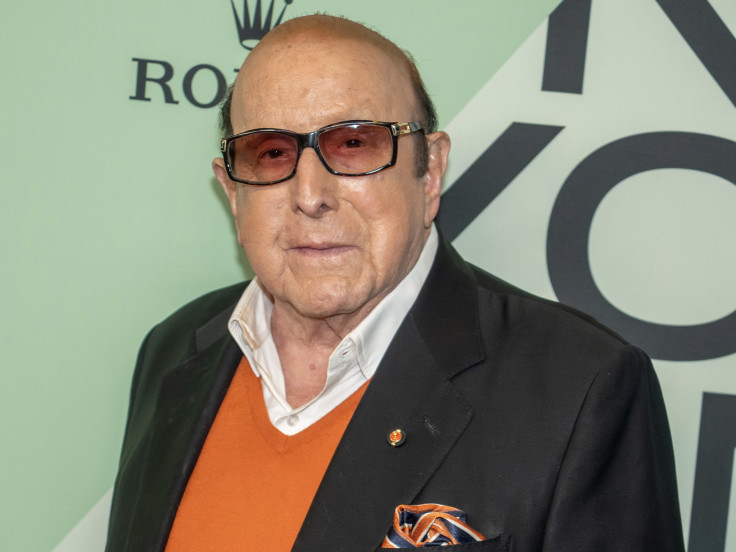
It was, by the evidence, an understatement. Davis quickly proved himself at Columbia and CBS, helping them fight off a complaint from the Federal Trade Commission over alleged problems tied to a subscription record club. The episode gave him a close view of the music industry's byzantine economics, and it may also have sharpened the instinct that would later make him famous. Timing helped, certainly. So did nerve. But Davis had something else too, something harder to teach. Taste.
By 1966, he had become president of Columbia Records and earned the nickname 'possessor of golden ears' for recognising the commercial promise of artists such as Santana, Chicago and Laura Nyro. That was the glamorous part of the story. The less glamorous part came about seven years later, when he was fired amid allegations that he had misused around $100,000 of CBS money through falsified invoices. It was a bruising blow. Not the end, though. Not even close.
The Hitmaker Who Kept Coming Back
Davis returned in 1974 as the driving force behind Arista, a label he launched at the behest of Columbia Pictures, and the second act was every bit as formidable as the first. He helped Barry Manilow turn 'Brandy' into the No 1 hit 'Mandy,' then went on to shape the careers of artists who became part of the modern pop canon, including Lou Reed, The Kinks and the Grateful Dead.
His role in Whitney Houston's rise remains one of the defining chapters of his career. He signed her at 19, and the result was extraordinary, with seven consecutive number one hits and global sales in the tens of millions. Davis also helped drive the careers of artists including Aretha Franklin, Bruce Springsteen, Janis Joplin and Billy Joel, while his influence extended into hip-hop and R&B through Arista's part ownership of LaFace and Bad Boy Records. That placed him in the path of Usher, Outkast, Toni Braxton, the Notorious B.I.G. and Sean Combs as they moved into the mainstream.
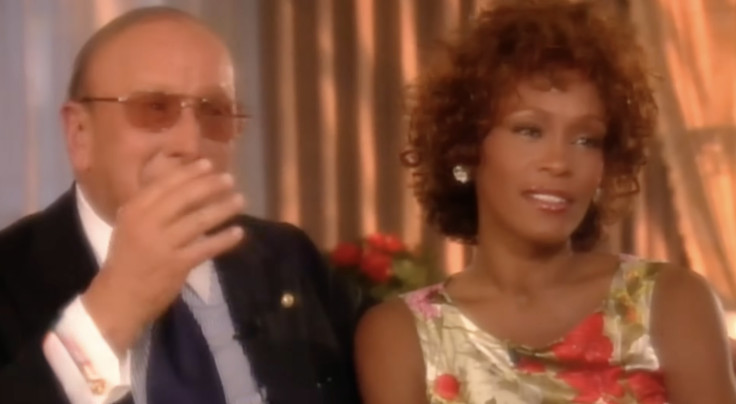
By the 2000s, Davis was still operating at full tilt, leading J Records and later RCA Records, where he helped sign Alicia Keys and played a part in making American Idol winners such as Kelly Clarkson household names. The sheer breadth of that catalogue is almost wild. Rock, soul, pop, hip-hop, R&B, Davis kept crossing the lines before other executives had even noticed them.
He was also a near-permanent fixture on the industry calendar, hosting a star-packed pre-Grammys party for years, usually with live performances and the sort of guest list that made the room feel like history was happening in real time. In 2003, he founded New York University's Clive Davis Institute of Recorded Music, creating a pipeline for future music executives and artists. He won five Grammys and was inducted into the Rock and Roll Hall of Fame in 2000 as a non-performer.
Those who worked around him tended to describe the same thing in slightly different ways. Aretha Franklin called him 'the greatest record man of all time.' Music critic Anthony DeCurtis, who co-wrote Davis' 2013 autobiography The Soundtrack of My Life, told NPR that Davis 'listened critically' and had a clear sense of what would work. Nwaka Onwusa, the former vice president and chief curator at the Rock and Roll Hall of Fame in Cleveland, put it more poetically, saying, 'Talk about music being a spirit, he is the epitome of that.'
Davis himself once explained the appeal with disarming simplicity. 'To me, there is no greater thrill than when you discover a terrific song,' he told the Los Angeles Times in 1996. 'It's not just something you can hear. You can feel it down into your spine.'
© Copyright IBTimes 2026. All rights reserved.
- Recommended For You