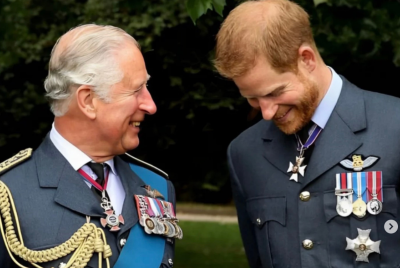
Who Lived at Buckingham Palace? Every Monarch Who Resided There And Why King Charles Won't Join Them
King Charles will continue using Buckingham Palace for official duties
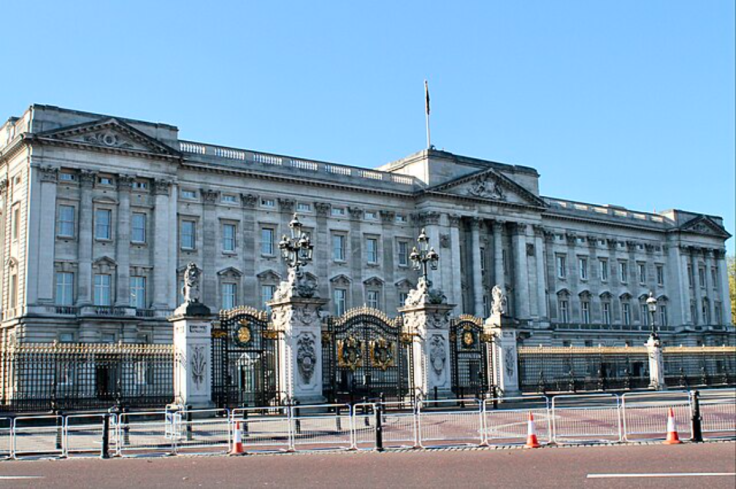
Buckingham Palace has been the heart of the monarchy for almost two centuries and the official London residence of the British monarch since 1837. That tradition has come to an end.
The iconic palace home has played host to state duties and royal ceremonies undertaken by generations of sovereigns, from Queen Victoria to Queen Elizabeth II. However, King Charles III is breaking with that long-standing tradition by choosing not to live there, even after the palace's multimillion-pound refurbishment is complete.
Instead, he reportedly plans to remain at Clarence House, marking the first time since Victoria that a reigning monarch has opted against making Buckingham Palace a primary private residence.
1. Queen Victoria Was The First Monarch To Live At Palace
Queen Victoria was the first sovereign to reside at Buckingham Palace after ascending the throne in 1837.
Originally known as Buckingham House before being transformed into a palace, it officially became the monarch's principal London residence under her reign. Following her marriage to Prince Albert in 1840, the couple expanded and modernised the building, turning it into both a family home and the centre of royal life.
Many of the palace's best-known ceremonial traditions began during Victoria's reign, establishing Buckingham Palace as the symbol of the British monarchy.
2. King Edward VII Revived Royal Entertaining
When King Edward VII succeeded Victoria in 1901, he and Queen Alexandra embraced Buckingham Palace as the setting for lavish state entertaining.
The palace became famous for grand banquets, receptions and diplomatic events that mirrored Edward's sociable character. His rule helped to bring back much of the glamour to the monarchy after Victoria's long period of mourning for Prince Albert.
Although his reign lasted only nine years, Buckingham Palace remained firmly established as Britain's royal headquarters.
3. King George V Restored The Palace's Historic Character
King George V and Queen Mary continued living at Buckingham Palace after taking the throne in 1910.
Queen Mary oversaw extensive restoration work inside the palace, carefully preserving its Regency features while updating many of the interiors. During their reign, Buckingham Palace became increasingly associated with modern constitutional monarchy and public royal appearances.
4. King Edward VIII Lived There Only Briefly
King Edward VIII occupied Buckingham Palace for only a short period during his 326-day reign in 1936.
Reports from royal historians suggest he never developed much affection for the palace before abdicating the throne to marry Wallis Simpson. His departure brought one of the shortest royal residencies in Buckingham Palace history.
5. King George VI Guided Britain Through World War II
King George VI and Queen Elizabeth made Buckingham Palace a powerful symbol of national resilience during World War II.
Although the family often spent nights at Windsor Castle for safety, the King and Queen continued working from Buckingham Palace throughout the Blitz, even after parts of the building were bombed. Their decision to remain visible in London strengthened the palace's role as a symbol of endurance during wartime.
6. Queen Elizabeth II Made Buckingham Palace Her Home
Queen Elizabeth II lived at Buckingham Palace for most of her historic 70-year reign alongside Prince Philip.
The palace served as her base for audiences with prime ministers, state banquets, investitures and countless royal engagements. During the COVID-19 pandemic, however, she relocated more permanently to Windsor Castle and never fully resumed living at Buckingham Palace before her death in 2022.
Her reign cemented the palace's image as the centre of Britain's constitutional monarchy.
Why King Charles III Won't Live At Buckingham Palace
Despite Buckingham Palace remaining the official headquarters of the monarchy, King Charles III and Queen Camilla have no plans to move in after its £369 million reservicing project concludes.
Charles has lived at Clarence House since 2003 and reportedly considers it his true London home. The King has previously viewed Buckingham Palace as too large, impractical and costly to operate as a private residence, preferring the smaller, more comfortable setting next door.
However, Buckingham Palace will continue to host state banquets, investitures, diplomatic receptions and iconic balcony appearances, while Clarence House remains the King's personal residence.
That decision makes Charles the first reigning monarch since Queen Victoria not to use Buckingham Palace as his primary home.
© Copyright IBTimes 2026. All rights reserved.
- Recommended For You