

Pentagon Slashes Recognised Military Faiths From 211 to 31, Dropping Atheists, Pagans and Hundreds of Others
Critics argue the reduction marginalises minority faiths within the military
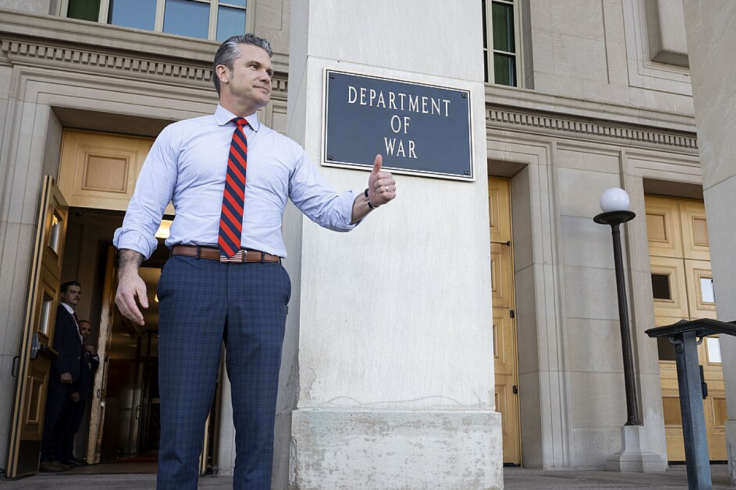
The US Department of Defence has dramatically reduced the number of religions it officially recognises for service members, cutting the list from 211 down to just 31 faith codes. The move, formalised through a 20 May memorandum signed by Undersecretary of Defence Anthony Tata, marks the first revision to the list since 2017 — when it was significantly expanded.
Among those excluded from the new list are atheists, pagans, humanists and New Age belief systems. The sweeping reduction has drawn sharp criticism from religious freedom advocates and former military chaplain leadership alike, raising concerns about whether troops of minority faiths will still receive adequate support.
'Impractical and Unusable'
Defence Secretary Pete Hegseth previewed the changes in March, framing the overhaul as a necessary administrative correction. 'The previous system had ballooned to well over 200 faith codes,' Hegseth said. 'It was impractical and unusable, and many codes were never used at all.'
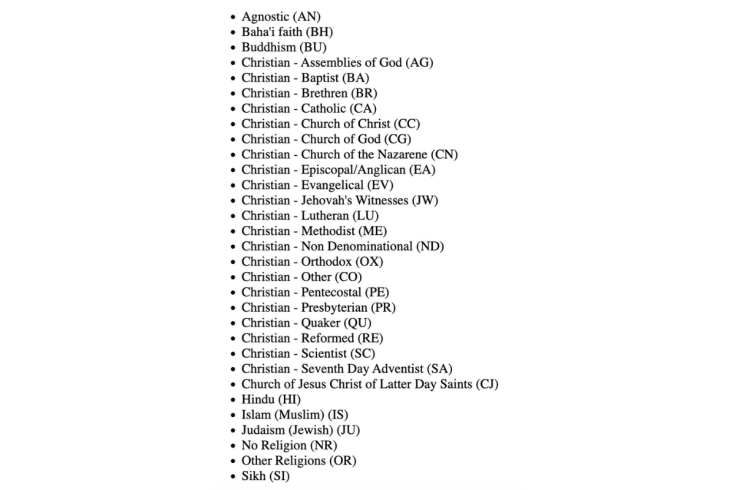
In a separate March statement published on the department's website, Hegseth noted that his department's internal review committee recommended moving forward with 31 religious affiliation codes. He also cited that 82% of service members who identify as religious use only six of the existing codes — a figure he presented as justification for the consolidation.
The revised list retains several major world religions, including agnostics, Buddhists, Hindus, Muslims, Jews, Sikhs and several major Christian denominations such as Baptists, Catholics, Lutherans and Methodists. Reporting by Military.com suggests broader categories such as 'No Religion' and 'Other Religions' are also included, though the full memorandum has not been publicly released.
Chaplains Under Pressure
The faith code reduction is part of a wider restructuring of the military's chaplain corps under Hegseth. Alongside the revised list, the Pentagon directed serving chaplains to replace their rank insignia with religious insignia on their uniforms. 'A chaplain is first and foremost a chaplain, and an officer second. This change is a visual representation of that fact,' Hegseth said in a March statement. 'Specifically unique to the role of a chaplain, they are first and foremost called and ordained by God.'
Retired General Steve Schaick, who served as Air Force chief of chaplains from 2018 to 2021, expressed concern over what the reduction could mean for smaller faith communities serving in the military. 'To me, that would be tragic if there are chaplains that are faithfully serving maybe smaller, lesser sized organisations and their endorsement is now in jeopardy,' he said. He noted that once a chaplain loses their ecclesiastical endorsement, they lose their legitimacy within the military.
The Office of the Secretary of War is announcing a significant change to the Department’s categorization of religious affiliation. In a long overdue move, we reduced the list from over 200 unmanageable categories to 31. With this move, we are returning to the original intent of… https://t.co/dgHX5ytzjJ pic.twitter.com/eho537O08J
— Sean Parnell (@SeanParnellASW) June 5, 2026
'No Awareness of the World Outside Their Bubble'
Hemant Mehta, author of the Friendly Atheist Substack, was among the first to publicly challenge the exclusion, questioning the implications for non-Christian service members. 'There are good reasons to include [more faiths], not just for accuracy, but because it makes it easier for people of minority beliefs to get the help they need and to gather with other people who may share their beliefs within the military,' he said. Mehta also took direct aim at the composition of the revised list, saying it looked like 'a list made by Christian nationalists who have no awareness of the world that exists outside their bubble.'
Mehta also raised the question of whether fallen soldiers might now be recognised for their actual faith on military headstones. The Department of Veterans Affairs National Cemetery Administration currently lists more than 80 emblems of belief eligible for use on headstones in military cemeteries — a figure far exceeding the Pentagon's new 31-code list.
Some of the faiths reportedly removed from the list carry deep roots in American history. Unitarian Universalists and Deists — belief systems linked to several signatories of the Declaration of Independence — are not included in published accounts of the revised list, according to Military.com reporting.
The revision represents the most significant restructuring of military religious recognition in nearly a decade, and its implications extend well beyond administrative paperwork. For service members whose faiths fall outside the new 31-code list, access to chaplain support and official recognition could become significantly more difficult. Undersecretary Tata stated the change will 'streamline the collection of religious preferences for service members to enhance the delivery of targeted religious support from the Chaplaincy.' However, critics argue the narrowed list risks marginalising the very troops it claims to serve better.
Defence Secretary Pete Hegseth previewed the changes in March, framing the overhaul as a necessary administrative correction. 'The previous system had ballooned to well over 200 faith codes,' Hegseth said. 'It was impractical and unusable, and many codes were never used at all.'
© Copyright IBTimes 2026. All rights reserved.