'Completely Incompetent': Pentagon Slammed For Reinstating Flu Vaccine After Nearly 300 Fall Ill at Air Force Boot Camp
Military officials restore flu vaccine requirement following significant outbreak at Lackland Air Force Base

Just weeks after the Pentagon made flu vaccinations optional in the name of 'medical autonomy', military officials have reversed course and restored the requirement for all new recruits. The decision comes amid a significant flu outbreak at Lackland Air Force Base in Texas, where nearly 300 trainees have reportedly fallen ill.
Although defence officials insist the timing is merely coincidental, critics have seized on the development as evidence that the earlier policy change was a costly mistake.
Pentagon Reverses Course On Flu Vaccine Requirement
The Pentagon confirmed on Wednesday that boot camps across all branches of the US military will once again require recruits to receive flu vaccinations.
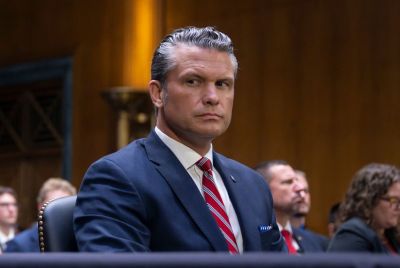
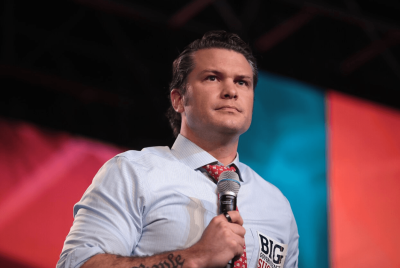
The move follows an April decision by Defense Secretary Pete Hegseth to make the annual flu jab optional. At the time, Hegseth said the change was designed to protect 'medical autonomy' and religious freedom.
Military services were given a 15-day window to request exemptions if they wished to keep the vaccine mandatory for certain groups.
According to Pentagon officials, those exemption requests were already being reviewed before the recent outbreak emerged.
Officials have stressed that the decision to restore mandatory vaccinations was not directly linked to the growing number of flu cases at Lackland Air Force Base.
However, the timing has raised eyebrows among critics, particularly as the outbreak continued to expand.
Flu Outbreak Sweeps Through Air Force Training Base
According to Democratic Congressman Joaquin Castro, roughly 275 confirmed flu cases have been recorded during an outbreak that has lasted around three weeks. The base processes approximately 700 recruits every week, creating conditions that public health experts say are ideal for the rapid spread of respiratory illnesses.
Trainees live in close quarters, sleep in shared dormitories, use communal facilities and spend much of their day in group training environments.
A source familiar with the situation told The Associated Press that only around 40 per cent of recruits chose to receive the flu vaccine after the requirement was lifted.
Dr Arnold Monto, an emeritus professor and influenza expert at the University of Michigan, said outbreaks like this are not unusual in environments where large groups live and work together.
'If you want to prevent flu outbreaks, it is especially necessary to vaccinate when there are group settings,' Monto explained.
While flu activity is typically highest during autumn and winter, experts note that outbreaks can still occur during warmer months, particularly in military bases, cruise ships and other densely populated environments.
Officials Defend Decision Despite Growing Criticism
Pentagon spokesman Sean Parnell confirmed that exemptions allowing mandatory vaccination programmes were approved for the Army, Navy and Air Force, along with the National Security Agency and the Defense Health Agency.
Military leaders have also sought permission to require vaccinations for certain high-risk groups, including healthcare personnel, childcare workers and troops deploying overseas.
Despite those explanations, critics argue that the outbreak highlights the risks of weakening long-standing public health measures.
Many online commentators accused officials of ignoring lessons that have been understood for decades.
One person wrote: 'If only we had something that would tell us what happened to group of young humans that didn't took flu shot in the past.'
Another added: 'If only we'd already learned this lesson. Repeatedly.'
Others questioned why such a policy change was approved in the first place given the military's history of mandatory vaccination programmes.
Social Media Users Brand Policy Reversal 'Incompetent'
The Pentagon's decision quickly became the target of ridicule online, with many commenters describing the situation as an avoidable own goal.
'This administration is completely incompetent on every front,' one critic wrote.
Another added: 'I cannot believe the people who made this decision have jobs while unemployment is spiking. I dont have a health science degree but I could tell ya, you need flu shots.'
Several commenters pointed to the irony of reversing the policy shortly after hundreds of recruits became ill.
'Man, if only we knew that vaccines worked beforehand,' one user remarked.
Another wrote: 'It's almost as if even Washington knew vaccinating troops prevented group sickness.'
Others were even more blunt, with one simply posting: 'Imagine that... idiots.'
A separate commenter mocked the sudden change in direction by asking: 'Oh so we believe in medicine again then?'
For critics, the Pentagon's abrupt reversal has become a symbol of what they see as a preventable mistake.
For military leaders, however, the focus now shifts to containing the outbreak and preventing further disruption among the thousands of recruits entering boot camp every month.
© Copyright IBTimes 2026. All rights reserved.
- Recommended For You