Boffins Build Spinning Space Stations With Artificial Gravity for Deep-Space Alien Hunt
To look for aliens in earnest, scientists first have to build places in space where humans can stand up, walk around and not fall apart.
Scientists are now developing spinning space stations with artificial gravity that could take astronauts deeper into the Solar System in the 2030s, reshaping how long humans can stay in space and how seriously we hunt for alien life. The flagship artificial gravity project, run by US firm Vast, centres on rotating habitats designed to give crews something close to Earth‑like conditions for months or even years at a time, turning a long‑standing science‑fiction idea into a practical tool for deep‑space exploration.
Astronauts on today's orbiting platforms, including the International Space Station, live in microgravity because their spacecraft are in constant free‑fall around Earth. The floating looks fun in clips, but long spells without weight‑bearing can cause bone thinning, muscle loss, heart strain, immune system shifts and eyesight problems, which is why extended deep‑space missions are currently a serious medical challenge.
Spinning Stations And The Push For Artificial Gravity
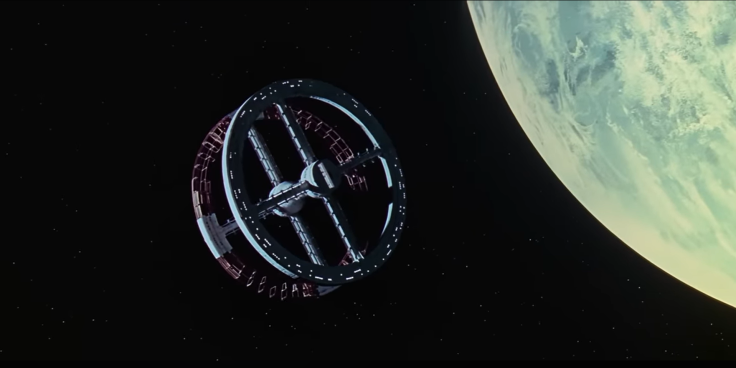
The new artificial gravity stations aim to address an old problem by borrowing from classic science fiction. In 2001: A Space Odyssey, a giant wheel‑shaped station spins slowly in space, its rotation creating 'gravity' for the people walking inside. Scientists have been sketching versions of that wheel for decades. Vast now says it is getting on with the hard part: actually building them.
Tom Shelley of Vast, the US firm behind one of the leading projects, said the company's focus is practical. 'Artificial gravity space stations allow us to explore further and deeper into space,' he said, arguing that today's long missions are limited by what microgravity does to the body.
'One of the problems with the humans in space is they suffer bone loss and muscle loss because of the side effects of living in microgravity,' Shelley said. 'But if you can create an artificial gravity space station, you're now living in the gravity environment we're in here.'
His logic is straightforward. Give people something close to normal gravity and they can stay out there longer, and go further, without damaging their bones and muscles along the way. 'Theory suggests that, therefore, you can spend longer in space, and you can therefore explore further and deeper into space,' he added. 'We're fundamentally a "keeping humans alive" business.'
Vast plans to launch its first small space habitat, Haven‑1, before moving on to a full station by 2030. Only then will it attempt a much larger artificial gravity complex, a project expected to take at least another decade. This is not presented as a side experiment but as a whole system for living off‑world.
How Artificial Gravity Works In Orbit
The physics behind artificial gravity is straightforward. When a space station spins, that rotation creates an outward force that pushes astronauts towards the outer rim, which effectively becomes the floor. Get the size and spin rate right, and that push can feel a lot like normal planetary gravity.
Right now, astronauts float because they and their spacecraft are constantly falling around Earth together. On longer missions, that endless free‑fall turns into a health problem. Months without proper load on bones and muscles quickly weakens them, as the body starts stripping away what it thinks is surplus.
Artificial gravity reverses that. By building in a controlled spin, engineers want to give crews a reliable sense of 'down', so they can walk, exercise and go about daily life without the contortions microgravity demands. The point is not just comfort, but reducing bone and muscle loss, easing strain on the heart, steadying the immune system and cutting the vision issues seen on long stints in orbit.
Russian rocket firm Energia has already proposed its own rotating base that would spin five times a minute to create a force similar to half of Earth's gravity. It is still a paper project, but along with Vast's plans it shows how the discussion has moved on from whether artificial gravity is necessary to the practical question of how to make it work.
A New 'Everest' For Deep Space And Alien Searches
Beyond the engineering, Vast is pitching a wider idea: that spinning habitats could open a new phase of exploration, including a more serious search for alien life. Longer, healthier missions would let crews push to the outer Solar System, run telescopes and labs far from Earth's interference and carry out the kind of slow, detailed surveys a six‑month stint in low orbit cannot match.
Vast founder Jed McCaleb calls it a new kind of grand challenge. 'It's a little bit like the new Everest,' he said. For some future travellers, just living on a spinning station might tick a life‑goal box, but he stressed that Vast wants to 'layer on top of that some science that is truly valuable for life and health on Earth'.
The promise is that working out how to keep bodies healthy in such extreme conditions will also teach researchers more about osteoporosis, muscle wasting and cardiovascular stress back home. The space race could feed directly into hospitals rather than just history books.
That does not mean it will be easy. Building something large enough and stable enough to spin safely for years is a demanding technical task, with timelines measured in decades. Yet companies are now talking in terms of named modules, target launch dates and concrete designs, not just glossy concept art. The slow‑turning station that once lived mainly in films is edging into early‑stage reality.
When that happens, the question of whether these stations help us find aliens becomes less about science fiction and more about routine planning: if you give people a stable, long‑term perch in deep space, what will they actually see when they look out?
© Copyright IBTimes 2026. All rights reserved.
- Recommended For You