

What Happened to Weston Higginbotham? US Student Found Dead in Japanese Mountains Near Kyoto
Family mourns as search for missing student ends in tragedy near Kyoto

It took eight days, a volunteer rescue team, and the combined hope of two nations — but the search for James 'Weston' Higginbotham is over, and the news is as devastating as his family feared.
Nancy Higginbotham, Weston's mother, confirmed on Saturday morning via Facebook that her 20-year-old son had been found dead. Rescuers located his body in a mountainous area outside Kyoto, far from the train station where he was last seen alive. He was a student at Auburn University in Alabama, travelling with his family when everything went wrong.
The Day He Disappeared
It started as a family holiday. On 29 May, the Higginbothams were in the Kyoto area when a disagreement broke out, and Weston walked away from his parents near Yamashina Station, a transit hub sitting just east of the city. What followed was every parent's nightmare.
Using the Life360 family tracking app, his parents managed to follow his digital trail for a short while — spotting him near a river, then boarding a train. Then his phone went dark, and with it, their last connection to him. Japanese authorities and volunteers launched a search that would stretch across more than a week, pulling in support from locals, expatriates, and concerned strangers watching from thousands of miles away.
A Mountain Region With a Dangerous Record
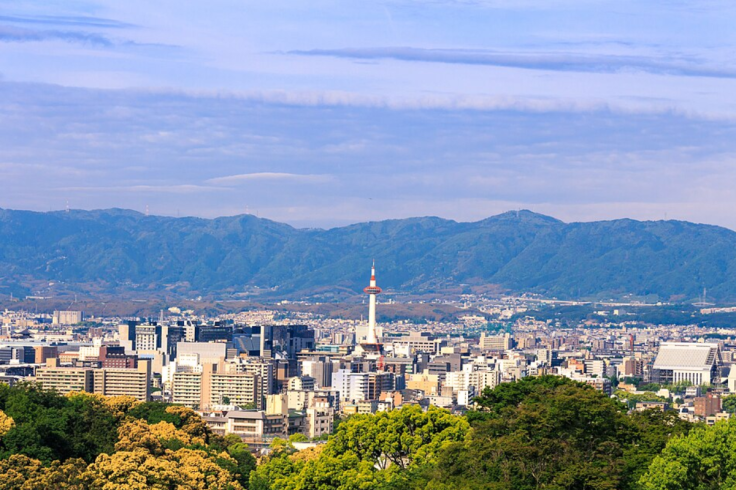
The terrain surrounding Kyoto is as beautiful as it is unforgiving, and Weston is far from the first visitor to come to harm in Japan's mountain regions. According to Nippon.com, there were 2,946 hiking and mountain-climbing incidents across Japan in 2024 alone, involving 3,357 people. Of those, 300 died or went missing. Foreign tourists were caught up in 99 of those incidents, with 135 individuals affected — including seven who died or went missing — the second highest figure since records began in 2018.
The numbers have been climbing since the early 2010s, when annual incidents sat below 2,000. Popular tourist destinations have seen some of the sharpest rises, with Mount Fuji recording a 62% increase in incidents above its five-year average in 2024. It is a pattern that underscores just how ill-prepared many visitors are for Japan's rugged natural landscape, however inviting it may appear from a distance.
'Built to Endure'
In the days before the worst was confirmed, the family held firm to hope. They told reporters that Weston knew how to forage and was, in their words, 'built to endure.' Those who knew him rallied behind that belief, sharing his photo and flooding social media with calls for information.
That hope collapsed on Saturday when volunteer searchers found his remains in rugged mountain terrain outside Kyoto. No official cause of death has been released.
BREAKING: Body of Auburn student James Weston Higginbotham found in mountainous area outside Kyoto, Japan, after he split off from family during trip, mother confirms pic.twitter.com/eckiCONl5z
— Fox News (@FoxNews) June 6, 2026
A Mother's Words
Nancy Higginbotham did not hold back in her public Facebook post, and she did not need to. 'Our family is heartbroken,' she wrote. '... The grief we feel is impossible to put into words.' She went on to thank the enormous network of strangers who had given their time and energy to finding her son. 'The outpouring of kindness and support has carried us through the darkest days of our lives,' she said.
Her final words in the post were directed at Weston himself. 'We are forever grateful for the time we had with our sweet, precious Weston, but cannot begin to understand what life without him will be like,' she wrote. '... We will always love you, Weston.'
She asked for privacy as the family begins to grieve, a request that felt both entirely reasonable and quietly heartbreaking given how publicly the search had unfolded.
Cases like Weston's sit within a broader and troubling pattern. As visitor numbers to Japan continue to soar — a record 42.7 million international visitors arrived in 2025, a more than 15.8 per cent increase on the previous year's record, according to the Japan National Tourism Organisation — the risks facing tourists in remote areas have grown alongside them. Kyoto has been among the cities most visibly strained by the surge, with overcrowded buses and congestion at key sites becoming a growing concern, even as visitors push further into the surrounding hills and mountain trails that frame the city.
As tourist numbers climb, so too do incidents involving visitors in distress — lost, injured, or worse — in areas that look accessible but carry serious risks. Weston's story is a painful reminder that tracking apps and good intentions are not always enough, and that the mountains surrounding Japan's most beloved cities demand far more respect than a casual walk suggests.
© Copyright IBTimes 2026. All rights reserved.