Could Tropical Storm Bertha Disrupt Gulf Coast Travel and Raise Fuel Prices? Here's What We Know
Forecasters expect several inches of rain and possible coastal flooding as the storm moves inland, with tropical storm warnings in effect for parts of South Texas
People travelling across South Texas this week could face flight delays, flooded roads, and dangerous coastal conditions as Tropical Storm Bertha approaches the Gulf Coast. Although the storm is expected to affect transport and local businesses, energy analysts say it remains too early to determine whether it will disrupt fuel supplies or push petrol prices higher.
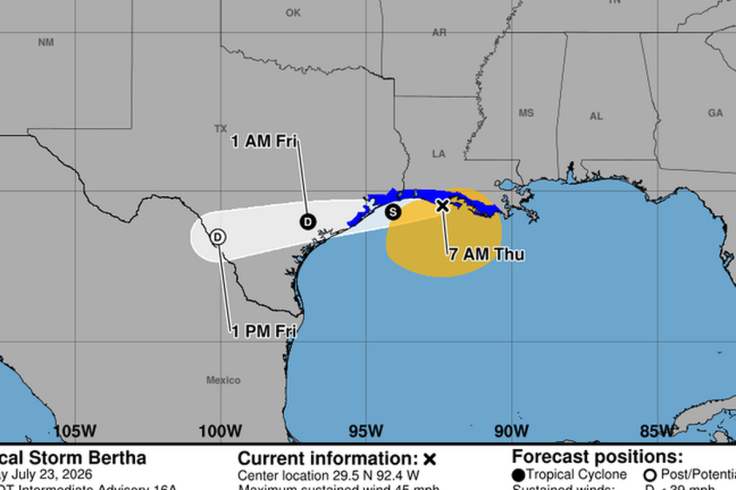
The National Hurricane Center (NHC) has issued tropical storm warnings for parts of the Texas coastline as Bertha moves inland. Forecasts suggest the system will produce several inches of rain in some areas, increasing the risk of flash flooding, hazardous driving conditions, and coastal inundation.
Why Travellers Should Be Paying Attention
Although Bertha is not expected to become a major hurricane, even a tropical storm can create significant disruption across the Gulf Coast.
Heavy rainfall may reduce visibility on roads, flood low-lying routes, and delay flights at regional airports, while rough seas could affect ferry services and commercial shipping. Motorists travelling across South Texas this weekend are being urged to monitor local weather alerts and allow extra time for their journeys.
The National Hurricane Center has warned that Tropical Storm Bertha is expected to bring heavy rainfall, gusty winds, and the risk of coastal flooding to parts of South Texas. In its latest briefing, officials outlined the storm's projected track and the hazards residents and travellers should monitor.
Could Fuel Prices Rise?
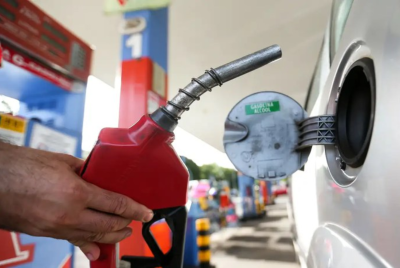
The Gulf Coast is home to a large share of the United States' oil refining and fuel distribution infrastructure, meaning tropical storms are often closely watched by energy markets.
If severe weather forces refineries, ports or offshore production facilities to suspend operations, regional fuel supplies can tighten, leading to temporary price increases. However, there is currently no indication that Tropical Storm Bertha has caused widespread shutdowns of major energy facilities.
For now, analysts say any effect on petrol prices is likely to depend on whether the storm strengthens or causes unexpected damage after landfall. Without significant disruption to refining or transport infrastructure, motorists are unlikely to see a major impact at the pump.
Does El Niño Play a Role?
Large-scale climate patterns such as El Niño and La Niña can influence Atlantic hurricane activity by affecting atmospheric wind shear and ocean conditions. However, meteorologists have not attributed Tropical Storm Bertha's development to a 'Super El Niño'.
Instead, forecasters say Bertha's path and intensity are being shaped by current weather conditions in the Gulf of Mexico, including warm sea surface temperatures and favourable atmospheric patterns.
What Happens Next
Forecasts indicate Bertha will continue moving across South Texas before gradually weakening inland. Even after winds begin to ease, heavy rainfall could continue to create flooding risks in vulnerable areas.
Residents are being advised to follow updates from the National Hurricane Center and local emergency management officials, particularly if they live in flood-prone communities or have travel plans over the weekend.
While Bertha is not expected to rival the Gulf Coast's most destructive storms, it serves as a reminder that even relatively modest tropical systems can disrupt travel, delay businesses and create uncertainty for consumers if critical infrastructure is affected.
© Copyright IBTimes 2026. All rights reserved.
- Recommended For You