Antarctica Heatwave: Rapid Melt-Off Sparks Warning Over Doomsday Glacier
A freak Antarctica heatwave in June has stunned scientists and deepened concern that the rapid melting could accelerate future sea-level rise.
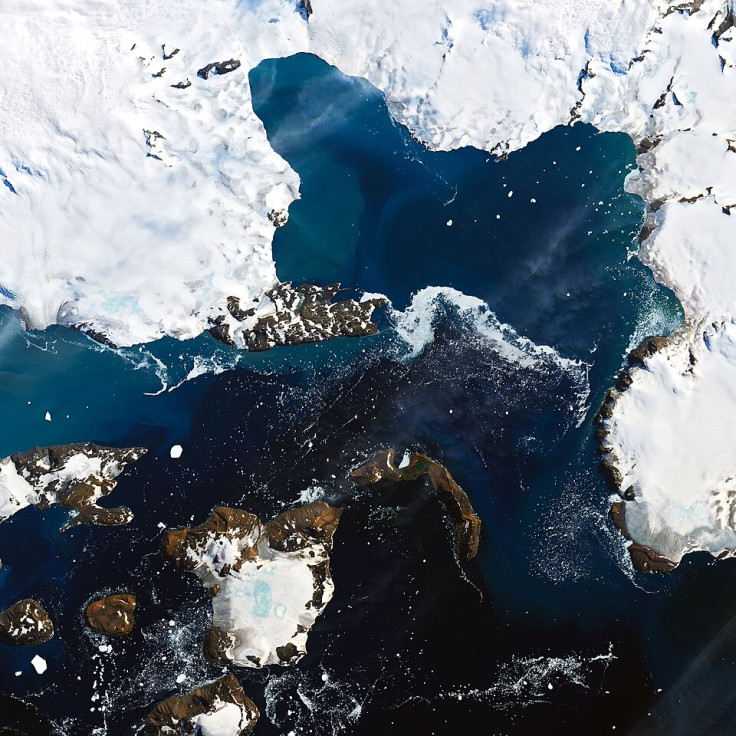
A freak Antarctica heatwave in early June sent temperatures on the Trinity Peninsula to around 15.4C, more than 20C above normal for the time of year, alarming scientists monitoring the continent's fragile ice and reigniting concern over the so‑called 'doomsday glacier' in West Antarctica.
For context, Antarctica is supposed to be locking in winter right now. Instead, researchers on the northern tip of the peninsula watched snow vanish, surface ice turn to slush and even warm rain fall on Collins Glacier. The event landed just as global agencies confirmed that May was the second-warmest on record worldwide, pushing an already stressed polar system into even more uncomfortable territory.
Antarctica Heatwave Leaves Glaciologists 'Horrified'
The heatwave was first reported on 6 June, when researchers stationed on the Trinity Peninsula logged temperatures as high as 15.4C, or 59.7F, according to The Guardian. That reading was not just above freezing. It was, in the words of University of Groningen climate professor Raúl Cordero, 'absolutely crazy.'
'It is also about 20C above normal for this time of the year. That is a huge anomaly,' Cordero told the paper, stressing just how far this Antarctica heatwave sat outside the usual winter pattern.
Chilean glaciologist Luis Muñoz, who climbed to the top of Collins Glacier on the north-western tip of the peninsula during the warm spell, said the change on the ground was immediate and brutal.
'Temperatures here went very high so everything outside melted,' he said. Normally, he added, 'there is 20cm of snow and a lot of ice on the ground at this time.' Instead, Muñoz and a colleague found rain falling and warm enough to chew through the surface ice.
'There was a direct impact on the glacier, which should be receiving snow now. It should not be suffering ablation at this time of the year. This is obviously not good for the glacier,' he said, referring to the process where ice and snow are lost from the glacier's surface.
It sounds like a small thing, a bit of out-of-season rain. But in a system that usually adds winter snow as a kind of savings account for summer melt, losing mass in the wrong season starts to look like a bank run.
From Peninsula to Doomsday Glacier
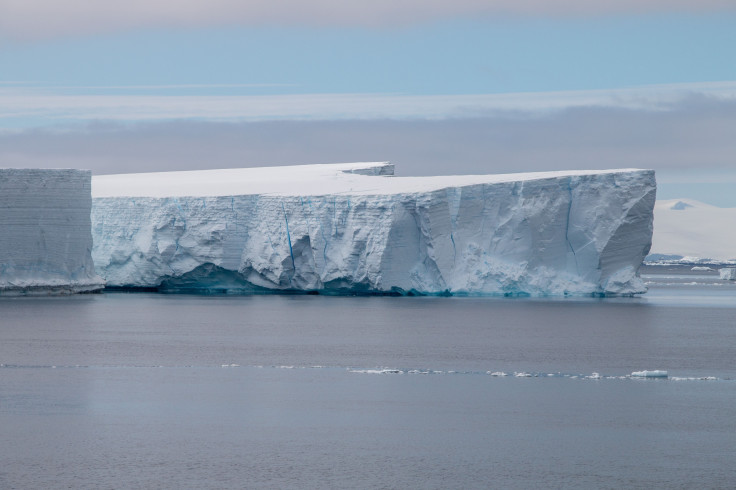
The concern is not limited to one corner of the continent. The Antarctica heatwave hit as scientists scramble to understand changes further south and west, where some of the region's largest ice bodies, including the Thwaites Glacier, are thinning and retreating.
Thwaites, often dubbed the 'doomsday glacier' because of fears that its collapse could trigger widespread, long-term sea level rise, has become a particular focus. International teams have been racing to install monitoring instruments beneath the ice front to capture how quickly warm ocean water is eating it from below.
Researchers 'largely failed' to place long-term equipment under Thwaites during a recent campaign, limiting their ability to track real-time changes. They did, however, managed to collect crucial snapshot measurements from water beneath the glacier. Those readings showed that temperatures there were warmer than many computer models had assumed, hinting that the glacier's underbelly might be more vulnerable than policymakers have been planning for.
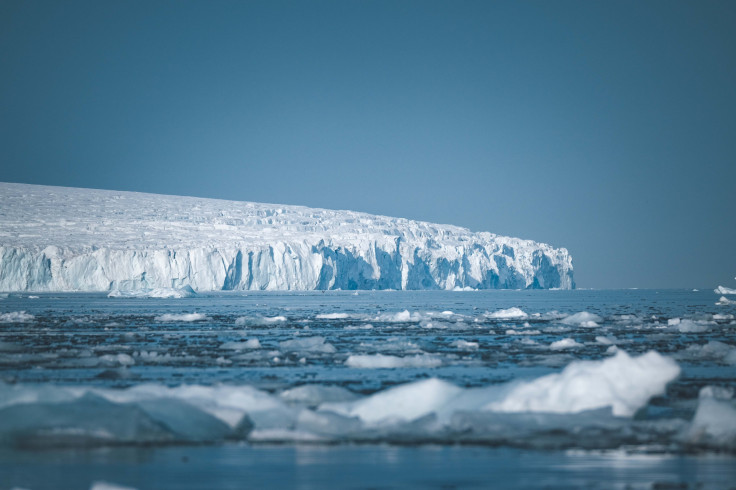
No one is saying that this single Antarctica heatwave will suddenly topple Thwaites or unleash some overnight doomsday scenario. Cordero himself cautioned that a one-off event is not enough, on its own, to destroy the continent's ice. But he pointed to a trend that has been quietly gathering pace for decades.
'This heatwave happened because of extremely strong westerlies,' he said, referring to powerful west-to-east winds that can drag warmer air masses onto the continent. 'This has been happening with increasing frequency since the 1980s, and that is known to be related to climate change.'
The link matters because it shifts the story from freak weather to pattern. One weird winter spike is bad luck. A series of them, embedded in an atmosphere heated by human emissions, starts to look like the new baseline.
Runaway Melt Risk if Warming Continues
Researchers in New Zealand have tried to put numbers on where that baseline could take us. A study from the Antarctic Research Centre at Te Herenga Waka–Victoria University of Wellington, cited alongside the latest heatwave, warns that melt from Antarctica's surface could increase up to tenfold before 2100 if emissions remain high.
Under a scenario where global temperatures climb by about 3.5C to 4C above pre-industrial levels, the study projects far more intense surface melting around the continent. That would leave the floating ice shelves which buttress the main ice sheet 'much more vulnerable to rapid collapse and sea-level rise,' climate professor and co-author Nicholas Golledge said in a statement.
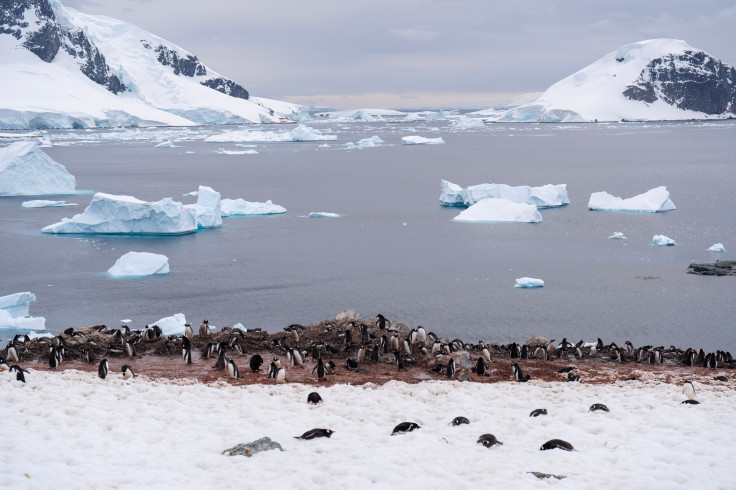
In an 'extreme' pathway where warming exceeds 4C, Golledge added, 'The risk of rapid collapse becomes even more pronounced.' The numbers are stark, and admittedly abstract. What they translate to in practice is higher seas pressing into low-lying coastal cities worldwide, more frequent flooding, and governments forced into expensive, messy choices about which areas to defend and which to abandon.
Layer on top of that what is already happening on the ground in Antarctica, and the picture feels less like a slow-motion problem for future generations and more like one that has turned up early to the party.
Tourists are arriving in record numbers, despite the continent's protected status, bringing their own pollution and infrastructure footprints. Glacial coverage is retreating. Expeditions are having to race just to grab data before the ice they are standing on is gone.
None of this means some exact date for a 'doomsday glacier' moment can be pencilled into the diary. Nothing is confirmed yet so everything should be taken with a grain of salt, especially when it comes to precise predictions of how and when individual glaciers will fail.
But for the scientists watching snow vanish in midwinter, or staring at warmer-than-expected water under Thwaites, the direction of travel is not in much doubt. They are, quite simply, watching the white continent change in real time.
© Copyright IBTimes 2026. All rights reserved.
- Recommended For You