Taylor Swift Is Not Alone: 8 Artists Who Banned Donald Trump From Using Their Music
Other artists including Olivia Rodrigo, Chappel Roan and Rihana have shown similar sentiments
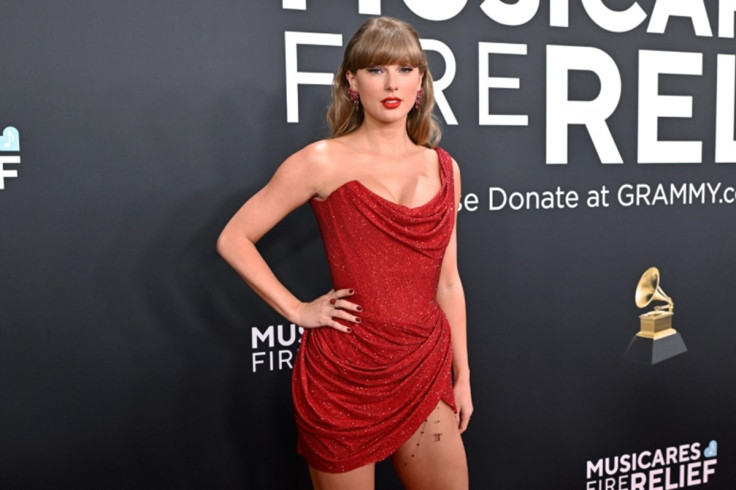
Taylor Swift is among a growing list of artists who have objected to Donald Trump using their music in political content, joining musicians who have issued cease-and-desist letters, demanded removals or pursued legal action.
From Beyoncé and Celine Dion to Neil Young and Rihanna, these disputes have repeatedly raised questions about artists' rights to control how their work is used in political campaigns and government-linked social media posts.
Taylor Swift Quietly Challenges Trump Music Use
Swift has taken a lower-profile approach in recent cases involving Trump-affiliated social media content. Songs including 'August' and 'Father Figure' have appeared in posts linked to Trump or his administration and were subsequently muted or removed.
Unlike some artists who have publicly confronted the former president, Swift has not made a major public statement about each recent incident. Her reported actions nevertheless place her within a much longer history of musicians objecting to Trump's use of their work.
1. Olivia Rodrigo Calls Out Trump Officials
The singer responded directly on social media, saying her music should not be used to promote what she described as 'racist, hateful propaganda.' Her response placed her among a newer generation of artists publicly challenging political figures over the use of their work.
2. Beyoncé Objects To Trump Campaign Music
Beyoncé's 'Freedom' became closely associated with Kamala Harris's 2024 presidential campaign after her campaign authorised its use.
Later, a Trump campaign spokesperson shared a video that used the song without Beyoncé's permission. Her team issued a cease-and-desist, and the video was subsequently removed.
The dispute highlighted how politically charged a song can become when the same recording is associated with opposing campaigns.
3. Celine Dion Rejects Trump Rally Song
Celine Dion's 'My Heart Will Go On' was played at a Trump rally in Montana in August 2024.
Her management said the use was unauthorised and stressed that Dion did not endorse Trump or his campaign. Her team also questioned the choice of song, adding the pointed remark, 'And really, THAT song?'
The response quickly became one of the more memorable artist objections of the 2024 campaign.
4. ABBA Demands Trump Stop Using Songs
ABBA objected after several of the Swedish group's songs were played at a Trump rally in Minnesota in 2024.
The group's representatives said no permission or licence had been granted for the use of tracks including 'Dancing Queen,' 'The Winner Takes It All' and 'Money, Money, Money.' They asked for campaign videos containing the music to be removed.
5. Neil Young Takes Legal Action
Neil Young has objected to Trump's use of his music for years. 'Rockin' in the Free World' was played when Trump launched his 2016 presidential campaign, despite Young's objections.
Young later sued Trump's campaign in 2020 over the alleged unauthorised use. The legal dispute was eventually resolved, but the singer continued to criticise Trump's use of his music.
6. Rolling Stones Repeatedly Challenges Trump
The Rolling Stones have also repeatedly objected to Trump's use of their music, particularly 'You Can't Always Get What You Want.'
The band has threatened legal action and worked with performance-rights organisations to restrict unauthorised political use of its songs.
7. Isaac Hayes Estate Pursues Copyright Claims
The estate of Isaac Hayes has taken a particularly aggressive legal approach. Hayes' son, Isaac Hayes III, objected to repeated use of 'Hold On, I'm Comin' at Trump rallies and pursued copyright-related legal action.
The estate said the song had been used at dozens of events without appropriate permission.
8. Rihanna Rejects Political Use
Rihanna's representatives issued a cease-and-desist after 'Don't Stop the Music' was played at a Republican event.
Her legal team said she had not authorised the use and was not affiliated with or supportive of Trump's political campaign.
Why Artists Keep Objecting to Trump Music Use
The objections have continued beyond the eight artists above. Sabrina Carpenter and Chappell Roan have both been among artists whose music has appeared in Trump administration-linked social media content, prompting attention over political use of their work.
Other prominent artists who have objected to Trump's use of their music include Phil Collins, John Fogerty, Steven Tyler, Johnny Marr, Adele, Bruce Springsteen, Pharrell Williams and representatives for Prince and Tom Petty.
Meanwhile, for Swift, the recent muted or removed songs represent a quieter approach. However, many fans and critics have welcomed the move, as the singer was already under 'MAGA' scrutiny for a very long time.
© Copyright IBTimes 2026. All rights reserved.
- Recommended For You