

Was Victor Willis Gay? Why the Question Is Trending Following 'YMCA' Co-Writer's Death at 74
Exploring the life and legacy of Victor Willis, the iconic voice of Village People
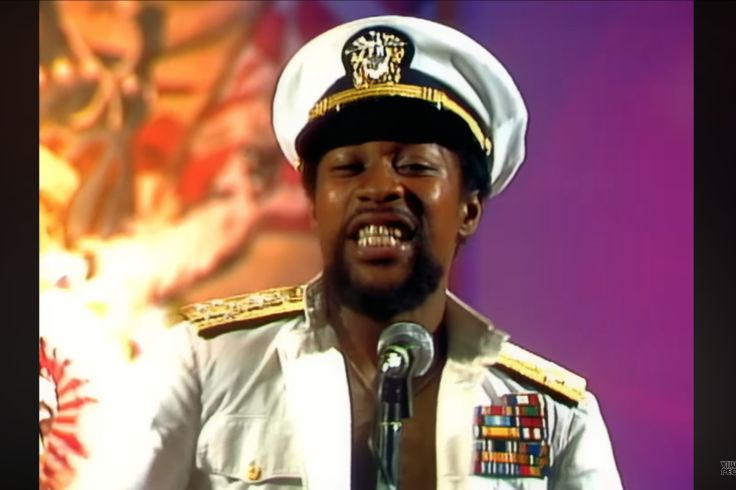
Victor Willis, the original lead singer and co-founder of disco group Village People and the unmistakable voice behind 'Y.M.C.A.', has died at the age of 74. His family announced that he passed away peacefully after 'a short but aggressive illness', bringing to a close a career that helped define the disco era through global hits including 'Y.M.C.A.', 'Macho Man', 'In the Navy' and 'Go West'.
Willis died on June 30, just one day before his 75th birthday. He is survived by his wife, Karen Huff-Willis, who frequently represented him in business matters and became one of his strongest advocates in the later years of his career. He also leaves behind a musical legacy that continues to resonate across generations. In the hours following news of his death, one question repeatedly surfaced online: was Victor Willis gay?
Why Victor Willis' Sexuality Became A Talking Point
The curiosity stems from Village People's long-standing association with LGBTQ+ culture, the group's flamboyant costumes and stage personas, and the enduring status of 'Y.M.C.A.' as one of the world's best-known songs associated with Pride celebrations. However, Willis himself consistently said the answer was no.
Throughout his career, Willis publicly stated that he was heterosexual. He was married to actress Phylicia Rashad from 1978 until 1982 before marrying entertainment executive Karen Huff-Willis in 2007, a marriage that lasted until his death.
Although several members of Village People identified as gay and the group's early image drew inspiration from New York's gay club scene, Willis maintained that his own sexuality had often been misunderstood because of the band's public image.
The Debate Over 'Y.M.C.A.' And Its Meaning
The discussion intensified in recent years because Willis became increasingly outspoken about one of the band's most famous songs. Despite 'Y.M.C.A.' becoming an unofficial anthem within LGBTQ+ communities, Willis repeatedly rejected claims that he had intentionally written it as a 'gay anthem'.
In late 2024, he even threatened legal action against media organisations that described the song that way, arguing that people had confused the sexuality of some members and producers with his own intentions as a songwriter. His comments reignited a long-running debate about whether an artist's original intent should outweigh how audiences ultimately interpret a song.
Remembering Victor Willis' Life And Career
Born in Texas in 1951 and raised partly in San Francisco, Willis first honed his powerful voice singing gospel in his father's Baptist church before pursuing acting and musical theatre. He appeared in the original Broadway production of The Wiz before being discovered by French producer Jacques Morali, who recruited him to become the unmistakable lead voice of Village People.
Willis co-wrote many of the group's biggest hits and later successfully reclaimed ownership rights to several of those songs through landmark copyright rulings, securing his place not only as a performer but also as a songwriter.
Away from music, Willis' life included both notable highs and difficult personal struggles. He battled drug addiction and legal problems after leaving Village People in the early 1980s before entering rehabilitation and eventually returning to the band in 2017. In later years, he remained active on stage while continuing to defend his songwriting legacy and speak about the band's history.
Ultimately, the renewed interest in Victor Willis' sexuality reflects Village People's wider cultural impact as well as the public fascination with his role in the group. The band helped bring elements of LGBTQ+ culture into mainstream pop music at a time when such visibility was rare, while Willis consistently distinguished his personal life from the group's artistic identity.
As tributes continue following his death, Victor Willis is likely to be remembered less for speculation about his private life than for the voice that helped create some of the most enduring songs in popular music. His work reached audiences around the world, leaving a lasting mark on disco, pop culture and music history.
© Copyright IBTimes 2026. All rights reserved.