Is Cristiano Ronaldo Playing in World Cup 2026? Analysis Claims Legend Is a Burden for Portugal
A World Cup that was meant to crown Cristiano Ronaldo's longevity may instead reveal how much Portugal has finally outgrown its greatest star.

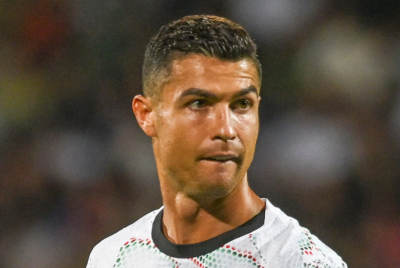
Cristiano Ronaldo will lead Portugal out at the 2026 World Cup in the United States, Mexico and Canada on Wednesday when they open against DR Congo, with the 41-year-old poised to become only the second player after Lionel Messi to appear at six World Cups.
It is a milestone that feels both inevitable and faintly awkward. Ronaldo is a Portugal icon, a five-time Ballon d'Or winner and one of the most prolific forwards the sport has seen. Yet as he prepares for another tilt at the trophy that has always eluded him, a different question is gathering volume around the team: is this version of Ronaldo still carrying Portugal, or quietly weighing them down?
The numbers are not especially kind. Since Ronaldo shifted from precocious winger to all-consuming focal point of the national side, Portugal have twice gone out in the group stage and have not gone beyond the quarter-finals in any of the other two tournaments. That failure cannot be pinned solely on him previous squads were often set up conservatively, and in 2018 he scored four times in the group phase before a Round of 16 exit to Uruguay but the pattern is hard to ignore.
Then there is the World Cup record that Ronaldo himself will be painfully aware of. Across 22 matches at the tournament, he has scored eight goals. Every one of them has come in the group stage. In the knockouts, where legends are usually made, his return is stark: no goals and a single assist, also in the groups. For a player who has built his career on decisive moments, the optics are uncomfortable.
Messi, his eternal comparator, offers an unflattering contrast. The Argentina captain, who finally settled the debate for many with the 2022 World Cup win, has six World Cup assists to Ronaldo's one. They play different roles Messi more creator, Ronaldo an out-and-out finisher but the gulf speaks to something more fundamental in their international profiles. Ronaldo has rarely been accused of passing when he could shoot, and that instinct has only hardened with age.
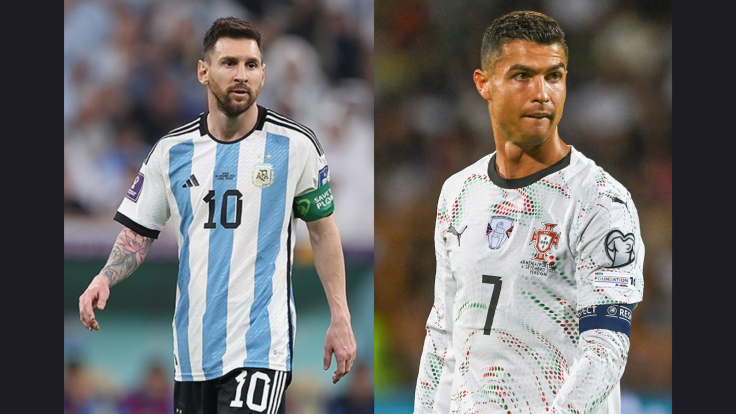
Cristiano Ronaldo and the Weight of His Own Legend
That instinct has long been visible on set pieces. For years Ronaldo stood over almost every free kick and penalty Portugal won, even as his direct free kick conversion rate slumped. He has managed only one goal from a direct free kick at a major tournament, back at the 2018 World Cup. The sight of him claiming the ball, regardless of angle or distance, became part ritual, part frustration.
In recent seasons, there has finally been some softening of that monopoly. Bruno Fernandes, now 31 and fresh from being named Premier League Player of the Season, has taken a growing share of free kicks. Statistically, he has earned that right. Last campaign he scored nine league goals and set a new record with 21 assists in 35 games, operating as an attacking midfielder and chief creative force.
Leading the way for Portugal 🇵🇹
— FIFA (@FIFAcom) June 17, 2026
Cristiano Ronaldo has made more @FIFAWorldCup appearances than any other player in his nation’s history, as he prepares for his sixth FIFA World Cup. 🏆 pic.twitter.com/fnc93X0r7L
Fernandes is expected to assume something close to a Messi-style role for Portugal, knitting together an outrageously gifted midfield that includes Bernardo Silva, Vitinha and João Neves. Several analysts have argued that makes him, not Ronaldo, the real heartbeat of this side. Whether that shift is fully reflected in set-piece duties and attacking patterns at the World Cup remains to be seen.
Behind them, Portugal's defence looks similarly secure. Ruben Días and Gonçalo Inácio form a muscular central pairing, with João Cancelo and Diogo Dalot offering width and energy from full-back. On paper at least, this is one of the most balanced and technically complete squads at the tournament.
Which brings the Ronaldo dilemma into sharper focus. If this is arguably the best all‑round Portugal team of his era, is it being quietly reshaped around a 41‑year‑old striker who no longer presses, no longer sprints away from defenders and has spent the past four seasons in the Saudi Pro League, a competition widely regarded as well below Europe's top tier? Nothing is confirmed, of course, about how that league form will translate against the world's best, so his impact still has to be taken with a grain of salt.
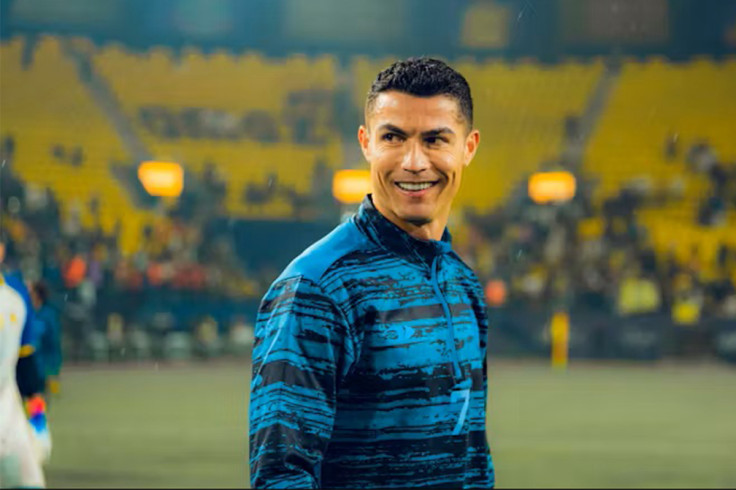
World Cup 2026 Could Define Cristiano Ronaldo's Portugal Legacy
The counter-argument is as simple as it is persuasive: there is still no obvious alternative to Ronaldo through the middle. Those who believe he should now be reduced to a 30‑minute impact role, held in reserve for tiring defences and possible penalty shootouts, struggle to point to a striker who has kicked the door down in his absence.
Gonçalo Ramos is the clearest candidate. Yet his club season for Paris Saint‑Germain was underwhelming by elite standards: 12 goals spread across 45 appearances, only 15 of them starts. It is a respectable return but a step down from his 18 goals in 40 games the previous year. That regression has blunted the most obvious case for phasing Ronaldo out of the XI.
Cristiano Ronaldo declares himself ready for World Cup! 🏆🇵🇹pic.twitter.com/fz7OVbufma
— World Cup 2026 (@WorldCupMedia) June 15, 2026
It leaves Portugal caught between sentiment, status and cold pragmatism. Ronaldo's standing as the country's greatest footballer ensures that any move to sideline him would be politically fraught in the dressing room and beyond. At the same time, there is a growing sense that the team's ceiling will be set not just by how well he plays, but by how willing he is to yield space, shots and spotlight to those around him.
The irony is that Portugal, more than at any other point in his international career, now has the tools to win a World Cup without needing Ronaldo to be the best player on the pitch. Whether he accepts that, and whether the manager enforces it, may prove more decisive than any statistic on a page.
© Copyright IBTimes 2026. All rights reserved.
- Recommended For You