Trump Forces Builders To Rip up New White House Helipad After Frantic Around-The-Clock Shifts
President Trump demands changes to the White House helipad project, citing dissatisfaction with its design and the South Lawn's slope
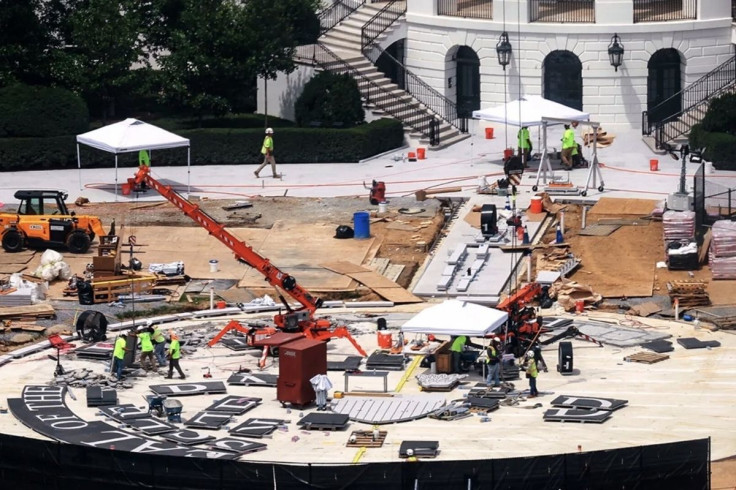
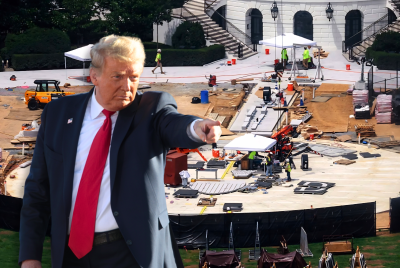
Donald Trump has ordered contractors to undo weeks of work on the new White House helipad after reportedly becoming unhappy with how the project looked and questioning whether the sloping South Lawn should be altered. The dramatic reversal comes after crews had been working around the clock to finish the landing pad ahead of a planned visit by Chinese President Xi Jinping in September.
The contractors have now dismantled part of the work, including a roughly 100-foot-wide granite presidential seal that had begun taking shape on the South Lawn. Trump reportedly wants the landing surface to appear level with the horizon, raising the possibility that workers may need to reshape part of the lawn before continuing construction.
The episode puts a remarkable spotlight on a project that was initially presented as a practical fix for a genuine aviation problem. The new VH-92A Patriot helicopters used for presidential transport can scorch the White House grass because their exhaust vents direct intense heat downward. The decision to accelerate construction, followed by Trump's demand for changes after weeks of frantic work, could add both time and expense to a project already costing more than $5 million.
Trump Orders Helipad Work Redone
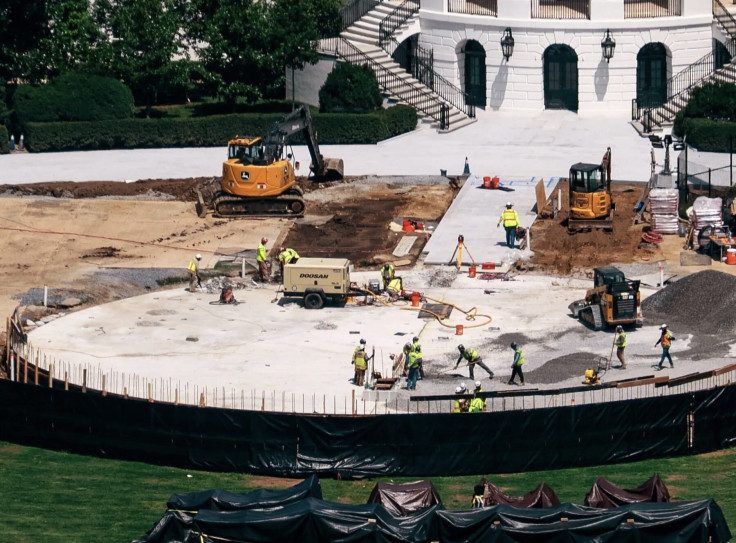
According to a person familiar with the president's thinking on the project, Trump was dissatisfied with the helipad's appearance and questioned whether the natural slope of the South Lawn was suitable for the finished layout. The same person said his order to have the helipad redesigned was geared towards practicality rather than cosmetics.
The White House lawn is not naturally flat. The White House has previously said portions of the South Lawn slope downward by about 20 degrees, though the section selected for the helipad is flatter. Even so, the terrain has become a central issue as contractors work to create the new landing area.
The timing is particularly striking. Trump had made completion of the helipad a priority after construction began in June, and contractors were pushed into round-the-clock shifts as the administration sought to accelerate the wider project ahead of Xi's expected state visit. Earlier contracting records showed the acceleration added about $875,000 to the broader project, which includes work around the South Portico and an adjacent section of driveway.
Now, some of that rushed work is being taken apart, and it remains unclear how much additional time or money the latest changes will require. Clark Construction, the contractor on the project, referred questions to the White House, while Lockheed Martin had not immediately said whether it would cover the extra costs.
JUST IN: New White House helipad dismantled for repairs after Trump reportedly objected to its “noticeable slope.” pic.twitter.com/8bUiYCTsWV
— Polymarket (@Polymarket) August 4, 2026
Why the White House Needs a New Helipad
Despite the controversy surrounding the redesign, the underlying reason for the project is more practical than cosmetic. The VH-92A Patriot, manufactured by Sikorsky, was designed to replace older presidential helicopters, and the Marine Corps received the final aircraft in its planned fleet of 23 in 2024. The programme had an estimated acquisition cost of about $4.95 billion, according to the Government Accountability Office.
The newer helicopters, however, created a problem at the White House, since their exhaust system directs heat downwards and risks burning the historic lawn during landings. Sikorsky and government officials spent years seeking a solution before the administration moved ahead with a permanent landing pad.
Trump has defended the project, saying Sikorsky's parent company, Lockheed Martin, would fund roughly $5 million of the construction. He previously said the company felt responsible because it had not fully conveyed how powerful the new helicopters would be.
The Slope Is More Than a Cosmetic Problem
Trump's desire for a visibly level landing pad also intersects with genuine aviation considerations. Federal Aviation Administration guidance says heliports should be designed with appropriate gradients rather than made perfectly horizontal, and current FAA heliport design guidance sets standards for planning and constructing helicopter landing facilities, including surface and drainage.
That distinction matters, because a small slope can help water drain from a landing surface. The challenge for White House planners is therefore to balance the terrain, drainage, helicopter safety and the president's preferred appearance. It is a similar tension to the one that has dogged other Trump-era grounds work, including the reflecting pool project, which officials have separately admitted suffered from what one description called 'hasty and botched work'.
For now, Marine One is using the Ellipse, the park south of the White House, as a temporary landing area, though the helipad near the South Portico is still intended to become the permanent solution. After weeks of round-the-clock construction, the project has reached an unexpected reset, with workers dismantling pieces that were only recently installed as Trump's White House makeover continues to reshape one of America's most recognisable landscapes.
© Copyright IBTimes 2026. All rights reserved.
- Recommended For You