

'47 Ronin' Director Turned Netflix Funds Into $27M Dogecoin Fortune, Then Bought Two $638K Mattresses
Director diverted $11m meant for a Netflix series into crypto and luxury purchases, prosecutors said

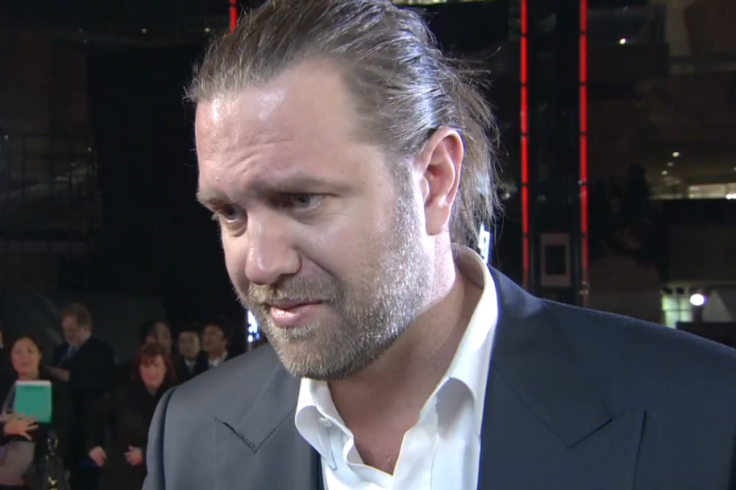
Carl Erik Rinsch, the director of '47 Ronin', has been sentenced to 30 months in federal prison after a jury found he defrauded Netflix of $11 million in production funding, then moved part of the money into Dogecoin and watched it grow to about $27 million before spending millions on luxury items, including two mattresses costing around $638,000. Prosecutors said the cash, intended to finish his Netflix science‑fiction series, was diverted into personal investments and high‑end purchases instead of production.
Netflix Money Ended Up In Dogecoin
According to the US Department of Justice, Netflix transferred an additional $11 million to Rinsch in March 2020 after he requested more funding to complete his science‑fiction series 'White Horse', later retitled 'Conquest'. The money was intended to finance production.
Instead, prosecutors said Rinsch moved the funds through several bank accounts before transferring them into a personal brokerage account. More than half was lost through high‑risk options trading.
Court records show Rinsch later transferred about $4 million of the remaining funds into Dogecoin. The investment came during the 2021 cryptocurrency rally, and prosecutors said it eventually grew to approximately $27 million before Rinsch sold his holdings.
Prosecutors said the case centred on the misuse of Netflix's production funding rather than the success of the cryptocurrency investment.
Millions Went On Luxury Purchases
After selling the Dogecoin, prosecutors said Rinsch spent millions of dollars on personal purchases unrelated to the series. Court filings list five Rolls‑Royces, a Ferrari, luxury watches, designer clothing, furniture and antiques, hotel stays, legal fees connected to litigation against Netflix and his divorce, and approximately $638,000 spent on two mattresses.
According to the Department of Justice, the purchases formed part of the scheme to convert production funds into personal assets instead of completing the television series.
Netflix Never Received The Series
Netflix had already committed between roughly $44 million and $55 million to develop the project before providing the additional funding. Despite years of development, no completed episodes were delivered. According to prosecutors, Rinsch repeatedly told Netflix additional financing was needed while concealing how earlier payments had been spent.
A federal jury in the Southern District of New York convicted him in December 2025 on seven counts, including wire fraud, money laundering and engaging in unlawful monetary transactions.
Judge Opted For A Shorter Prison Term
On 29 June, US District Judge Jed S. Rakoff sentenced Rinsch to 30 months in prison, followed by three years of supervised release. The court also ordered him to forfeit $11 million, pay restitution to Netflix and pay $700 in mandatory special assessments.
'Carl Erik Rinsch orchestrated a scheme to steal millions by seeking $11 million from a subscription streaming service, falsely claiming that money would be used to finance a television show that he was creating,' US Attorney Jay Clayton said after the sentencing. 'Instead of using the money to make the show, Rinsch made risky bets on highly speculative stock options and cryptocurrency, and spent millions of dollars on luxury goods for himself. Today's sentence sends a deterrent message: fraud will not be tolerated.'
Federal prosecutors had sought a five‑year prison sentence. Judge Rakoff imposed a shorter sentence after considering evidence relating to Rinsch's mental health, along with character references submitted on his behalf, including one from actor Keanu Reeves.
© Copyright IBTimes 2026. All rights reserved.