

Khamenei's Funeral Draws Millions as Iran Faces Questions Over Leadership, Security and Its Post-War Future
Iran's leadership confronts economic, security, and diplomatic challenges following Khamenei's funeral.
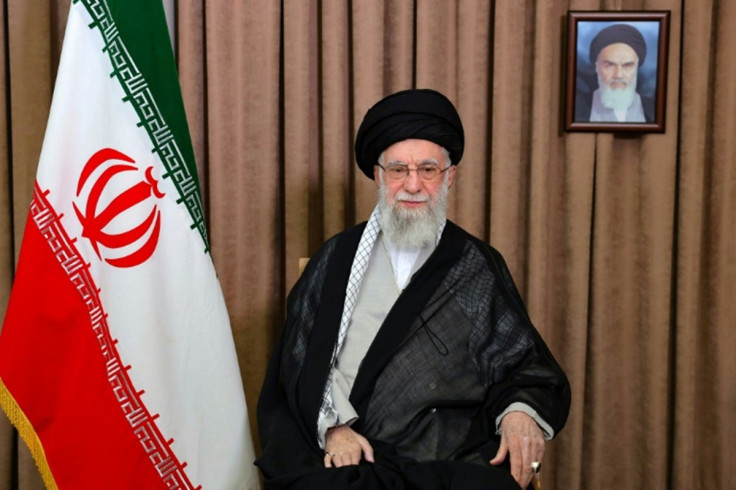
Millions of mourners gathered across Iran this week for the funeral of Supreme Leader Ali Khamenei, marking a pivotal moment for the Islamic Republic as it confronts a changing political and security landscape. The ceremonies drew senior officials, military commanders, and foreign dignitaries, while Iranian authorities described the turnout as a demonstration of national unity following weeks of regional conflict and uncertainty.
The events have prompted reflection not only on Khamenei's legacy, but also on the challenges awaiting Iran's leadership. With economic pressures, security concerns, and diplomatic challenges mounting, the country now faces a defining period, one that will shape its path in the years ahead.
A Show of Unity During a Period of Uncertainty
Large crowds filled the streets of Tehran and other cities as mourners paid tribute to Khamenei, who played a central role in shaping Iran's domestic and foreign policies for decades. State media highlighted the scale of the gatherings, while government officials emphasised themes of resilience, continuity, and national solidarity.
The funeral comes after a period of heightened tensions involving Iran, Israel, and the United States, events that raised concerns about broader instability across the Middle East. Iranian leaders used the ceremonies to reinforce messages of national strength and continuity, portraying the country as capable of navigating difficult regional challenges.
For Tehran, the funeral was not only an occasion to honour a longtime leader but also an opportunity to project stability at a time when the country faces growing scrutiny both at home and abroad.
Leadership Faces Defining Test
Beyond the public mourning, the funeral has intensified discussion about Iran's future leadership and policy direction.
President Masoud Pezeshkian, Foreign Minister Abbas Araghchi, and Parliament Speaker Mohammad Bagher Ghalibaf are expected to play influential roles as Iran navigates its next chapter. Their decisions on economic management, foreign policy, and security issues will likely shape the country's trajectory during a period of significant uncertainty.
The challenge is considerable. Iran continues to face economic pressures linked to inflation and sanctions while also managing regional tensions and diplomatic relationships. Leaders must balance domestic expectations with national security priorities, a task made more difficult by ongoing geopolitical competition in the region.
Security and Diplomacy Remain Closely Linked
Recent military confrontations have reinforced the importance of security considerations in Tehran's decision-making.
Iranian officials have repeatedly stated that protecting national interests remains a priority while continuing diplomatic engagement where possible. Araghchi has emphasised Iran's willingness to pursue diplomacy but has also warned that the country will defend itself against external threats.
The government must now navigate a delicate balance between deterrence and dialogue. Escalation could increase regional instability, while successful diplomatic efforts may help reduce tensions and create opportunities for economic improvement.
The Road Ahead
The funeral marks the end of a national period of mourning but the beginning of a new phase for Iran.
Leaders in Tehran now face the challenge of maintaining public confidence, managing economic concerns, and responding to a rapidly evolving security environment. Decisions made in the coming months on diplomacy, regional strategy, and domestic policy will help determine Iran's future direction.
For many observers, the central question is no longer how Iran will remember Khamenei, but how its leaders will navigate the political, economic, and security challenges that define the post-war era.
© Copyright IBTimes 2026. All rights reserved.