Iran Hangs Two 'Armed Protest Leaders' Linked To Deadline January 2026 Unrest, Renewing Fears Of Crackdown
Iran executed two men linked to January 2026 protests, sparking fears of further crackdowns.

Iran has executed two men, Javad Zamani and Abolfazl Saedi, it described as 'armed leaders' of the January 2026 unrest, leaving fears of a new crackdown among protesters.
The unrest that began in early 2026 led to clashes between authorities and demonstrators in several parts of Iran. Iranian officials have repeatedly said some individuals involved in the unrest were armed and posed security threats, while critics have questioned the government's treatment of protesters and the use of severe criminal charges against those detained.
Death Over January 2026 Protest Allegations
According to Reuters, the two men were convicted of several offences, including Moharebeh, a term in Iran's legal system that refers to 'waging war against God,' as well as corruption on earth, damage to public and private property, and crimes against national security.
It described Zamani and Saedi as 'armed leaders of early 2026 unrest' but did not provide further details about their alleged activities, the evidence presented during their trials, or when the convictions were issued.
The executions took place in Shahrud, a city in Iran's Semnan province, although Iranian authorities have not released further public information about the proceedings.
The use of capital punishment in cases connected to protests has previously drawn international attention. Human rights groups have criticised Iran's handling of demonstrations, arguing that defendants in politically sensitive cases may face unfair trials. Iranian officials, however, have maintained that those convicted of violent crimes and attacks on public security are being prosecuted under the country's laws.
Why Were Iranians Protesting?
The January 2026 protests in Iran began after a sharp collapse in the country's currency and growing anger over worsening economic conditions, including inflation, falling purchasing power, and years of economic pressure. The demonstrations quickly expanded into massive anti-government protests, with some participants demanding political change and criticising the Islamic Republic's leadership.
Iranian authorities have described some protesters as armed groups or security threats, while rights organisations have said the government's response involved a severe crackdown, including arrests and the use of force against demonstrators.
Because of restrictions on information and internet access during the unrest, the full scale of casualties and detentions remains disputed.
The government, in response, has pursued harsh punishments for people it accuses of violent acts during protests.
Iran's Crackdown Continues
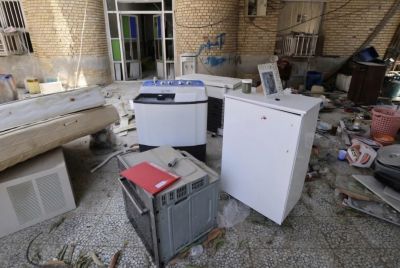
The January 2026 protests became a major challenge for Iranian authorities, with scenes of damaged property and clashes reported during the unrest.
Iran's judiciary has continued to pursue cases linked to the unrest, with officials separating those they describe as peaceful demonstrators from individuals accused of armed activity or violence.
But there's a distinction that remains central to the government's justification for harsh sentences. Iranian authorities argue that armed groups used periods of public unrest to attack state institutions and create insecurity. Opponents of the government have often argued that such accusations can be used to justify severe punishments against dissenters.
Fears of Crackdown After Deadly Protests
Currently, there is no single independently verified total covering all executions in Iran this year. The numbers vary because Iranian authorities do not publish a complete public record, and rights groups rely on monitoring and reports from inside the country.
Dome reports have claimed hundreds of executions occurred in the first months of the year, but those figures include people convicted of other crimes, such as drug-related offences, and should not be confused with protest-related executions.
What can be confirmed is that executions linked specifically to the 2025–2026 protest movement have already occurred. In March 2026, Iran executed three men: Saleh Mohammadi, Saeed Davodi, and Mehdi Ghasemi after authorities said they were involved in killings during protests. Rights groups disputed the fairness of those proceedings and raised concerns about alleged coerced confessions.
For international critics, however, executions carried out after convictions for alleged violent acts are intended to silence political opposition, fearing that the death penalty is being used to discourage future protests
© Copyright IBTimes 2026. All rights reserved.
- Recommended For You